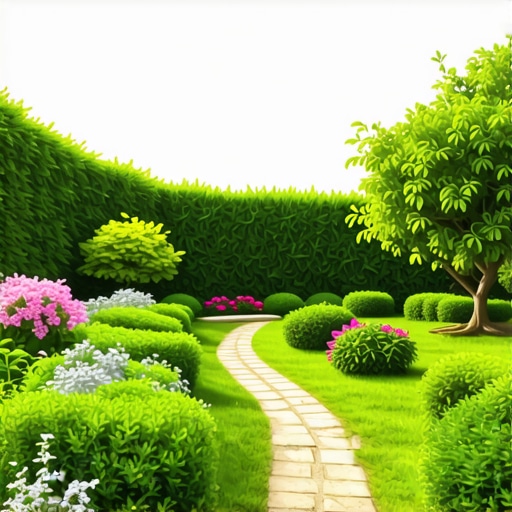
I vividly recall the first time I tried to overhaul my yard. It was late spring, and I had this grand vision of a lush, vibrant garden that would make neighbors stop and admire. But after hours of work, I faced a patchy lawn, weeds taking over, and a sense of overwhelm that almost made me give up. That lightbulb moment taught me a crucial lesson: without the right strategy, even the most enthusiastic efforts can fall flat. If you’ve ever started a yard project only to feel lost soon after, you’re not alone.
Nailing the Perfect Garden Makeover in 2025 Starts Here
Today, I want to share the expert landscaping tips that transformed my yard—and can do the same for your space. Whether you’re dreaming of a pristine lawn, a beautiful flower bed, or a low-maintenance paradise, understanding the core principles of effective landscaping can save you time, money, and frustration. From selecting the right soil to installing smart irrigation systems, these insights are based on proven methods and personal experience. Ready to turn your yard into an oasis? Let’s dive into the essentials that will make your 2025 garden truly spectacular.
Is Investing in Landscaping Actually Worth the Effort
One common hesitation I hear is whether the time and money spent are justified. I remember making a costly mistake early on—skipping proper soil testing—and regretting it later when plants failed to thrive. Learning from that, I now prioritize foundational steps, like soil improvement and efficient irrigation, which dramatically boost success rates. According to recent studies, a well-designed landscape can increase property value by up to 15%, and the benefits extend beyond aesthetics—improving air quality and providing food sources, too. For detailed strategies on how to achieve this, I recommend exploring top sod and irrigation tips for 2025. With the right planning, your garden can become a thriving, beautiful space without the usual stress.
Start with Clean-Up to Lay the Groundwork
Before installing new sod or planting, clear your yard thoroughly. Remove debris, overgrown weeds, and dead plants, and level uneven patches. I once spent an entire weekend with a rake and wheelbarrow, transforming a chaotic mess into a manageable space. This step ensures your lawn has a solid foundation and reduces future weed intrusion. For expert guidance, check the top yard cleanup strategies for 2025.
Sharpen Your Focus on Soil Preparation
Healthy grass starts with healthy soil. Test your dirt to determine pH and nutrient levels, then amend as needed—adding compost, lime, or other soil conditioners. Think of it as preparing a nutritious bed for your plants to grow strong. I once skipped this step and ended up with patchy grass. Now, I always invest in proper soil prep; it pays off in a vibrant, dense lawn. For detailed soil improvement techniques, visit top sod and landscaping tips for 2025.
Install Sod Like a Pro
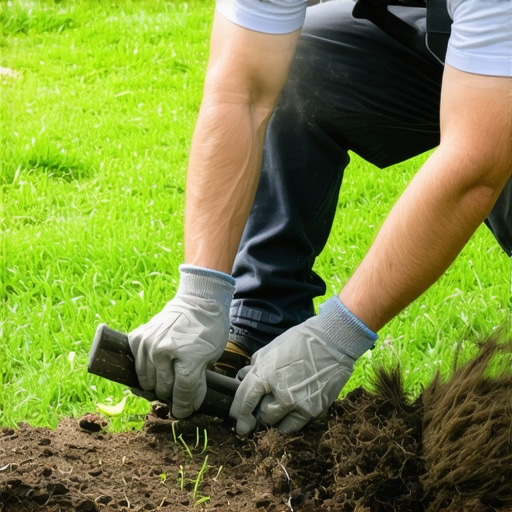
Choose high-quality sod suited to your climate and lay it in a brick-like pattern to prevent seams from aligning. Wet the soil thoroughly beforehand, much like preparing a canvas for painting—moisture helps the roots establish quickly. I recall unrolling freshly cut sod in the early morning, racing against the sun, but ensuring each piece was tightly pressed to avoid gaps. Use a sharp knife to trim edges and fill in any irregular spots. For expert advice, look into top sod installation and irrigation tips.
Master Watering with Precision and Strategy
Proper irrigation is vital for sod survival and growth. Think of watering as giving your lawn a drip of life—too much, and roots drown; too little, and they wither. Set your sprinkler to run early morning for uniform coverage, avoiding runoff during peak heat. I once used a hose for hours, ending with an uneven patch; switching to an automated system made a world of difference. A smart irrigation setup can save water and provide consistent moisture, much like a steady rain. Learn more about professional irrigation practices for lush lawns.
Many homeowners believe that tackling sod installation or yard cleanup is straightforward, but in my experience, misconceptions abound that can sabotage your efforts. For instance, a widespread myth is that watering immediately after laying sod guarantees quick root establishment. In reality, overwatering can lead to root rot and disease. Experts recommend waiting until the sod begins to show slight signs of rooting before watering deeply, which is a nuanced approach often overlooked. For in-depth strategies, check out our guide on professional sod and irrigation tips.
Another common mistake in yard cleanup is underestimating the importance of soil testing before renovation. Many skip this step, only to find that poor pH levels or nutrient deficiencies cause plants to struggle later. Advanced landscapers understand that proper soil amendments are the foundation of a thriving yard—yet this nuance trips up many amateurs. To avoid costly failures, consider expert tips detailed in yard cleanup strategies.
In landscaping, a prevalent trap involves planting without considering mature plant sizes, which leads to overcrowding and maintenance nightmares down the line. Spotting this requires an eye for detail and experience, as wrong placement can undo years of aesthetic planning. Specialists often emphasize the value of planning for growth, which is a nuance often missed by beginners. For smarter planting, explore landscaping expert advice.
When it comes to irrigation, many think that bigger, more powerful sprinklers cover the yard faster, but this can cause runoff and uneven watering. The advanced mistake is to neglect the benefits of precision irrigation setups, which deliver water efficiently and promote deep root growth. This nuance can be the difference between a lush lawn and an overwatered muddy patch. For expert guidance, visit our article on best irrigation practices.
Have you ever fallen into this trap? Let me know in the comments. Understanding these subtle but critical distinctions can dramatically improve your landscaping results and save you money. Remember, mastery in yard projects isn’t just about hard work—it’s about working smart and paying attention to the details that matter most.
Invest in Proven Equipment for Long-Term Results
When maintaining a lush lawn and vibrant landscape, having the right tools is as vital as the initial design. I personally swear by a high-quality cordless electric hedge trimmer because it offers quiet operation, reduces fatigue, and ensures precision cuts—key for encouraging healthy growth and preventing pests. Similarly, a durable soil moisture meter helps me monitor watering needs accurately, avoiding over- or underwatering which can compromise sod health. For irrigation, I installed a smart controller system that adapts watering schedules based on weather forecasts, saving water and keeping roots consistently moist. These tools represent a smart investment that pays off with a thriving yard.
Embrace Proper Maintenance for Year-Round Beauty
Consistent upkeep is critical to sustaining the beauty of your landscape. Regular pruning prevents disease and maintains plant vigor, while scheduled aeration improves soil compaction and promotes root development. I recommend setting up a seasonal maintenance plan, which includes soil testing—done annually—to identify nutrient deficiencies early. Additionally, preventive pest and disease treatments shield your plants from avoidable damage. For detailed guidance, check the professional yard cleanup strategies. Staying proactive ensures your yard remains resilient and easy to care for over time.
Planning for Future Growth and Scaling Up
Thinking ahead about how your landscape will evolve is essential, especially if you’re planning to expand or add new features. A modular irrigation system that can be scaled or reprogrammed saves headaches later and minimizes disruption. Using vertical gardening or container plantings allows flexible expansion without soil disturbance. To facilitate ongoing maintenance, invest in durable mulch layers that conserve moisture and suppress weeds—making future yardwork more manageable. With the right tools and consistent care, you’ll build a landscape that adapts gracefully to your lifestyle and future ambitions.
How Do I Maintain My Yard Over Time?
Developing a sustainable maintenance routine involves combining the right equipment with savvy scheduling. For example, integrating a weather-based irrigation controller, like the ones discussed here, can optimize watering times and prevent common mistakes such as overwatering. Regular inspections and timely problem-solving, including spot aeration or soil amendments, keep your landscape healthy and thriving. Remember to document your garden’s progress and adapt methods as seasons change, making maintenance less daunting and more effective. Consulting industry standards, such as those outlined in the Irrigation Association’s technical resources, can improve your approach significantly.
Three Lessons I Wish I Knew When Overhauling My Yard
One of my most eye-opening realizations was how overlooked soil testing truly is—skipping this step almost guaranteed unsuccessful efforts and frustration. Now, I see the importance of understanding my soil’s pH and nutrient profile, which has transformed my planting success. Additionally, I underestimated the nuances of proper watering—believing that longer durations meant better results. Learning to water deeply but infrequently has significantly improved my lawn’s health. Lastly, I used to think big equipment was the key—until I discovered that precision tools and techniques can make a dramatic difference, saving time and effort. These lessons have made my yard thrive, and I believe they can do the same for yours.
Tools and Resources That Made a Difference in My Landscaping Journey
For soil testing, I trust the soil testing kits from SoilPro, which provide accurate insights crucial for amendments. When it comes to irrigation, the smart sprinkler controllers I installed have saved water and ensured consistent moisture, simplifying maintenance. I also rely on the professional yard cleanup guides to keep my space tidy and healthy. Finally, the book ‘Mastering Landscape Design’ has given me foundational principles that elevate my entire yard design. These tools and resources are the backbone of my successful landscaping efforts.
Take Action and Cultivate Your Dream Outdoor Space
Your yard has the potential to become a sanctuary that reflects your personality and effort. Embrace the process with confidence, knowing that expert tips and the right tools are within your reach. Whether you’re starting with a simple clean-up or planning a full sod installation, each step is an investment in your happiness and property value. Remember, the most beautiful gardens are those built with patience, knowledge, and care. Now is the perfect time to begin transforming your outdoor space—your future lush yard awaits. What’s holding you back from creating the yard you’ve always wanted? Share your thoughts below, and let’s grow together.
Reading this post really resonated with me, especially the emphasis on soil testing before starting any major yard work. I used to jump straight into planting without testing my soil, and I often faced disappointing results. Since I started testing and amending my soil appropriately, my lawn and flower beds have seen a huge improvement. I think many homeowners overlook this simple step that can save so much time and effort in the long run. For those considering landscaping projects, what has been your biggest hurdle so far? Do you have any tips on making soil testing more accessible or affordable? I believe that small steps like proper soil prep can make a significant difference, and I’d love to hear other experiences on this.