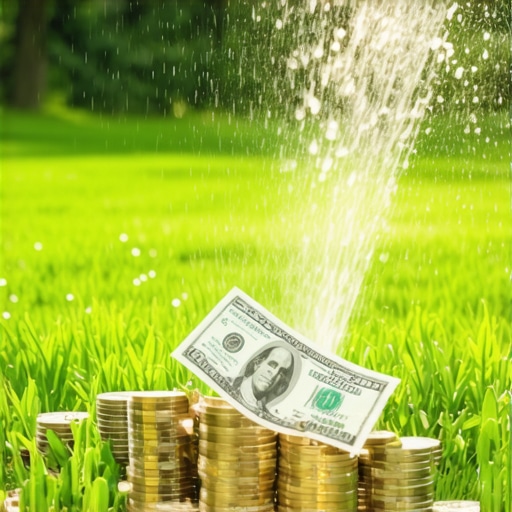
Ever stayed up late watering your lawn, only to find your water bill skyrocketing despite what feels like a reasonable schedule? I remember the moment I realized my sprinkler system might be costing me more than it should. It wasn’t a dramatic leak or a broken pipe—just tiny inefficiencies sneaking in, quietly draining my wallet. That lightbulb moment made me question every droplet, every dollar spent on lawn care.
The Hidden Drain on Your Wallet
More homeowners are discovering that old, poorly maintained irrigation systems can be silent cash leaks. A study from the Environmental Protection Agency revealed that overwatering can waste up to 50% of water used in landscaping, translating into hefty bills and environmental waste. If you’ve been wondering whether your sprinkler is costing more than it should, you’re not alone. But here’s the thing: many of these issues are fixable, and with a few practical steps, you can save hundreds annually.
Are These Fixes Really Worth the Hype?
Guarding against sprinkler leaks can seem overwhelming at first glance—so many DIY tips and expensive upgrades promising quick fixes. I made a mistake early on by assuming that replacing parts blindly would solve my problem. Turns out, some fixes are simpler than you think. In the upcoming sections, I’ll share four tested strategies that have helped me cut down water waste and lower my bills—strategies you can try too, whether you’re a weekend warrior or a lifelong landscaper.
assess your current sprinkler setup for leaks and inefficiencies
Start by inspecting each zone of your sprinkler system. Turn on your system and observe to identify puddling, dry spots, or uneven watering. Use soil moisture meters to check if areas are over- or under-watered. During my own inspection, I noticed a leaking head that was flooding one patch of my lawn; fixing it instantly reduced water waste and prevented potential turf damage. For detailed techniques, visit https://urbanlandscapingx.com/expert-sod-install-irrigation-strategies-for-a-lush-lawn-in-2025-3.
calibrate your watering schedule to match plant and soil needs
Adjust your system’s run times based on local weather conditions, soil type, and plant requirements. I use a rain gauge and weather apps to adapt my schedule daily, avoiding unnecessary watering during rainstorms or cool spells. Initially, I overwatered my yard thinking more is better; this caused runoff and deeper drought stress. To prevent this, I reduced run times and split watering into shorter, more frequent cycles, which my grass appreciated. Learn more about watering best practices at https://urbanlandscapingx.com/effective-irrigation-system-design-for-a-lush-lawn-in-2025-2.
implement zone-specific watering to enhance efficiency
Divide your yard into zones based on plant type, sun exposure, and soil conditions. For example, my shady garden needs less water than my sunny front lawn. I created separate zones and programmed my controller accordingly, which saved water and promoted healthier roots. Consider using drip irrigation for flower beds and trees, preventing waste from overspray. For optimizing your system’s design, consult https://urbanlandscapingx.com/effective-irrigation-system-design-for-a-lush-lawn-in-2025-2.
upgrade to smart controllers and sensors for real-time adjustments
Invest in weather-based controllers and soil moisture sensors that automatically adjust watering times. I installed a smart controller last spring; it reduced my water usage by 30% and kept my lawn green during dry spells. These devices can be calibrated for your yard’s specific needs, offering convenience and savings. Initially, I hesitated due to cost, but the ROI made it worthwhile. For options and installation tips, visit https://urbanlandscapingx.com/5-smart-irrigation-upgrades-to-cut-water-costs-in-2026.
perform regular maintenance to keep your system in top shape
Periodically check for clogged nozzles, broken pipes, or misaligned heads. I set a bi-monthly maintenance routine, which involved flushing filters and replacing damaged parts. During one session, I discovered a cracked pipe; repairing it prevented water loss and potential flooding. Clean and replace filters annually to maintain optimal operation. To learn detailed maintenance procedures, see https://urbanlandscapingx.com/ultimate-sod-install-irrigation-tips-for-a-lush-2025-lawn-2.
monitor your water bills and yard health continuously
Keep track of your water consumption and observe your yard’s appearance. Sudden increases in usage may signal leaks or inefficiencies. I review my bills monthly and perform quick inspections after storms. When I noticed an uptick, I re-inspected my system and found a misfiring zone. Regular monitoring ensures you catch and fix issues early, preventing waste and promoting a healthy, vibrant yard. For ongoing tips, explore https://urbanlandscapingx.com/expert-sod-installation-irrigation-strategies-for-a-lush-2025-lawn.Many homeowners assume that choosing premium sod or fancy landscaping tools guarantees a lush, healthy yard, but in my experience, there’s more beneath the surface. A frequent misconception is that big investments automatically lead to better results. However, the real secret lies in understanding the nuances, such as soil preparation and proper irrigation scheduling, which many overlook. For instance, I once installed the top-rated sod without testing my soil, only to see poor root development; correcting soil pH and nutrient levels made all the difference. Another myth is that more watering produces faster growth, but overwatering can cause root rot and increase water bills—an issue I faced firsthand. In fact, a study from the University of California emphasizes that precise watering based on soil moisture sensors improves plant health more than frequent, time-based watering routines. This highlights the importance of advanced techniques like zone-specific watering and integrating smart controllers that adjust in real time, which can save up to 30% on water usage. It’s crucial to recognize that many common practices are traps that hinder your yard’s potential. Regular maintenance, such as checking for clogged nozzles or uneven sprinkler coverage, can prevent long-term damage and waste. Also, keep in mind the importance of proper yard cleanup; neglecting debris and overgrown weeds can hamper new sod root establishment and attract pests. For expert tips that elevate your sod installation and landscaping strategies, visit our cornerstone guide on effective irrigation and soil prep. Have you ever fallen into this trap? Let me know in the comments.
Tools I Recommend for Yard Maintenance
Keeping your landscaping equipment in top shape is essential for ongoing success. I swear by a high-quality cordless electric trimmer like the Ego Power+ ST1502-S, which offers powerful trimming without the hassle of cords or heavy gas engines. Its lightweight design reduces fatigue during prolonged use, and its brushless motor ensures longevity—saving me money on replacements.
For lawn aeration, I use a deWit Hoe, a durable hand tool that allows precise and efficient soil aeration. It’s perfect for targeting specific compacted spots without disturbing the entire yard, making maintenance more manageable.
When it comes to water management, I rely on a smart controller like the Rachio 3, which I’ve calibrated meticulously to match my yard’s specific needs. This device automatically adjusts watering based on weather forecasts, significantly reducing water waste and preventing overwatering issues highlighted in this article.
How do I Maintain These Tools Over Time?
Regular cleaning and blade sharpening are crucial. After each use, I wipe down my trimmer and apply a light coat of oil to prevent rusting. I sharpen blades with a file annually—this keeps cuts clean and saves power. For electronic devices like my smart controller, software updates are essential to access new features and security patches. Staying proactive with maintenance ensures your tools function effectively, extending their lifespan and keeping your yard looking impeccable.
Looking ahead, I predict the trend toward integrated smart landscaping systems will become even more prevalent. These tech advancements will enable us to automate and optimize yard care seamlessly, making maintenance simpler and more efficient. To stay ahead, invest in quality tools now and develop a routine for their upkeep.
One tip I highly recommend is scheduling monthly checks on your irrigation system—inspect for leaks, clogged nozzles, and controller settings. Implementing this small habit can prevent costly repairs and water waste, ensuring your system runs smoothly year-round. For comprehensive guidance on this, visit this resource.
The Hardest Lesson I Learned About Sod Installation and Irrigation
I once believed that investing in premium sod and high-end tools would guarantee a picture-perfect yard. However, I quickly discovered that without understanding soil health and precise irrigation, my efforts fell flat. The biggest revelation was that proper soil preparation and targeted watering are the real game changers—saving money and effort while achieving vibrant greenery.
Tools and Resources That Elevated My Yard Journey
My go-to toolkit includes a soil pH tester to ensure my soil is just right for sod. I trust the cornerstone guide on sod and irrigation strategies because it offers detailed, practical advice rooted in real-world experience. Additionally, I rely on a soil moisture sensor, which has helped me avoid overwatering, a common mistake that wastes water and damages grass.
Why Failing to Prioritize Yard Care Could Hold You Back
My biggest mistake early on was neglecting regular inspections of my irrigation system. I only noticed issues when my lawn started turning brown—or after noticing unexpectedly high water bills. Regular monitoring and maintenance not only prevent costly repairs but also ensure your yard stays healthy. This proactive approach has been crucial in my journey toward a thriving lawn.
Remember, achieving a lush yard isn’t just about the initial setup. Continuous learning, regular maintenance, and smart investments in tools can make all the difference. For more expert insights, I recommend exploring comprehensive landscaping tips that address both aesthetics and functionality.
Ready to Transform Your Yard and Feel the Difference?
Taking these lessons to heart can help you build a yard that’s not only beautiful but sustainable and cost-effective. Don’t hesitate—start implementing these strategies today and watch your outdoor space flourish. Your lush, vibrant lawn is closer than you think!
Are there particular challenges you’ve faced with sod installation or irrigation? Share your experiences below—I’d love to hear what’s worked for you!