
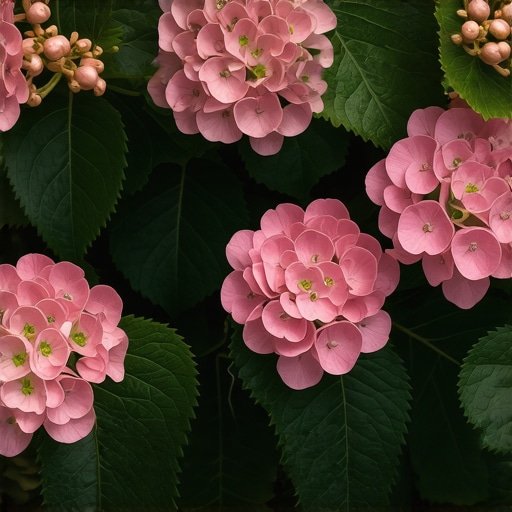
Why Pruning Panicle Hydrangeas is a Physics Problem
Pruning panicle hydrangeas (Hydrangea paniculata) for maximum head size requires a surgical approach to new wood growth, where aggressive late-winter cuts stimulate the plant to channel its nitrogen and carbohydrates into fewer, more robust primary stems capable of supporting heavy floral structures. If you fail to manage the auxin distribution through proper heading cuts, the plant produces a weak canopy of spindly twigs that cannot withstand the weight of 12 inch panicles after a rainstorm.
I always drill into my new crew members: if you don’t fix the soil grading first, every plant you put in the ground is just expensive compost. This applies to pruning too. You cannot expect a plant to push massive 2026 blooms if the root flare is buried under three inches of mulch or if the irrigation system is only wetting the top inch of soil. I have seen guys spend thousands on high-end nursery stock only to watch the stems flop and snap because they treated the plant like a hedge rather than a structural specimen. We are building a frame here, much like a contractor frames a house. If the joists are weak, the roof fails. In the world of H. paniculata, the ‘roof’ is a massive cone of sterile sepals, and the ‘joists’ are the lignified stems we develop through strategic pruning.
“A pruning cut is a wound that dictates the hormonal future of the shrub; heading back to a strong bud directs the plant’s energy toward vigorous vegetative growth rather than reproductive stagnation.” – Agricultural Extension Agronomy Manual
The Biology of Stem Diameter vs Flower Mass
To achieve those massive heads you see in professional landscaping portfolios, you must understand the relationship between stem thickness and flower size. A panicle hydrangea operates on a simple energy budget. If the root system supports 100 stems, the flower heads will be small. If you prune it down to 20 primary stems, the root system redirects that same energy, resulting in massive, heavy panicles. However, this comes with a risk. Thin stems will bend to the ground. We aim for stems with a diameter of at least 1/2 inch at the base. This is achieved by cutting the plant back to 12 to 18 inches from the ground in late winter. This hard prune forces the plant to push straight, thick shoots that can reach 4 to 6 feet in a single season. Don’t be timid. You are not hurting the plant; you are optimizing its hydraulic pressure.
How much should I cut back my panicle hydrangeas?
To maximize flower size, you should cut your panicle hydrangeas back to within two or three buds from the base of the previous season’s growth, typically leaving the plant at a height of 12 to 24 inches from the ground. This hard pruning strategy ensures the plant develops the structural integrity required to hold massive, 15 inch flower heads without snapping or drooping.
| Hard Prune (2-3 nodes) | High (Thick stems) | 12-16 inches | Moderate |
| Moderate Prune (1/3 height) | Medium | 8-10 inches | Low |
| Light Prune (Deadheading) | Low (Spindly) | 4-6 inches | Minimal |
[IMAGE]
Soil Preparation and Nitrogen Loading
Success for the 2026 season starts with the soil profile. We often see homeowners requesting a sod install and then ignoring the soil pH for their ornamental beds. Panicle hydrangeas prefer a slightly acidic to neutral pH (6.0 to 7.0). If your soil is heavy clay, the hydrostatic pressure around the root ball will cause root rot, especially during the spring thaw. You need to ensure the soil is well-drained. When we do a yard cleanup, we don’t just blow leaves; we inspect the root flares. A buried root flare is a death sentence. It suffocates the cambium layer. For the 2026 bloom cycle, apply a slow-release fertilizer with a higher phosphorus count (like a 10-30-10 ratio) in early spring to encourage bud set, but avoid high nitrogen after July, as this will result in soft wood that won’t survive the winter freeze-thaw cycles.
When is the best time to prune hydrangeas for big flowers?
The optimal window for pruning panicle hydrangeas is late winter or early spring, specifically before the sap begins to flow and new leaves emerge, as this timing allows the plant to heal its wounds quickly and allocate 100 percent of its stored carbohydrates into new, flower-bearing growth. Pruning too late in the spring will delay the bloom time and may result in smaller panicles due to the energy already spent on early foliage.
“Hydrangea paniculata is the only hydrangea species that can be reliably pruned into a tree form because of its ability to produce significant lignified secondary growth on new wood.” – International Society of Arboriculture (ISA) Standards
Irrigation Requirements for Structural Integrity
Water is the hydraulic fluid that keeps those massive heads upright. A 12 inch flower head acts like a sail in the wind and a sponge in the rain. If the plant is dehydrated, the turgor pressure in the stem cells drops, and the stem kinks. Once a stem kinks, the vascular tissue is damaged, and the flower will never stand upright again. Your irrigation schedule must be deep and infrequent. We recommend 1 inch of water per week, delivered via drip irrigation at the base. Overhead watering is a rookie mistake; it weighs down the blossoms and encourages Cercospora leaf spot. If you are doing a yard cleanup, check your emitters. Ensure they aren’t clogged with mulch or soil. A consistent moisture profile is the difference between a prize-winning shrub and a floppy mess.
2026 Pruning Checklist
- Sterilize all bypass pruners with 70 percent isopropyl alcohol to prevent the spread of bacterial wilt.
- Identify the ‘main scaffold’ of the plant; these are the thickest, oldest stems.
- Cut back the previous year’s growth to two nodes (buds).
- Remove any ‘crossover’ branches that are rubbing together; these create entry points for pests.
- Discard all clippings far from the plant to prevent overwintering fungal spores.
- Check the 811 markings before doing any deep root fertilizing or soil aeration nearby.
Precision matters. A jagged cut with dull shears will lead to dieback. You want a clean, 45 degree angle cut roughly 1/4 inch above the node. If you cut too close, you kill the bud. If you leave a long stub, it will rot. This is a task for calloused hands and a sharp eye. Don’t be the contractor who leaves a ‘mow-and-blow’ hack job. Be the engineer of your landscape. The massive heads of 2026 are earned in the cold of 2025.