
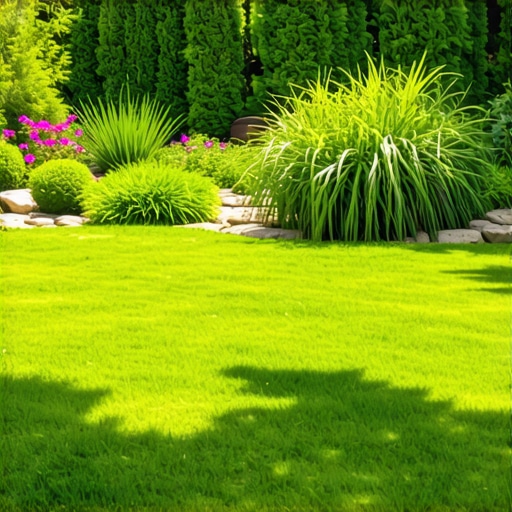
The Physics of the South-Facing Slope
Designing a landscape for a south-facing sloped yard is a challenge in civil engineering and plant physiology rather than just aesthetics. A south-facing slope receives the maximum possible solar radiation in the northern hemisphere, creating a microclimate where evapotranspiration rates are significantly higher than level ground. To manage this, you must prioritize erosion control, hydrostatic pressure management, and drought-tolerant plant selection to ensure long-term stability and survival.
“Slope stabilization is not merely a matter of vegetation coverage but the mechanical reinforcement provided by root tensile strength and the reduction of pore water pressure.” – Natural Resources Conservation Service (NRCS)
I always drill into my new crew members: if you don’t fix the soil grading first, every plant you put in the ground is just expensive compost. I remember a job in ’08 where a homeowner spent five figures on specimen trees on a 30-degree incline without checking the silt content or the compaction of the sub-base. Two heavy rainstorms later, those trees were sitting in the street gutter. You cannot fight gravity with a credit card. You fight it with physics and biology. Before you even think about landscaping, you have to look at how water moves. On a south-facing hill, the sun bakes the earth until it becomes hydrophobic, meaning when the rain finally hits, it sheets off the surface instead of soaking in. This leads to massive topsoil loss. [IMAGE_PLACEHOLDER]
Site Preparation: Beyond the Yard Cleanup
Effective yard cleanup for a sloped project involves more than just removing weeds; it requires a forensic analysis of the existing soil structure and slope stability. You need to clear the site of invasive species and debris to reveal the true grade of the land, identifying any areas where hydrostatic pressure might cause future failures. Do not just scrape the surface. You need to understand the soil texture—is it heavy clay, sandy loam, or rocky fill? This dictates your irrigation strategy and plant list. If you are dealing with a grade steeper than 3:1, you are looking at mechanical stabilization or terracing. Anything less can usually be managed with sod install or deep-rooted perennials. Call 811 before you dig. It is the law, and hitting a gas line on a slope is a recipe for a disaster you won’t walk away from. Most DIYers skip the soil test. Don’t. You need to know your pH levels and cation exchange capacity. If your soil is dead, your plants will be too.
How do I stop soil erosion on a sunny slope?
To stop soil erosion on a sunny slope, you must implement a multi-tiered approach using geotextiles, organic mulch, and deep-rooted groundcovers. Utilizing creeping shrubs and native grasses creates a biological mat that anchors the soil while reducing the velocity of surface water runoff during heavy rain events.
| Plant Category | Common Species | Root Type | Drought Tolerance |
|---|---|---|---|
| Evergreen Shrub | Creeping Juniper | Fibrous/Spreading | Very High |
| Ornamental Grass | Little Bluestem | Deep Tap/Fibrous | High |
| Perennial Groundcover | Stonecrop (Sedum) | Shallow/Succulent | Extremely High |
| Hardy Herb | Russian Sage | Woody/Deep | High |
The Infrastructure of Irrigation on Inclines
Traditional spray heads are useless on a slope. The water hits the top, runs down the hill, and puddles at the bottom while the middle of the slope remains bone dry. For a south-facing exposure, drip irrigation is the only professional choice. You need pressure-compensating emitters to ensure every plant receives the same amount of water regardless of its elevation on the hill. We use 1/2-inch poly tubing buried under 3 inches of double-shredded hardwood mulch. This prevents evaporation and keeps the lines from degrading under UV exposure. When we do a sod install on a slope, we use sod staples—six-inch U-shaped metal pins—every 12 inches to keep the blankets from sliding until the roots knit into the native soil. It usually takes 21 days for the rhizomes to take hold. If you skip the staples, you’re just laying a green carpet that will end up in the neighbor’s yard.
“South-facing exposures can experience soil temperatures 10-15 degrees higher than north-facing counterparts, drastically increasing the vapor pressure deficit and plant stress.” – Colorado State University Extension
What are the best low maintenance plants for a hill in full sun?
The best low maintenance plants for a sunny hill include Creeping Juniper, Russian Sage, Blanket Flower, and Blue Grama Grass. These species are selected for their heat-summation tolerance and ability to thrive in well-draining soil without constant supplemental watering once their root systems are established.
The Plant List: Engineering with Biology
Selection is about more than color. You need plants that can handle the UV index of a south-facing wall. Creeping Juniper (Juniperus horizontalis) is the workhorse of slope stabilization. It stays low, spreads wide, and its roots are like rebar for the dirt. For vertical interest, Little Bluestem (Schizachyrium scoparium) is unbeatable. Its roots can reach depths of 5 to 8 feet, pulling moisture from deep within the earth where the sun can’t reach. If you want flowers, look at Walker’s Low Catmint or Coneflowers. These aren’t just pretty; they are tough. They have a thick waxy cuticle on their leaves to prevent moisture loss. Do not plant Hydrangeas or Azaleas here. They will scorch in forty-eight hours. You need xeriscape logic. Every plant should be placed in a “well”—a slight depression on the uphill side to catch water. This is basic horticulture, but I see professionals miss it every single day. If the root flare is buried too deep, the trunk will rot. If it’s too high, it will dry out. Precision matters.
- Step 1: Clear all weeds and perform a 10-point soil analysis.
- Step 2: Install 12-inch deep terraces or boulders to break the slope’s momentum.
- Step 3: Layout the drip irrigation grid with 0.9 GPH emitters.
- Step 4: Plant according to the 1:2:3 rule: 1 gallon perennials, 2 gallon shrubs, 3 gallon trees.
- Step 5: Apply 3 inches of mulch; avoid “mulch volcanoes” around stems.
- Step 6: Monitor soil moisture daily for the first two weeks of the establishment phase.
Maintaining the Grade
A south-facing slope is a living system. It requires an annual yard cleanup to remove dead biomass that can become a fire hazard in dry climates. Check your irrigation lines for leaks every spring. A small leak on a slope can lead to a landslide or a massive soil blowout. The goal is deep, infrequent watering. You want to force those roots to go down. If you water for five minutes every day, the roots stay on the surface and the plants will die the first time the temperature hits 95 degrees. I tell my clients: water for an hour, once or twice a week. Make those roots work for it. That is how you build a landscape that lasts twenty years instead of two. Don’t be the homeowner who buys a cheap bag of turf seed and expects it to hold a 20-degree grade. It won’t happen. Invest in the right landscaping prep, the right sod install techniques, and the right plants. Gravity never sleeps. You shouldn’t either when it comes to your yard’s structural integrity.