
The Anatomy of a Failed Sod Install
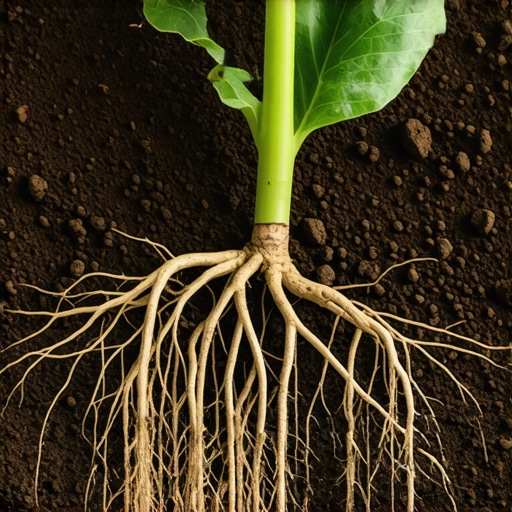
Sod rooting failure in 2026 stems from poor soil-to-root contact, often caused by compacted subgrade, improper soil pH, or an interface layer of organic debris. Without direct contact, the rhizosphere cannot establish hydraulic connectivity, leading to localized desiccation and eventual turf death. It happens every spring. I always drill into my new crew members: if you don’t fix the soil grading first, every plant you put in the ground is just expensive compost. I have seen guys throw $10,000 worth of premium Fescue or Kentucky Bluegrass over soil that was as hard as a parking lot, only to wonder why it turned into brown straw within fourteen days. You cannot cheat the biology of the root system. If there is air between the root and the dirt, that root will dry out and die. It is that simple. I have fired laborers for skipping the roller or for leaving clumps of old thatch under the new rolls. The soil must be a smooth, pulverized bed of life, not a graveyard of old weeds and packed clay. If you can’t push a screwdriver six inches into your dirt with one hand, your sod doesn’t stand a chance. Root hairs are microscopic and fragile; they cannot punch through 300 PSI of compacted clay. They need pore space, oxygen, and moisture. When you skip the prep, you are essentially asking your grass to grow on a brick.
“The physical properties of the soil, specifically texture, structure, and pore space, are more critical for immediate root establishment than the chemical properties in the first ninety-six hours.” – Agronomy Field Manual 14th Edition
The Hidden Physics of Soil-to-Root Contact
Soil-to-root contact is the physical meeting of the sod’s root zone and the amended topsoil, which facilitates the capillary movement of water and nutrient uptake. If an air pocket exists, the roots experience air-pruning, stopping the downward growth required for a permanent turfgrass system. When we talk about soil contact, we are talking about eliminating the macro-pores that trap air. Air is the enemy of a new root. We use a water-filled roller to press the sod down into the dirt, but that only works if the dirt is actually loose enough to accept the pressure. I see homeowners walking on their new sod, thinking their footprints are helping. They aren’t. You need uniform pressure across the entire surface area. We are aiming for a bulk density that allows for oxygen diffusion while maintaining enough structure to hold water. If the soil is too loose, it will settle and create low spots that collect water and rot the crown. If it’s too hard, the roots will just grow sideways, creating a thatch-heavy lawn that will peel up like a rug during the first summer heatwave.
How long does sod take to root?
Under optimal conditions with a soil temperature between 55 and 75 degrees Fahrenheit, you should see white primary roots emerging within five to seven days. By day fourteen, you should not be able to lift the sod rolls without significant resistance, indicating that secondary root branching has begun into the native subgrade.
| Prep Phase | DIY Method | Professional Grade |
|---|---|---|
| Soil Depth | 0.5 inches (surface scratch) | 4-6 inches (pulverized) |
| pH Testing | None (Visual Guess) | Lab-verified (6.0 – 7.0 target) |
| Compaction | Foot pressure only | 200-300 lb water roller |
| Cleanup | Raking visible debris | Mechanical dethatching/removal |
Yard Cleanup: More Than Just Raking Leaves
Professional yard cleanup involves the removal of organic debris, thatch accumulation, and weed biomass to prevent an anaerobic barrier from forming under the new sod. Failure to clear the organic layer results in fermentation, which releases carbon dioxide and heat, effectively cooking the new root hairs from the bottom up. Most people think they can just mow the old grass short and slap the new sod on top. That is a death sentence. That old grass will rot. As it rots, it uses up the oxygen that the new roots need. I have walked onto job sites where the ground smelled like a swamp because a contractor didn’t scrape the old lawn off properly. We use a sod cutter to take off the top two inches of old vegetation and soil. We want clean, mineral soil. If you leave a layer of dead leaves or grass clippings, you create a hydrophobic barrier. Water won’t pass through it. The new sod will feel wet on top, but the roots will be bone dry. Use a power rake. Use a skid steer with a Harley rake. Get it down to the bare earth. No shortcuts.
Why is my new sod turning yellow in patches?
Patchy yellowing is usually a sign of localized dry spots caused by air pockets or hydrophobic soil where the sod roll is not touching the ground. If you can lift the yellow sod easily, the issue is mechanical contact; if the soil is wet but the sod is dying, it is likely anaerobic root rot. [image_placeholder_1]
The Critical Nutrient Logic of 2026
Nutrient availability for new sod requires a starter fertilizer with a high phosphorus ratio to stimulate ATP production and meristematic growth within the root tips. Without a base layer of slow-release nitrogen and potassium, the turfgrass will suffer from nutrient leaching during the heavy irrigation cycles required for establishment. Don’t go buying the cheapest bag at the big-box store. Those are usually high in fast-release nitrogen that just forces top growth. We don’t want green blades yet; we want white roots. If the grass spends all its energy growing 3 inches of height in the first week, it’s not putting anything into the ground. I prefer a 10-20-10 or a 12-24-14 ratio. You also have to check your pH. If your soil is a 5.0, your grass can’t even