
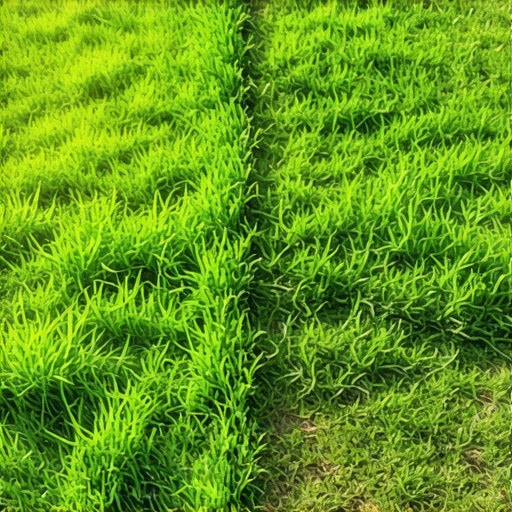
The Forensic Autopsy of a Scalped Lawn
Mowing grass shorter than 3 inches causes rapid root decline, soil moisture evaporation, and weed encroachment by exposing the turf crown to thermal stress and reducing the plants photosynthetic capacity. When you scalp a lawn, you are essentially performing a slow-motion execution of the turf system. Most homeowners see a flat, green surface, but I see a biological engine that has been starved of its fuel. I recently walked a site where the homeowner had set their mower deck to 1.5 inches to ‘save time’ on mowing frequency. The result was a necrotic, patchy mess that was being overtaken by crabgrass. The soil was bone dry despite a high-end irrigation system running daily. This is the reality of low-cut turf: you are fighting a losing battle against physics and biology. Stop it.
The Chemical Nightmare: A Case Study in Turf Failure
A homeowner called me in a panic last August after they completely torched their front lawn by applying a heavy dose of 46-0-0 Urea fertilizer and then immediately mowing it down to 2 inches. It was a horticultural crime scene. The combination of high nitrogen—which forces rapid top growth—and the sudden removal of the leaf blade caused a massive salt burn and physiological shock. The grass could not photosynthesize enough to process the nitrogen, and the exposed soil temperature spiked to 105 degrees Fahrenheit. We had to perform an emergency yard cleanup, stripping the dead organic matter and preparing for a full sod install just to stabilize the grading. The lesson is simple: biology doesn’t care about your weekend schedule. If you stress the plant chemically and then physically mutilate it, it will die. [IMAGE_PLACEHOLDER]
The Biological Mandate of the Three-Inch Rule
The relationship between the height of the grass and the depth of its roots is a direct, linear correlation known as the root-to-shoot ratio. When you maintain a lawn at 3.5 to 4 inches, the plant has enough surface area to produce the carbohydrates required to push roots deep into the soil profile. Shallow roots mean a fragile lawn. Deep roots mean survival.
“Mowing height is the most important cultural practice affecting turfgrass health and competition against weeds.” – Penn State Center for Turfgrass Science
Every time you cut the grass too short, the plant diverts all its energy from root development to leaf repair. The roots actually begin to die back to compensate for the lost leaf tissue. In a month, you have a lawn with a one-inch root system that can’t survive even a minor drought. You are now dependent on expensive irrigation and constant chemical inputs to keep it green. It is a cycle of dependency created by a mower blade.
Does mowing short cause weeds?
Yes, mowing short is the primary cause of weed germination because it allows sunlight to reach the soil surface. Most weed seeds, particularly crabgrass and dandelions, require direct light to trigger germination. A dense, 3-inch canopy creates a natural shade barrier that keeps the soil cool and dark. By keeping your grass tall, you are utilizing a biological herbicide that costs zero dollars.
What happens if I cut my grass too short once?
Cutting the grass too short once, known as scalping, shocks the plant and can cause it to enter a dormant state or die if the crown is damaged. The crown is the growing point of the grass, located just above the soil line. If you hit the crown with a mower blade, that individual plant is finished. It will not grow back. You will be left with a bare spot that nature will immediately fill with weeds.
Soil Temperature and Evapotranspiration
Soil temperature regulation is the most overlooked aspect of landscaping. A lawn cut at 4 inches can keep the soil surface up to 20 degrees cooler than a lawn cut at 2 inches. This is crucial for the microbial life in the soil. Beneficial fungi and bacteria that fix nitrogen and break down thatch thrive in cool, moist environments. When you scalp the lawn, you bake the soil, killing the microbiology and turning your yard into a sterile, compacted dirt lot. This compaction leads to poor drainage and hydrostatic issues that can eventually affect your hardscaping. If the soil can’t absorb water, it runs off, often towards your foundation or under your patio. Proper turf height is the first line of defense for your entire property’s drainage. Use the following table to understand the requirements of common turf types.
| Grass Variety | Minimum Cut Height | Ideal Cut Height | Root Depth Potential |
|---|---|---|---|
| Tall Fescue | 3.0 inches | 4.0 inches | 10-14 inches |
| Kentucky Bluegrass | 2.5 inches | 3.5 inches | 5-8 inches |
| Perennial Ryegrass | 2.5 inches | 3.0 inches | 4-6 inches |
| St. Augustine | 3.5 inches | 4.0 inches | 6-10 inches |
The Engineering of a Clean Cut
It isn’t just about the height; it’s about the quality of the wound. A mower blade is a surgical instrument. If your blades are dull, you aren’t cutting the grass; you are shredding it. Shredded leaf tips turn brown and create a massive surface area for moisture loss and fungal infection. I tell my crew that if the mower blade doesn’t look like it could shave a beard, it isn’t ready for the job.
“A clean, sharp cut reduces the energy required for the plant to heal, preserving carbohydrates for root and rhizome development.” – Agronomy Manual 101
You should also never remove more than one-third of the leaf blade in a single mowing. If your grass has gotten out of control, do not hack it down to 3 inches in one day. Take it down in stages over a week. This prevents the physiological shock that leads to turf thinning.
The Professional Maintenance Checklist
- Check Blade Sharpness: Sharpen blades every 10-12 hours of mowing time. No exceptions.
- Adjust Deck Height: Measure from the ground to the blade, not just the lever on the mower.
- Mow When Dry: Wet grass clumps and creates a mat that smothers the turf underneath.
- Leave the Clippings: Grass clippings are free nitrogen. If you mow at 3 inches, the clippings are small enough to decompose quickly.
- Change Direction: Never mow in the same pattern twice in a row to prevent soil compaction and turf leaning.
Infrastructure and Irrigation Alignment
Your irrigation system needs to be calibrated for deep, infrequent watering. If you are mowing at 3 inches, you should be aiming for 1 inch of water per week, delivered in one or two heavy sessions. This forces the roots to chase the water deep into the soil. Daily, light watering keeps the roots at the surface, where they will fry the moment the sun gets hot. If you are doing a new sod install, make sure the grading is perfect before the first piece of turf hits the ground. High spots will get scalped by the mower, and low spots will collect water and rot the roots. It is all connected. The height of your grass is the simplest, most effective tool you have for a high-performance landscape. Don’t waste it by trying to be ‘tidy.’ Let it grow.