
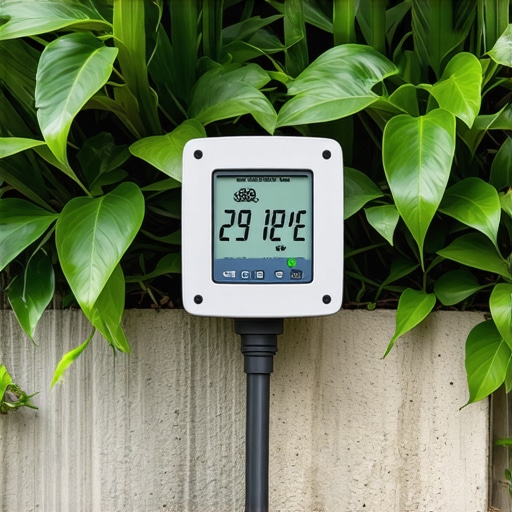
The Technical Autopsy of 2026 Irrigation Controller Failures
The smell of scorched silicon is unmistakable to anyone who has spent two decades in the dirt. When a homeowner calls me out because their lawn is turning the color of a cardboard box despite a $5,000 irrigation investment, I don’t look at the grass first; I look at the controller. In 2026, we are seeing a massive wave of hardware resets in ‘smart’ irrigation timers that are effectively lobotomizing high-end systems. This is not a software glitch. It is a failure of electrical engineering and a lack of preventative maintenance.
The Hidden Physics of Controller Reset
Irrigation controller data loss in 2026 is primarily caused by capacitor degradation, CMOS battery expiration, and voltage spikes within the solenoid circuit. These hardware failures result in the system reverting to factory defaults, which often terminates scheduled yard cleanup irrigation and critical sod install watering cycles. It is a systemic failure of the system’s brain. If the internal backup power source fails, the volatile memory clears the moment a local grid fluctuation occurs.
I recently got called out to a property in a high-clay region where a $30,000 hardscape and sod project was literally baking in the sun. The client was furious. They had programmed the timer, but every Tuesday at 3:00 AM, the unit wiped itself. I opened the panel and found that a previous ‘mow-and-blow’ contractor had nicked the common wire during a sloppy yard cleanup. That nick was creating a high-resistance ground fault. Every time the zone 4 solenoid tried to engage, the amperage draw was so inconsistent that the logic board’s voltage regulator collapsed, triggering a hard reset. This wasn’t a bad timer; it was a bad installation and a lack of circuit testing. I had to rip out 40 feet of wire and install a new surge-protected hub. The lesson is simple: if you don’t understand the electrical load, you don’t understand irrigation.
“A retaining wall doesn’t fail because of the stone; it fails because of the water trapped behind it.” – Hardscape Engineering Axiom
The Engineering of Irrigation Failure
Most homeowners assume a ‘smart’ timer is a set-it-and-forget-it appliance. It is not. Most controllers manufactured between 2016 and 2020 utilized lithium coin-cell batteries (CR2032) or supercapacitors to hold the CMOS memory. These components have a finite lifespan of roughly 7 to 10 years. We are now hitting the ‘cliff’ where these components are failing en masse. When that battery dies, the timer has no way to store its watering schedule during a power blip. This is particularly catastrophic during a sod install, where missing even two days of water will result in root desiccation and the total loss of the turf. You are looking at a $10,000 mistake because of a $3 battery.
How much power does a sprinkler solenoid pull?
A standard 24VAC solenoid typically pulls about 0.20 to 0.40 amps (5 to 10 watts) while running. However, the ‘inrush’ current required to snap the valve open is often double that. If your wiring is corroded or too thin (18-gauge vs. 14-gauge), the voltage drop can cause the controller to brown out and reset its memory registers. We see this often in older landscaping setups where the original installer took shortcuts on wire quality.
Can a dying backup battery erase my watering schedule?
Yes, a dead backup battery is the leading cause of memory loss in non-volatile memory systems. While newer ‘cloud’ based units store data on a server, many ‘local’ smart units still rely on internal power to keep the clock and local settings active during a power surge. Once the battery reaches 2.6V or lower, it can no longer support the chip’s memory, leading to a total data wipe. Check your battery every spring.
The Horticultural Impact of Data Loss
When your timer clears its data, it usually defaults to ‘Off’ or a factory ‘Test’ mode. For a lawn in a heavy clay soil environment, this is a death sentence. Clay holds water, but once it dries out and reaches its ‘permanent wilting point,’ it becomes hydrophobic. It will actually repel water. You can’t just turn the timer back on and expect the grass to recover. You have to use a surfactant (wetting agent) to break the surface tension of the soil. This is why irrigation reliability is the foundation of any landscaping project. Without water, your plants are just expensive mulch.
“Effective irrigation management requires an understanding of the soil-water-plant relationship, specifically the soil’s water-holding capacity and the plant’s evapotranspiration (ET) rate.” – Penn State Agricultural Extension
We use the following table to help clients understand the risk levels associated with different controller technologies and their failure points in the current 2026 climate.
| Controller Type | Primary Failure Mode | Data Retention Method | Recommended Service Life |
|---|---|---|---|
| Traditional Analog | Mechanical Gear Stripping | None (Manual Dials) | 15+ Years |
| First-Gen Digital | Capacitor Leakage/Battery Death | CMOS Battery | 7-10 Years |
| Smart Wi-Fi (No Battery) | Firmware Corruption/Server Lag | Cloud Storage | 5-8 Years |
| Professional Grade (ICPI Spec) | Solenoid Short Circuit | Non-Volatile Flash | 12+ Years |
The Irrigation Audit: A 5-Step Protocol
Don’t wait for your sod install to turn brown before checking your system. Follow this professional-grade checklist every season to ensure your timer doesn’t dump its data when you need it most. Skip any of these, and you are gambling with your yard’s survival.
- Check Resistance: Use a multimeter to check the Ohms on every zone. Anything under 20 or over 60 Ohms indicates a failing solenoid or a short in the wire.
- Replace the Backup: If your unit has a coin-cell battery, replace it every 24 months regardless of whether the unit says it is ‘Good.’
- Inspect the Transformer: Look for signs of heat or bulging in the power brick. A failing transformer sends ‘dirty’ power that fries logic boards.
- Clear the Debris: Ensure the controller box is free of ant nests or moisture. These cause micro-shorts across the PCB traces.
- Stress Test: Trigger a manual cycle for all zones and watch the display for flickering. Flickering is the first sign of a dying capacitor.
Professional Remediation and Long-Term Stability
If your timer has already cleared its data twice this year, stop reprogramming it. The board is compromised. In my firm, we no longer install the cheap ‘big box’ store controllers. They are designed for a 5-year cycle, which is unacceptable for a serious landscaping investment. We moved to units with non-volatile memory and built-in surge protection that can withstand the 2026 grid volatility. Furthermore, if you are doing a sod install, you need a system that supports a ‘soak and cycle’ feature. This prevents runoff on sloped areas and ensures water reaches the root zone without creating anaerobic soil conditions. It is not just about water; it is about the rate of infiltration. If the water runs down the gutter, you are just wasting money. Keep your wires dry and your firmware updated. It is easier to maintain a system than it is to resurrect a dead lawn.