
The Biological Imperative of Spring Soil Amendment
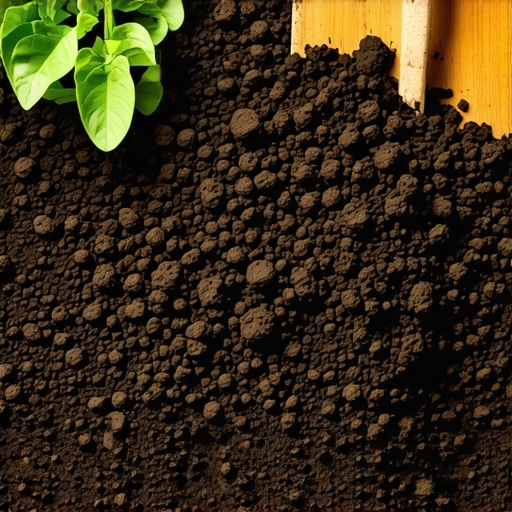
Spring garden bed preparation requires more than just aesthetics; it is a critical intervention to replenish the soil organic matter (SOM) that microbial life consumed over the winter. By applying 2 to 3 inches of high-quality compost, you reset the Cation Exchange Capacity (CEC) and ensure your landscape plants have the structural support needed for root expansion during the peak growing season.
I always drill into my new crew members: if you don’t fix the soil grading and the organic structure first, every plant you put in the ground is just expensive compost. I have seen countless ‘pro’ installers slap down a sod install directly over compacted red clay without any tilling or amendment. The result is always the same. Within two seasons, the root system fails, the irrigation cannot penetrate the hardpan, and the homeowner is out thousands of dollars. Soil is a living engine. If you do not feed it carbon, the engine seizes. My fingernails have been stained dark for twenty years because I know that a landscape is only as resilient as its microscopic foundation.
The Engineering of Soil Structure and Aggregate Stability
Topdressing with compost is not just about nutrients; it is about soil bulk density and pore space. In heavy clay environments, the soil particles are so fine they pack together, cutting off oxygen to the rhizosphere. Compost introduces larger organic particles that act as wedges, creating macro-pores. This is essential for yard cleanup because it allows the soil to breathe after winter compaction. Without this pore space, your irrigation water simply runs off the surface rather than infiltrating the root zone. You are paying for water that never reaches the plant.
“Organic matter improves soil structure by promoting the formation of soil aggregates. These aggregates are essential for maintaining the balance between water-holding capacity and aeration.” – Penn State Extension Soil Science Manual
We measure success in the field by aggregate stability. When you grab a handful of well-composted soil, it should crumble into distinct granules, not smear like modeling clay. This structure is held together by glomalin, a glue-like substance produced by mycorrhizal fungi. These fungi do not thrive in sterile, chemical-heavy dirt. They need the complex carbon chains found in finished compost to colonize the root systems of your perennials and shrubs. Don’t skip the biology.
How much compost do I need for a 100 square foot garden bed?
To calculate the volume of compost needed, multiply the square footage by the desired depth in feet. For a 100 square foot garden bed, a 2-inch layer requires approximately 0.62 cubic yards of material (100 * 0.166). Always round up to the nearest half-yard to account for settling and compaction during the landscaping process.
The Chemical Reality: Cation Exchange and Nutrient Buffering
Compost acts as a biological battery. Most soil nutrients, like potassium, calcium, and magnesium, carry a positive charge. Soil organic matter is negatively charged. This allows the compost to ‘hold’ onto nutrients, preventing them from leaching away during heavy spring rains. This is known as the Cation Exchange Capacity. If you are just throwing 10-10-10 fertilizer on bare dirt, you are wasting money. Most of those chemicals wash into the storm drains. Compost keeps the food where the plants can actually eat it.
| Compost Type | C:N Ratio | Best Use Case | Microbial Density |
|---|---|---|---|
| Mushroom Compost | ~12:1 | Vegetable beds / High-feeders | Moderate |
| Yard Waste Compost | ~20:1 | General landscaping / Mulching | High |
| Vermicompost | ~15:1 | Sensitive perennials / Seedlings | Extremely High |
| Composted Manure | ~18:1 | Heavy clay remediation | Moderate |
Notice the Carbon-to-Nitrogen (C:N) ratio. The magic number for soil microbes is 24:1. If your amendment is too high in carbon (like raw wood chips), the microbes will actually steal nitrogen from your plants to break down the wood. This is why ‘free’ mulch can often turn your plants yellow. We use finished compost because the microbes have already done the heavy lifting, leaving a stable, nutrient-dense humus ready for immediate plant uptake. It is about the science of decay.
What is the best type of compost for spring landscaping?
The best compost for spring landscaping is a well-aged, thermophilic yard-waste or leaf-mold compost. It should have a dark, earthy smell and no visible large sticks or undecomposed matter. Avoid ‘hot’ manures that haven’t been cured, as the high ammonia content will scorch tender spring roots and disrupt your sod install if used as a base layer.
The Operational Process for Spring Bed Prep
Do not just throw compost over weeds. A professional yard cleanup involves a systematic approach to ensure the amendment actually reaches the soil-plant interface. We follow a strict protocol to prevent the ‘mulch volcano’ effect that rots tree trunks and suffocates shrubs.
- Mechanical Weeding: Remove all invasive species by the root. Do not rely on glyphosate.
- Edging: Cut a 3-inch deep spade edge to create a physical barrier for turf grass.
- De-compaction: Use a broadfork to crack the soil surface without flipping the layers.
- Application: Spread the compost evenly, keeping it 2 inches away from plant stems and root flares.
- Hydration: Run your irrigation system immediately after application to settle the microbes.
“A retaining wall doesn’t fail because of the stone; it fails because of the water trapped behind it. Similarly, a garden doesn’t fail because of the plant; it fails because of the air and water ratio in the soil.” – Hardscape Engineering Axiom
If your soil feels spongy or stays wet for days after a rain, you have a drainage crisis. Compost helps, but it cannot fix a 1% grade sloping toward your foundation. In those cases, we integrate French drains or catch basins before the first bag of compost hits the ground. Engineering comes before horticulture. Always. It is the only way to ensure the longevity of the install. One inch of water per week is the standard, but it must be applied deeply and infrequently to force roots to chase the moisture downward into the cool earth.
Check your irrigation heads. Most systems are set to ‘spray and pray’ for 10 minutes every day. That is the fastest way to grow fungus and shallow roots. You want 45 minutes to an hour, twice a week, depending on your soil’s percolation rate. Let the compost soak it up and hold it like a sponge. That is how you survive a July drought. It will rot if the water sits, but it will thrive if the soil can drain. Stop listening to the big-box store guys. Biology does not come in a plastic bottle. It comes from the cycle of organic return. Build the soil, and the plants will take care of themselves.
Comments are closed.