
The Anatomy of a $30,000 Hardscape Failure
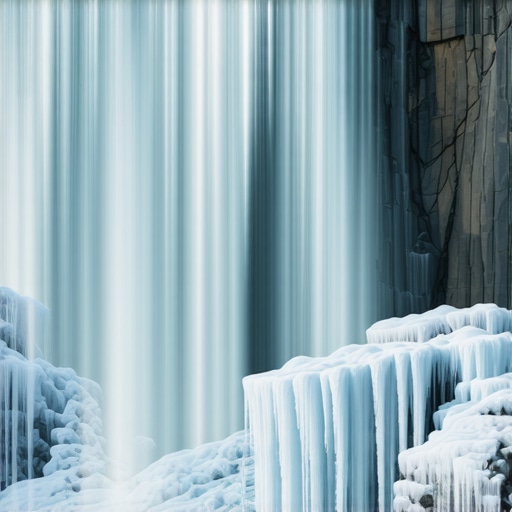
I recently got called out to tear up a $30,000 patio and waterfall assembly that was literally sinking into a slurry of mud in the middle of January. The homeowner, following some bad advice from a forum, thought they could run their pump through a sub-zero cold snap to create a frozen ice sculpture. By day three, the water had frozen over the spillway, created a massive ice bridge, and began diverting 3,000 gallons per hour directly behind the EPDM liner. This saturated the modified gravel base, triggered massive hydrostatic pressure, and blew out the retaining wall. It was a total structural collapse. This is why understanding the mechanics of water movement in freezing temperatures is not optional for any serious property owner. Ice dam floods occur when flowing water freezes into a barrier, forcing liquid water to escape the intended waterfall liner and saturate the surrounding landscaping soil and foundation. Proper yard cleanup and system shutdown are the only ways to prevent this catastrophic failure.
“A retaining wall doesn’t fail because of the stone; it fails because of the water trapped behind it.” – Hardscape Engineering Axiom
The Physics of Ice Damming in Water Features
To prevent ice dam floods, you must understand that water expands by approximately 9 percent when it freezes. In a pondless waterfall or a standard basin, this expansion happens in every direction. If your pump is running, the splash zone accumulates thin layers of ice. Over 48 hours of consistent freezing, these layers build up into a dam. This is called ice bridging. Once the ice bridge reaches the height of your waterfall’s edge, the path of least resistance is no longer down the stream bed. The water will find the smallest gap in your rock work and flow behind the liner. This liquid water then hits the sub-base, which is usually a compacted 21A or 57 stone. While these materials are designed for drainage, they cannot handle a constant deluge of thousands of gallons. The base becomes localized quicksand. The stones shift. Your $15,000 stonework begins to lean. Don’t let this happen.
How much modified gravel do I need for a patio base?
For a standard patio or waterfall base, you generally need 6 to 8 inches of compacted modified gravel (21A or QB) to ensure structural integrity. This equates to roughly 1 ton of gravel for every 50 square feet at a 4-inch depth, but for water features, you must increase this to account for the weight of the boulders and potential water saturation. Proper compaction is the only thing standing between a stable feature and a collapsed mess.
The Critical 2026 Winterization Checklist
Managing a landscape in 2026 requires more than just blowing out the lines. You need a forensic approach to irrigation and water management. The following steps must be completed before the first hard freeze, typically when the ground temperature at a 4-inch depth hits 40 degrees Fahrenheit.
- Pump Extraction: Pull the pump from the skimmer or vault. Do not just turn it off. Store it in a bucket of water in a frost-free garage to keep the seals from drying out.
- Line Evacuation: Use a high-volume air compressor to clear the plumbing lines. Residual water in a PVC pipe will crack the manifold.
- Biological Filter Cleanup: Remove all filter mats and lava rocks. If left in the bio-falls, the organic matter will rot and create a toxic anaerobic environment for the spring.
- Auto-fill Disconnection: This is the most common point of failure. If the irrigation line feeding your auto-fill freezes and bursts, you won’t know it until your basement floods.
| Feature Component | Winter Action Required | Risk Level if Ignored |
|---|---|---|
| Check Valve | Drain and Remove | High (Cracking) |
| EPDM Liner | Inspect for Wicking | Medium (Soil Erosion) |
| Skimmer Basket | Clean and Dry | Low (Debris buildup) |
| Submersible Pump | Store in Water Bucket | Critical (Seal Failure) |
Integrating Sod Installation with Winter Drainage
If you just finished a sod install, winterizing your waterfall becomes even more critical. New sod has a shallow root system. It cannot handle the sheer volume of water produced by an ice dam breach. Excessive water in the winter will lead to crown rot in Kentucky Bluegrass or Fescue blends. When we perform a yard cleanup, we ensure the grade slopes away from the new sod at a minimum of 2 percent. This ensures that any snowmelt or accidental water diversion moves toward the municipal drainage or a French drain rather than pooling on your expensive new turf.
“Soil compaction levels exceeding 95 percent Standard Proctor density are required to prevent frost heave in structural backfill.” – ICPI Technical Manual
Can I leave my waterfall running all winter?
While some contractors say you can, I advise against it in climates where temperatures stay below freezing for more than 48 hours. The risk of ice damming is simply too high. If you insist on the aesthetic of a frozen waterfall, you must install a bypass system that allows the water to return to the basin without traveling over the exterior rock work. This requires professional engineering and a heavy-duty heat cable installation along the primary spillway. Even then, the energy cost is significant. For 99 percent of homeowners, a full shutdown is the only pragmatic choice.
The Long-Term Impact of Hydrostatic Pressure
When water escapes a waterfall liner during a freeze, it creates hydrostatic pressure. This is the pressure exerted by a fluid at equilibrium at a given point within the fluid, due to the force of gravity. In a landscape context, this pressure pushes against your retaining walls and patio foundations. In 2026, we are seeing more volatile freeze-thaw cycles. This means the water behind your wall freezes, expands, thaws, and then settles. Each cycle pushes the wall out by fractions of an inch. Over a single winter, an ice dam can ruin the alignment of a perfectly installed hardscape. This is why landscaping is about more than just plants; it is about managing the movement of energy and moisture through the soil profile.
The Final Word on 2026 Protection
Do not wait for the first snow. By then, the ground is already starting to lock up. A professional yard cleanup should include a full audit of your water feature and irrigation system. Check your 45-mil EPDM liner for any signs of capillary wicking, where plants or debris pull water over the edge of the liner. Trim back any perennials that have flopped into the stream bed. If you see signs of settling in your stones, address them now. It is much cheaper to reset a boulder in November than it is to rebuild a collapsed grotto in April. Stay disciplined with your maintenance. Your wallet will thank you.