The Bio-Mechanical Physics of 2026 Yard Cleanups
Effective 2026 yard cleanups require precision nutrient recycling and organic matter management to maintain soil health without the labor-intensive practice of bagging. By integrating mulch-mowing, leaf-to-soil incorporation, and sheet mulching, you improve the cation exchange capacity and prevent the structural degradation of your lawn’s root zone.
I always drill into my new crew members: if you don’t fix the soil grading first, every plant you put in the ground is just expensive compost. I’ve seen guys spend three days installing high-end sod and premium nursery stock only to have it rot because they ignored a two-degree slope error. The same applies to yard cleanup. If you’re just blowing leaves into a pile, you’re a mover, not a landscaper. Real landscaping is about managing the biology of the site. When we talk about 2026 cleanup tactics, we are talking about engineering a closed-loop system where your waste becomes your primary fertilizer for the next growing season.
Tactic 1: High-Decibel Mulch Mowing and the Nitrogen Cycle
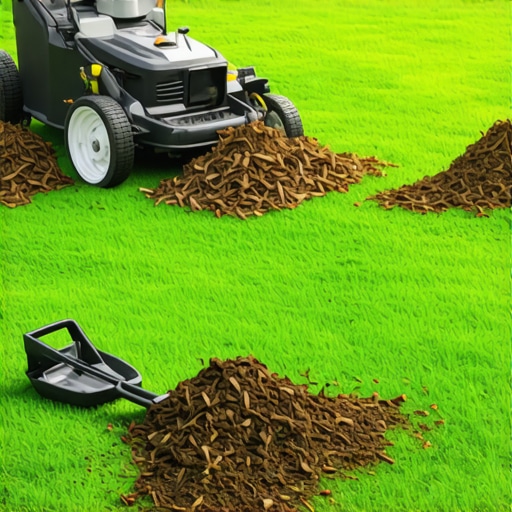
High-decibel mulch mowing involves using high-lift mulching blades to pulverize leaf litter into micron-sized particles that fall between the grass blades to the soil surface. This process accelerates microbial decomposition, releasing essential nitrogen, phosphorus, and potassium (NPK) back into the turf’s rhizosphere without creating a suffocating mat.
“A lawn that is mulched with leaves and grass clippings requires up to 25% less nitrogen fertilizer because the organic matter provides a steady release of nutrients as it decomposes.” – Penn State Agricultural Extension
Most homeowners make the mistake of waiting until the leaves are six inches deep. Don’t do that. You need to mow when the leaf cover is light. If you can still see the tips of the grass, you’re in the goldilocks zone. We use commercial-grade decks with baffled chambers. This keeps the debris suspended in the air long enough for the blade to strike it multiple times. If the particles are larger than a dime, you’re failing. Large leaf fragments block sunlight, leading to localized chlorosis. Small fragments, however, are a feast for earthworms. They pull that carbon down into the soil, naturally aerating the ground for you. Stop bagging. Start grinding. It’s better for the soil and your lower back.
How many leaves can I mulch into my lawn?
Research suggests you can successfully mulch up to six inches of leaf litter throughout a season, provided it is done in increments. The key is ensuring the leaf-to-grass ratio allows the grass blades to remain upright and exposed to sunlight for photosynthesis.
Tactic 2: Leaf-to-Soil Incorporation for Garden Beds
Leaf-to-soil incorporation is the process of amending planting beds with shredded organic matter to increase soil porosity and water-holding capacity. By tilling or top-dressing beds with shredded leaves, you create a biological buffer that protects root flares and prevents the soil from crusting during winter freeze-thaw cycles.
| Mulching Method | Equipment Needed | Nitrogen Return | Labor Intensity |
|---|---|---|---|
| Mulch Mowing | Mulch Kit / High-Lift Blades | High (Instant) | Low |
| Sheet Mulching | Cardboard / Bulk Mulch | Medium (Slow Release) | High (Initial) |
| Leaf Incorporation | Tiller / Hard Rake | High (Spring Peak) | Medium |
In our 2026 protocols, we don’t just dump leaves in the woods. We treat them as raw material. If you have perennial beds, you should be shredding your leaves and spreading them three inches thick. This acts as an insulator. It prevents the frost heaving that kicks your expensive perennials out of the ground in February. But watch the pH. Oak leaves are acidic. If you’re dumping pure oak shreddings on a bed of alkaline-loving plants, you’re creating a chemical conflict. Always test your soil pH before and after heavy mulching cycles. Most landscapes need a light application of pelletized lime to offset the tannic acid from the leaves.
Tactic 3: Perimeter Sheet Mulching and Irrigation Protection
Perimeter sheet mulching uses biodegradable barriers and heavy organic overlays to suppress invasive species and protect irrigation components from thermal shock. This tactic creates a hydrostatic buffer that prevents soil moisture from evaporating while protecting lateral lines and sprinkler heads from mechanical damage during the winter.
“A retaining wall doesn’t fail because of the stone; it fails because of the water trapped behind it, and proper mulching manages that surface runoff before it hits the backfill.” – Hardscape Engineering Axiom
When we install a new sod or irrigation system, we finish the edges with a deep trench and a heavy mulch layer. This isn’t for aesthetics. It’s for engineering. A proper edge keeps the turf from encroaching on the beds and prevents the irrigation heads from being scalped by the mower. During your 2026 cleanup, focus on the drip lines. If your irrigation lines are shallow, a thick layer of leaf mulch can provide enough R-value to prevent the ground from freezing deep enough to crack the PVC. It’s cheap insurance. Don’t skip it. Also, check your 811 markings if you’re doing any deep trenching. I’ve seen too many ‘pros’ hit a gas line because they were too lazy to call for a mark-out.
Does mulching leaves cause thatch buildup?
No, mulching leaves does not cause thatch buildup; in fact, it often reduces it by stimulating microbial activity. Microorganisms that break down the leaf carbon also feed on the lignin and cellulose found in the thatch layer, effectively cleaning the turf base.
The 2026 Cleanup Hardware and Bio-Checklist
Before you start your cleanup, you need to ensure your gear is ready for the technical demands of mulching. Dull blades don’t mulch; they tear. Tearing grass leads to desiccation and disease entry points. Sharp blades are a requirement, not a suggestion. Use a 30-degree bevel on your mower blades for the best shredding action. Check your irrigation system for leaks before the ground freezes. A small leak in October becomes a sinkhole in April.
- Sharpen mower blades to a 30-degree angle for maximum shredding.
- Blow out irrigation lines to 50 PSI to ensure no water remains in the laterals.
- Perform a soil pH test to determine lime requirements after leaf drop.
- Apply a high-potassium pre-winter fertilizer to strengthen cell walls.
- Clean out all drainage basins and French drains to prevent hydrostatic pressure buildup.
The transition from a growing season to a dormant season is the most critical time for your landscape. If you handle your organic matter correctly now, you’re setting the stage for a successful 2027. If you ignore the science, you’ll be the one calling me in the spring to fix your yellow, compacted lawn. Choose the biology. Keep the leaves on the property. Use them as the tool they are. Your soil will thank you, and your wallet will too. Done correctly, your yard becomes a self-sustaining machine.