
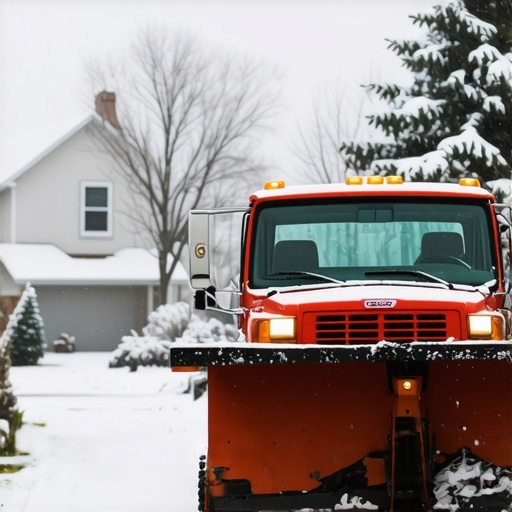
5 Questions to Ask Any Snow Plowing Service Before the First Flake Falls
Living along the Wasatch Front, we are no strangers to the sudden, heavy blankets of snow that can transform a commute into a crisis in a matter of minutes. As a business owner who has spent decades in the lawn care and snow removal industry, I’ve seen the same story play out every year: homeowners and commercial managers wait until the first blizzard hits before they start looking for a snow removal company. By then, the reputable contractors are already fully booked, and those who are left often lack the equipment or the insurance to protect your property. Finding a reliable snow plowing service isn’t just about clearing a path; it’s about risk management, liability protection, and ensuring that your life or business doesn’t grind to a halt when the lake-effect snow kicks in. My name is Terry Buescher, and I’ve built my career on exceeding customer expectations through industry-standard practices. In this guide, I’ll walk you through the five critical questions you must ask to ensure you aren’t left stranded this winter.
1. What is Your Specific “Trigger Depth” for Service?
One of the most common points of friction between a client and a snow plowing service is a misunderstanding of when the trucks will actually arrive. This is governed by what we call the “trigger depth.” In the industry, this is the agreed-upon amount of snow accumulation that must occur before a contractor is dispatched to your site. Without a clearly defined trigger depth in your contract, you are essentially leaving your safety to the contractor’s discretion.
For most residential snow removal contracts, a 2-inch trigger is the industry standard. This means if it snows an inch and a half, the contractor likely won’t show up. However, for commercial snow removal near me, the stakes are much higher. Many businesses, especially medical facilities or retail centers, opt for a 1-inch trigger or even a “zero-tolerance” policy. A zero-tolerance policy means the contractor is on-site as soon as the snow starts to stick, applying de-icing agents and clearing paths continuously to prevent any accumulation at all.
You must also ask how the company measures this accumulation. Do they rely on the official data from the local airport, or do they perform on-site measurements? In Ogden, the difference in snowfall between the bench and the valley floor can be several inches. A professional snow removal company should have supervisors monitoring local conditions in real-time. If they only wait for the evening news report to decide whether to dispatch their fleet, you might find yourself buried under four inches of heavy slush while they are still waiting for “official” word that the trigger has been met.
2. Are You Fully Insured and What is Your Damage Policy?
Snow removal is a high-risk business. When you have heavy steel plows operating in low-visibility conditions on slippery surfaces, accidents can happen. This is why the most critical question involves liability. You must verify that your contractor carries both General Liability insurance and Workers’ Compensation. If a plow driver slides into your garage door or, worse, hits a pedestrian on your property, you need to know that their insurance – not yours – is covering the damages.
A professional snow removal Ogden service will always conduct a pre-season property walkthrough. During this visit, we identify potential hazards like hidden curbs, low-hanging branches, or expensive landscape features. We use high-visibility stakes to mark these areas so that drivers can navigate safely even when the ground is completely obscured. This is also a great time to think about stopping winter ice damage in your concrete fountain or other water features that could be cracked by freezing water or struck by a stray plow blade.
Ask specifically: “If your plow hits my curb or destroys a sprinkler head, what is the process for repair?” A reputable company will have a written damage resolution process. They should document the state of the property before the season begins. If they refuse to provide an insurance certificate or balk at the idea of a pre-season walkthrough, they are not the professionals you want on your property when the North Wind starts howling.
3. What Type of Equipment and Crew Capacity Do You Maintain?
The reliability of a snow plowing service is only as good as its fleet. A common red flag in this industry is the “guy with a truck” syndrome. While a single entrepreneur with a plow can be hardworking, they lack redundancy. If their one truck breaks down during a major Ogden storm, you are stuck. You need to ask about their backup equipment and the size of their crew.
A professional snow plowing service should maintain a diverse fleet. This includes heavy-duty trucks for large parking lots, skid steers for tight corners, and dedicated crews for snow shoveling service on walkways and stairs. For many homeowners, a snow plow residential setup is actually overkill for a small driveway and can lead to property damage. Sometimes, a high-capacity snow blower is a much safer and more efficient tool for residential environments.
Furthermore, ask about their maintenance schedule. Are they prepping their equipment for winter properly? Just as you would use a fuel stabilizer for your lawnmower, snow contractors must meticulously maintain their hydraulic lines and salt spreaders. If a truck leaks fluid on your property, you’ll want to know the best way to clean oil stains off a new driveway, but it’s better to hire a company that keeps their equipment in top-tier condition to avoid the mess in the first place.
4. How Do You Handle Pricing and Contract Structures?
Understanding the financial aspect of snow and ice removal is vital for your winter budgeting. Generally, there are two main types of contracts: “Per-Push” and “Seasonal/Fixed Rate.”
- Per-Push: You pay every time the contractor services your property. This is often preferred by those who want to pay only for what they use. However, during a particularly brutal Utah winter with 20+ snow events, your costs can skyrocket.
- Seasonal/Fixed Rate: You pay a flat fee for the entire season, regardless of how much it snows. This provides excellent budget stability.
As industry experts like the “Dirt Monkey” (Stan Genadek) often point out, seasonal contracts are a form of insurance. The client gets peace of mind knowing their costs are capped, and the snow removal company gets the consistent cash flow needed to maintain a professional crew and high-end equipment. If you are a business owner looking for commercial snow removal near me, a seasonal contract is almost always the smarter move to avoid unexpected overhead spikes in January and February.
When reviewing snow removal contractors, ensure the contract specifies what is included. Does it include salt/de-icing? Is there an extra charge for hauling snow off-site if the piles get too high? Being clear on these details upfront prevents “invoice shock” later in the season. Proper planning also extends to your landscaping; for instance, when how to design a backyard path that never gets muddy, you should consider where snow will be piled to ensure drainage doesn’t become an issue during the spring thaw.
5. What are Your Communication and Documentation Protocols?
In the digital age, “I didn’t know they were there” is no longer an acceptable excuse. When you hire a snow removal company, you need to know exactly when they serviced your property, especially for liability reasons. If a slip-and-fall accident occurs, you need documentation to prove that the property was maintained according to the contract.
Ask if the company uses GPS tracking on their fleet and if they provide time-stamped “service completed” photos. Modern snow and ice removal tech allows contractors to send automated alerts to your phone the moment a plow enters or leaves your property. This level of transparency is the hallmark of a high-authority provider.
Local context is also crucial here in Ogden. The city has specific parking ordinances during snow emergencies, often requiring vehicles to be off the streets to allow city plows to pass. A knowledgeable local contractor will communicate with you about these schedules to ensure they can actually access your driveway or lot. Furthermore, Ogden city laws typically require sidewalks to be cleared within 24 to 48 hours of a storm. Your contractor should be well-versed in these local mandates and guarantee that your property remains compliant to avoid city fines. Once the snow finally melts, remember that why spring raking is critical for stopping snow mold is often due to the heavy compaction of these snow piles, so your communication with the contractor should also include where they are stacking the snow to minimize lawn damage.
Conclusion: Don’t Get Left in the Cold
The worst time to vet snow removal contractors is while you are staring at a foot of snow in your driveway and your car is buried. High-quality services book up fast, often by early October. By asking these five questions – covering trigger depths, insurance, equipment, pricing, and communication – you can separate the professionals from the amateurs.
At Urban Landscaping, we pride ourselves on a proactive approach to winter weather. Don’t wait for the first flake to fall. Contact us today for a comprehensive property assessment and ensure that your home or business stays safe, accessible, and compliant all winter long. Whether you need a snow plow residential expert or a full-scale commercial team, we are here to help you weather the storm.