
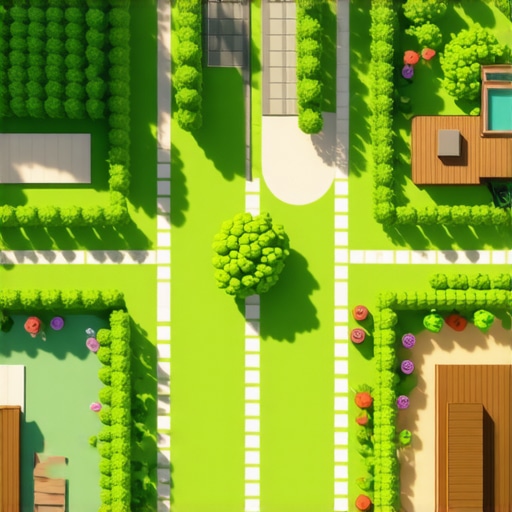
The 2026 Shift: Why Precision Engineering Beats Square Footage
Maximizing a small backyard requires a shift from cosmetic decoration to structural optimization and biological management. These 2026 layouts focus on sub-surface drainage, vertical horticultural integration, and high-density hardscaping to turn restricted footprints into high-performance zones. By addressing the hydrostatic pressure and soil compaction first, we ensure that every square inch of the yard is both functional and resilient against environmental stressors.
I recently got called out to tear up a $30,000 patio that was sinking because the previous contractor thought 2 inches of sand was a ‘solid base.’ It wasn’t. The entire surface had heaved four inches because they ignored the clay-heavy soil and the freeze-thaw cycle. Water sat under those pavers, froze, and pushed the whole project into the neighbor’s yard. It was a mess. If you don’t fix the soil grading and the base-layer compaction first, every plant or stone you put in the ground is just expensive compost. In 2026, we are seeing a move away from the ‘mow-and-blow’ hacks. Clients want engineering, not just a haircut for their lawn. We’re talking about CBR (California Bearing Ratio) values for our gravel and cation exchange capacity for our garden beds. If your landscaper isn’t talking about 2A modified stone or pore space in the soil, they’re just playing in the dirt. You need a layout that respects the laws of physics and biology.
“A retaining wall doesn’t fail because of the stone; it fails because of the water trapped behind it.” – Hardscape Engineering Axiom
Layout 1: The Multi-Level Sunken Terrace
The Sunken Terrace layout utilizes vertical excavation to create the illusion of space while managing surface runoff. By dropping the central seating area 18 inches below grade, we create built-in perimeter seating that doubles as a retaining structure. This requires a French drain system integrated into the footing to prevent the terrace from becoming a swimming pool during heavy rain. We use #57 clean stone for the backfill to ensure rapid water movement away from the wall. The surrounding ‘upper’ levels are then dedicated to high-density sod install using TifTuf Bermuda or similar drought-tolerant cultivars that can handle the reflected heat from the stone. Every irrigation head must be calibrated for head-to-head coverage; in a small space, dry spots are magnified, leading to localized dry spot (LDS) and soil hydrophobicity.
How much modified gravel do I need for a patio base?
To calculate the required modified gravel (2A or 3/4-minus), multiply the square footage by the desired depth in feet (minimum 0.5 feet for patios), then multiply by 1.35 to account for compaction loss. This ensures the base reaches the 98% Proctor density required to prevent interlocking concrete pavement from settling or shifting over time.
Layout 2: The Permeable Grid and Living Wall
This layout is designed for maximum yard cleanup efficiency and stormwater mitigation. Instead of a solid concrete slab, we utilize permeable pavers with wide joints filled with #8 stone. This allows water to infiltrate the soil directly, reducing the load on municipal sewers and keeping the root zones of nearby trees hydrated. The ‘walls’ of this backyard aren’t fences; they are vertical hydroponic or engineered soil-cell systems. We use drip irrigation with pressure-compensating emitters to deliver exactly 0.5 gallons per hour directly to the root flare. This prevents foliar fungal diseases common in small, high-humidity enclosures. For the floor, a sod install of fine fescue in the shaded corners provides a soft texture without the massive nitrogen requirements of Kentucky Bluegrass.
What is the best sod type for high-traffic small yards?
For small, high-traffic areas, hybrid Bermuda or Zoysia grass varieties like ‘Zeon’ are superior due to their high rhizomatous growth and stoloniferous repair capabilities. These grasses recover quickly from foot traffic compaction and maintain a tight clipping yield, which reduces the frequency of yard cleanup and organic debris accumulation.
| Material Type | Structural Stability (PSI) | Permeability Rate | Maintenance Level |
|---|---|---|---|
| Permeable Pavers | 8,000+ | High (100+ in/hr) | Low (Annual Sanding) |
| Standard Concrete | 3,000 – 4,000 | Zero (Runoff only) | Moderate (Sealing) |
| Natural Flagstone | Varies | Low (Joint dependent) | High (Weed control) |
| Engineered Sod | N/A | Moderate | High (Mowing/Fertilizing) |
Layout 3: The Precision Utility Zone
Layout 3 treats the backyard as a machine. We integrate irrigation manifolds and low-voltage lighting transformers into a dedicated ‘utility spine.’ The lawn is replaced with a strategic sod install in a central ‘rug’ pattern, surrounded by hardscape pathways that prevent compaction paths. This layout requires a comprehensive yard cleanup to remove all organic thatch and old debris before installing a geotextile fabric under the stone paths. This fabric isn’t for weeds; it’s for soil separation—keeping your expensive gravel from migrating into the clay. We also focus on NPK ratios for the perimeter plantings, using a slow-release 10-10-10 fertilizer to avoid nitrogen leaching into the groundwater.
“Soil compaction is the silent killer of urban landscapes; without 25% air and 25% water pore space, roots will suffocate and die regardless of nutrient input.” – Penn State Agricultural Extension
- Site Analysis: Test soil pH and drainage rates (perc test) before ordering any materials.
- Grading: Ensure a minimum 2% slope away from all foundations to manage hydrostatic pressure.
- Excavation: Remove at least 8 inches of native soil for any hardscaping to allow for a proper base and bedding layer.
- Irrigation: Install a smart controller with a rain sensor to prevent over-watering and anaerobic soil conditions.
- Sod Prep: Till 2 inches of leaf compost into the top 6 inches of soil before sod install to jumpstart microbial activity.
Precision is not optional. When you’re working with a 20×20 foot space, a 1-inch mistake in your screed pipes results in a massive puddle in the center of your living area. We use laser levels for every project. We test the compaction with a penetrometer. We don’t guess. We measure. This is the difference between a yard that lasts 30 years and one that needs a yard cleanup and total renovation every three seasons. Stop looking at the surface. Look at the base layers. That is where the longevity lives.