
Pruning 2026 Hydrangeas: Stop Cutting the Old Wood
I always drill into my new crew members: if you don’t fix the soil grading first, every plant you put in the ground is just expensive compost. It is the same with pruning. People treat a pair of bypass pruners like they are just grooming a dog, but you are performing surgery on a living vascular system. If you are out there in late fall or early spring hacking away at your Hydrangea macrophylla (Bigleaf) or Hydrangea quercifolia (Oakleaf), you are not cleaning up. You are decapitating the 2026 floral display. Most homeowners see a brown stick in February and think it is dead. It is not dead. It is a biological vault containing next year’s investment. When you cut that wood, you are throwing money and beauty into the wood chipper.
Understanding Old Wood vs. New Wood Physiology
Pruning old wood hydrangeas requires identifying the species and understanding the bloom cycle. Species like Bigleaf and Oakleaf set flower buds on stems from the previous year. Cutting these stems in winter or spring removes the reproductive tissue, resulting in a foliage-only season without flowers. This is the primary reason why your bushes look like green meatballs every summer with zero color. The plant is healthy, but your timing is catastrophic. You have to understand the difference between a terminal bud and a lateral bud. The terminal bud at the tip of the stem is the primary growth point. In old wood species, this bud was formed during the previous August or September. It sits there, dormant, protected by thick bud scales that can withstand sub-zero temperatures, waiting for the hormonal shift of spring. If you snip that tip, you have removed the 2026 bloom. It is that simple.
“A plant’s energy reserves are stored in its wood; removing it at the wrong time forces a compensatory growth response that sacrifices reproductive tissues.” – University of Maryland Extension Service
The 2026 Bloom Schedule: Why Your Shears Are Dangerous Now
The 2026 bloom cycle actually starts in late 2025. By the time the leaves start to drop in autumn, the plant has already allocated carbon and nitrogen to the nodes where flowers will emerge. This is why yard cleanup can be so dangerous for a landscape. Unskilled crews come in with hedge trimmers and aim for a uniform shape. They want everything to look tight and tidy for the winter. In doing so, they shear off 100 percent of the flowering wood. You end up with a very neat, very green, very boring shrub. To get those massive blue or pink mopheads, you have to leave the old wood alone. The only time you should touch a Bigleaf hydrangea with shears is immediately after it finishes blooming in the summer, and even then, you are only deadheading. You are not structural pruning. You want to leave at least two sets of healthy buds below your cut. If you go deeper, you risk stimulating late-season growth that will not harden off before the first frost, leading to tip dieback and a failed 2026 season.
When is the best time to prune bigleaf hydrangeas?
The narrow window for pruning Bigleaf hydrangeas is immediately after the flowers fade in mid-summer, typically before August 1st. This allows the plant enough time to recover and set the next year’s buds before the shorter days of autumn trigger dormancy. If you wait until the fall yard cleanup, you have already missed your chance. At that point, the only thing you should be removing is wood that is truly dead, crossed and rubbing, or diseased. Look for the ‘green scratch test’ if you are unsure. Use your fingernail to scratch the bark. If it is green underneath, it is alive and contains your 2026 flowers. If it is brown and brittle like a cracker, it can go.
How do I know if my hydrangea blooms on old wood?
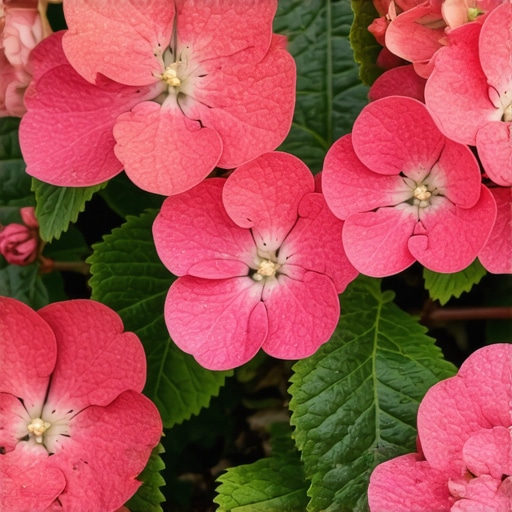
Identify the species by the leaf shape and flower type. If you have large, heart-shaped leaves with ‘mophead’ or ‘lacecap’ flowers (blue, pink, or purple), it is a macrophylla and blooms on old wood. If the leaves look like oak leaves and turn mahogany in the fall, it is a quercifolia and also blooms on old wood. Conversely, Hydrangea paniculata (PeeGee) and Hydrangea arborescens (Annabelle) bloom on new wood, meaning they can be cut to the ground in late winter and still bloom beautifully. Treating a Bigleaf like a Panicle is a 300 dollar mistake. Always verify the species before you make the first cut.
Integrating Hydrangea Care into Your Fall Yard Cleanup
Proper landscaping maintenance is about more than just aesthetics; it is about soil health and moisture management. During your fall yard cleanup, do not let your crew blow all the leaf litter out of the hydrangea beds. While you want to remove diseased foliage to prevent Cercospora leaf spot, a light layer of mulch or shredded leaves provides essential insulation for the root zone. Hydrangeas have relatively shallow root systems. They are susceptible to ‘heaving’ during freeze-thaw cycles. A 3-inch layer of hardwood mulch, kept 2 inches away from the main stems to avoid rot, is the best insurance policy you can buy. Do not build mulch volcanoes. I see this constantly. Piling mulch up against the wood traps moisture against the bark and invites voles to chew on the stems. It will kill the plant faster than a drought will.
Sod Install and Irrigation: The Hidden Killers
If you are planning a sod install this spring, you must be careful around your existing hydrangeas. New sod requires immense amounts of water to establish, often 1 inch per day for the first two weeks. While hydrangeas like moisture, they cannot sit in a swamp. If your irrigation system is hitting the hydrangea foliage every morning at 5:00 AM, you are inviting powdery mildew and root rot. I tell my clients: water the dirt, not the leaves. When we install irrigation, we use dedicated drip zones for the shrub beds. This keeps the water at the soil level where it belongs and keeps the foliage dry. Furthermore, when laying new sod, do not bury the root flare of your hydrangeas. I have seen countless $50,000 landscapes ruined because a contractor added 4 inches of topsoil to level a lawn for sod, effectively suffocating every established shrub in the bed.
“Irrigation systems must be calibrated to deliver water to the root zone, not the foliage, to prevent fungal pathogens like Cercospora leaf spot.” – Clemson Cooperative Extension
The Physics of the Perfect Pruning Cut
When you do find a truly dead branch that needs to go, the technique matters. You want a 45-degree angle cut. This is not for looks. A flat cut allows water to sit on top of the wound, creating a petri dish for fungal spores. A 45-degree angle allows water to shed off the stem immediately. You should also position your cut roughly 1/4 inch above a viable bud node. If you leave a long ‘stub’ above the bud, that wood will die back and decay, potentially carrying rot into the main structure of the plant. If you cut too close to the bud, you risk drying out the very tissue that is supposed to grow. It is a game of millimeters. I use high-quality bypass pruners, never anvils. Anvil pruners crush the vascular tissue (xylem and phloem), which is like stepping on a straw. Bypass pruners act like scissors, leaving a clean, surgical opening that the plant can callus over quickly.
| Hydrangea Species | Bloom Wood Type | Ideal Pruning Window | Maximum Cut Depth |
|---|---|---|---|
| Bigleaf (Macrophylla) | Old Wood | July – Early August | Top 10% (Deadhead only) |
| Oakleaf (Quercifolia) | Old Wood | July – August | Minimal (Remove dead only) |
| Panicle (Paniculata) | New Wood | Late Winter / Early Spring | Up to 30% of height |
| Smooth (Arborescens) | New Wood | Late Winter / Early Spring | Can cut to 6-12 inches |
Checklist for a Successful 2026 Season
- Confirm the species: If it is a Macrophylla, put the shears away in October.
- Check the soil pH: 5.2 to 5.5 for blue flowers; 6.0 to 6.2 for pink. Use elemental sulfur or lime accordingly.
- Inspect the terminal buds: They should be plump and green or reddish. If they are black and shriveled, the wood is likely dead.
- Monitor irrigation: Ensure the drip line is not clogged and is delivering at least 1 inch of water per week through the heat of summer.
- Protect from late frost: If a freeze hits in late March after the buds have started to swell, cover the plants with burlap (not plastic).
Landscape management is a long game. You are not just working for what the yard looks like today; you are working for what it will look like eighteen months from now. Stop the ‘mow-and-blow’ mentality. Treat your hydrangeas like the engineering marvels they are. If you leave that old wood alone this winter, the reward in 2026 will be worth the restraint. Respect the biology, and the biology will respect your property value. Maintenance is not a chore; it is an investment in your home’s civil engineering and biological health.