
The Brutal Reality of 2026 Land Prep
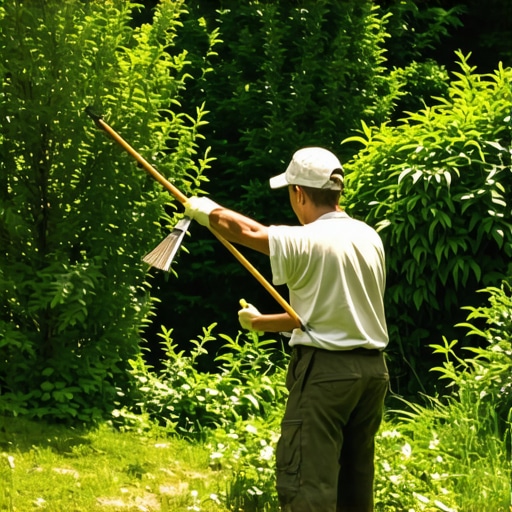
Clearing yard overgrowth for 2026 requires a brush hook to sever woody stems and invasive vines at the root collar. This manual yard cleanup method allows for precise landscaping preparation, ensuring that subsequent irrigation and sod install projects have a clean, graded foundation. It is not just about hacking at weeds; it is about managing the biological succession of your property. I always drill into my new crew members: if you don’t fix the soil grading first, every plant you put in the ground is just expensive compost. Most beginners see a wall of green and start swinging. They don’t look at the way the water moves across the lot or how the roots are anchored. Last year, I saw a guy try to install $15,000 worth of tall fescue sod over a patch of land he had cleared with a brush hog, but he ignored the subgrade. Two months later, the entire lawn was a swamp because the underlying clay was bowl-shaped. He had to rip it all out. My crew knows that the brush hook is the scalpel that lets us see what the soil is actually doing before we bring in the heavy machines.
The Physics of the Brush Hook
The brush hook, often called a ditch blade, utilizes a heavy 12 to 15 inch curved steel blade to generate centrifugal force that slices through fibrous vegetation. Proper yard cleanup with this tool requires a sharp 30-degree bevel and a follow-through motion that targets the xylem and phloem of the plant. It is a tool of leverage, not just raw strength. You aren’t just cutting; you are clearing the way for civil engineering at the residential level.
“Proper site preparation is 90% of a successful landscape installation. Without removing the existing competitive vegetation and fixing the micro-topography, the new ecosystem will fail.” – Texas A&M AgriLife Extension
Why You Should Never Till After Clearing
While the internet tells you to till the soil immediately after clearing brush, experienced horticulturists know that tilling actually wakes up millions of dormant weed seeds buried in the soil bank. Tilling also destroys the mycorrhizal fungal networks that are essential for the health of your future sod install. Instead of tilling, you should use the brush hook to clear the surface, then apply a targeted broadleaf herbicide or use a heavy layer of silage tarps to occultate the remaining weeds. This preserves the soil structure and prevents the hydrostatic pressure issues that occur when you loosen soil on a slope without a plan.
Material and Tool Comparison for Yard Clearing
| Tool / Method | Best Use Case | Impact on Soil Structure | Labor Intensity |
|---|---|---|---|
| Brush Hook | Woody Stems & Dense Vines | Minimal Disruption | High |
| Brush Hog (Machine) | Large Acreage / Grasses | Moderate Compaction | Low |
| Rototiller | Garden Beds Only | Severe Destruction | Moderate |
| String Trimmer | Light Grass / Edging | No Impact | Moderate |
Soil Grading and Hydrostatic Realities
Once the brush is cleared, you must analyze the slope and grade of the yard to prevent hydrostatic pressure from building up against your foundation or retaining walls. You need a minimum 2 percent slope away from any permanent structure. This is the landscaping phase that separates the pros from the hacks. If you find a low spot, you don’t just dump topsoil into it. You must excavate the area, compact a modified gravel base if necessary, and then layer your sandy loam on top.
“A retaining wall doesn’t fail because of the stone; it fails because of the water trapped behind it. Soil grading is the primary defense against structural failure.” – Hardscape Engineering Axiom
How much modified gravel do I need for a patio base?
To calculate modified gravel needs for a landscaping base, multiply the square footage by the desired depth in feet, then divide by 27 to get cubic yards. For a standard 4 inch base, you will typically need about 1.25 tons of CR6 or 21A gravel per 100 square feet.
What is the best tool for clearing thick brush?
The best tool for thick brush is a brush hook with a 36-inch hickory handle and a high-carbon steel blade. This tool allows the operator to maintain a safe distance from thorns and briars while delivering enough kinetic energy to sever 1-inch diameter saplings in a single stroke.
The 2026 Yard Cleanup Protocol
- Identify and mark all underground utilities by calling 811 before any excavation.
- Use the brush hook to clear woody vegetation down to the soil surface.
- Check the soil pH and adjust with lime or sulfur based on your 2026 sod install requirements.
- Inspect the irrigation lines for existing damage or plan for new trenching.
- Correct the sub-grade to ensure a 2% slope away from the home.
- Apply a 3-inch layer of double-ground hardwood mulch to areas not slated for sod.
Preparing for Irrigation and Sod Install
After the yard cleanup is complete and the grade is set, your irrigation system must be designed to deliver exactly 1 inch of water per week to the root zone. This isn’t a guess. Use a rain gauge to calibrate your zones. When it comes to the sod install, the soil-to-sod contact is the most critical factor. Use a 300-pound water-filled roller to press the sod into the soil. This eliminates air pockets that cause root desiccation. If you leave air under the sod, it will die. It is that simple. Don’t skip the rolling phase. The weight ensures the capillary action can begin immediately, pulling moisture from the subsoil into the new turf. [{“@context”:”https://schema.org”,”@type”:”FAQPage”,”mainEntity”:[{“@type”:”Question”,”name”:”How much modified gravel do I need for a patio base?”,”acceptedAnswer”:{“@type”:”Answer”,”text”:”To calculate modified gravel needs, multiply square footage by depth in feet and divide by 27. Typically, a 4-inch base requires 1.25 tons of CR6 gravel per 100 square feet.”}},{“@type”:”Question”,”name”:”What is the best tool for clearing thick brush?”,”acceptedAnswer”:{“@type”:”Answer”,”text”:”A brush hook with a 36-inch hickory handle and high-carbon steel blade is the most effective manual tool for clearing thick woody brush and saplings up to 1 inch in diameter.”}}]},{“@context”:”https://schema.org”,”@type”:”HowTo”,”name”:”How to Clear Yard Overgrowth for Sod Installation”,”step”:[{“@type”:”HowToStep”,”text”:”Mark all underground utilities by calling 811.”},{“@type”:”HowToStep”,”text”:”Use a brush hook to clear all woody vegetation at the soil line.”},{“@type”:”HowToStep”,”text”:”Grade the soil to a 2 percent slope away from structures.”},{“@type”:”HowToStep”,”text”:”Install or repair irrigation lines and calibrate for 1 inch of water per week.”},{“@type”:”HowToStep”,”text”:”Lay sod and use a 300-pound roller to ensure soil-to-sod contact.”}]}]