
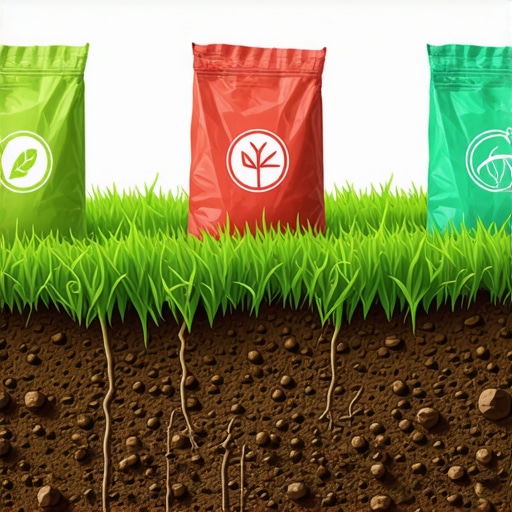
The Forensic Autopsy of a Chemically Scorched Clay Lawn
The yard smelled like a chemistry lab fire and looked like a desert wasteland. When I pulled onto the driveway, the homeowner was standing over a patch of fescue that looked like it had been hit with a blowtorch. He had dumped a high-nitrogen quick-green bag onto heavy clay during a July heatwave. On clay soil, that nitrogen does not just sit there; it salts the soil and sucks the moisture right out of the root zone through osmotic stress. We call it osmotic burn. It is a slow death. The roots shrivel, the soil plates lock together, and the grass turns into brown straw that no amount of irrigation can revive. I spent the next four hours explaining that his soil was not just dirt, it was a biological system he had essentially poisoned with high-salt synthetic salts. We had to scrape the entire lot, perform a massive yard cleanup, and start over with a fresh sod install because the soil biology was effectively sterilized. This is the reality of working with clay. If you do not respect the chemistry, the clay will win every single time. It is a microscopic battle of ions and water molecules.
What are the best 2026 fertilizer mixes for clay soil lawns?
The best 2026 fertilizer mixes for clay soil are those that prioritize slow-release nitrogen, humic acid, and calcium-based soil conditioners like gypsum. These mixes, such as bio-solid organics and polymer-coated urea, prevent nutrient runoff and improve the physical structure of heavy clay by promoting flocculation and microbial health. To fix clay, you need a mix that adds 1 pound of nitrogen per 1000 square feet in a controlled, non-volatile format. Clay soil is composed of tiny, flat platelets that stack together like a deck of cards. This creates a massive surface area for nutrient holding, known as Cation Exchange Capacity (CEC), but it leaves almost zero room for oxygen. When you apply standard big-box fertilizers to this environment, you often end up with nutrient lockout because the pH is misaligned or the salts in the fertilizer cause the clay to compact even further.
“Clay soils have high cation exchange capacity (CEC), meaning they hold onto nutrients like potassium and calcium better than sandy soils, but they suffer from poor gas exchange and low drainage rates.” – Penn State Extension Agronomy Manual
How much nitrogen does clay soil need per 1000 square feet?
For heavy clay, you should aim for no more than 0.75 to 1.0 pound of actual nitrogen per 1000 square feet per application. Because clay has a high CEC, it can hold onto that nitrogen longer than sand, meaning you do not need to apply as frequently as the marketing on the bag suggests. Over-applying nitrogen on clay is a recipe for fungus. High nitrogen levels combined with the poor drainage of clay create a damp, anaerobic environment where Pythium blight and Brown Patch thrive. You must use a calibrated spreader. Do not guess. If your spreader is not calibrated to the specific bulk density of the 2026 fertilizer mix, you are just throwing money into the wind. I always tell my crew to weigh out the bag, measure the yard, and do the math. If you are off by even 10 percent, you are risking a chemical imbalance that will take months to correct.
The 2026 Fertilizer Comparison for Heavy Clay
The Three Best Fertilizer Formulations for 2026
1. The Bio-Solid Humic Powerhouse
This mix is the gold standard for long-term clay remediation. Unlike synthetic salts, bio-solids like the 2026-spec Milorganite alternatives use microbes to break down the nutrients. This is crucial for clay because those same microbes help create soil aggregates. Soil aggregates are the clumps that create the gaps where oxygen and water live. Without them, your lawn is just a brick. These mixes usually have an NPK ratio of 6-4-0 and include at least 5 percent iron. The iron provides a deep green without the surge growth that weakens the plant. In my 20 years of landscaping, I have found that organic-based fertilizers are the only way to truly change the structure of the soil over time. You are not just feeding the grass; you are building a biological engine in the dirt.
2. The Polymer-Coated Urea (PCU) with 10% Potash
In 2026, PCU technology has advanced to the point where nitrogen release is triggered by soil temperature and moisture, not just water contact. This is vital for clay soil where standing water is a constant threat. A 24-0-10 mix provides the nitrogen needed for canopy density while the high potash (potassium) level strengthens the cell walls of the grass blades. This makes the lawn more resistant to the foot traffic and heat stress that clay soils amplify. When you are doing a sod install on clay, using a PCU starter fertilizer ensures the new roots have a steady supply of nutrients without the risk of burning the delicate new root hairs. It stays put. It does not leach into the groundwater.
3. The Calcium-Enhanced Sulfur Mix
While technically a soil conditioner, the 2026 hybrid mixes include a base nitrogen load with high concentrations of pelletized gypsum. Gypsum is calcium sulfate. In heavy clay, the calcium ions replace sodium ions on the clay platelets. This process, called flocculation, causes the clay particles to clump together into larger granules, effectively opening up the soil. If you have standing water after a light rain, your clay is likely dispersed. This mix fixes that. It is the bridge between a yard cleanup and a healthy lawn. You cannot have a healthy lawn if the water cannot get to the roots. I have seen this mix turn a swampy back yard into a functional lawn in two seasons.
“A lawn is only as healthy as the soil structure beneath it; applying nutrients to compacted clay without addressing aeration is an exercise in futility.” – Texas A&M AgriLife Research
What is the best irrigation schedule for heavy clay?
For clay, you must use the cycle-and-soak method. Clay absorbs water at a rate of about 0.2 inches per hour. Most irrigation systems put out 1.5 inches per hour. That means 80 percent of your water is running off into the street if you run your zones for 30 minutes straight. Instead, run each zone for 5 to 7 minutes, wait an hour for it to soak in, and repeat the cycle until you hit your target depth. This ensures the 2026 fertilizer mix is actually carried down into the root zone instead of being washed away. If you see water pooling, stop. The soil is full. Clay has a high water-holding capacity, but it has a very low infiltration rate. You have to be patient. If you rush it, you are just creating a mud hole.
The Clay Soil Restoration Checklist
- Perform a professional soil test to check pH (aim for 6.5) and CEC levels.
- Core aerate the lawn to a depth of at least 3 inches, removing 20 to 40 plugs per square foot.
- Apply a 2026-spec organic bio-solid fertilizer to boost soil microbiology.
- Top-dress with a quarter-inch of high-quality compost to introduce organic matter into the aeration holes.
- Adjust irrigation timers to the cycle-and-soak method to prevent anaerobic conditions.
- Maintain a mowing height of 3 to 4 inches to encourage deep root growth in the heavy soil.
Year One Maintenance for Clay Lawns
The first year after a yard cleanup or a new sod install on clay is the most critical. You must monitor for compaction. If you can’t push a screwdriver 6 inches into the soil with one hand, your clay is too tight. You need to aerate again. Clay is dynamic; it expands when wet and shrinks when dry, creating cracks. Use these cracks to your advantage by overseeding and fertilizing during the fall contraction period. Do not let the soil bake in the summer. If clay gets too dry, it becomes hydrophobic, meaning it actually repels water. Once that happens, you need a professional wetting agent to break the surface tension. Stay on top of it. Don’t skip the fall feeding. That is when the roots do 90 percent of their work in clay soil. Feed them the right mix, and they will reward you with a lawn that can handle anything.