
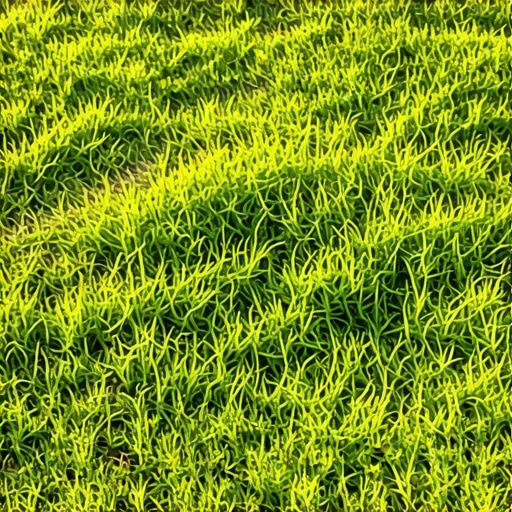
The Forensic Autopsy of a Dying Lawn
You are looking at a 2026 lawn that looks like it belongs in a desert, yet your irrigation meter shows you have pumped 15,000 gallons of water into the soil over the last month. The yellowing—technically known as chlorosis—is not a sign of thirst; it is a clinical symptom of systemic failure. In my 20 years of running a landscape firm, I have seen homeowners mistake chemical burns for drought and soil compaction for disease. Your grass is not dying because it lacks water; it is dying because it can no longer process it. It is suffocating in plain sight.
I remember a homeowner in late 2025 who called me out to his property after his sod install began to fail. He had torched his entire front yard because he thought a triple dose of high-nitrogen fertilizer would ‘force’ the grass to green up during a heatwave. Instead, he created a high-salinity environment that sucked the moisture out of the roots through osmotic pressure. We had to excavate three inches of topsoil just to get the pH back to a range where biology could exist again. It was an expensive lesson in chemical patience.
Reason 1: Sub-Surface Compaction and Bulk Density Failure
Soil compaction is the primary reason lawns turn yellow despite heavy watering because it destroys the pore space required for oxygen and water infiltration. When soil bulk density exceeds 1.6 grams per cubic centimeter, the roots are physically unable to penetrate the earth, leading to a shallow, weak root system that cannot support the leaf blade. If the oxygen cannot reach the rhizosphere, the plant cannot perform the cellular respiration needed to stay green.
“Soil compaction reduces pore space, limiting the movement of water, oxygen, and nutrients to the root zone, which eventually leads to chlorosis and plant decline.” – Penn State Extension
When you perform a yard cleanup, you might think removing the surface debris is enough, but the real issue is often six inches down. In many new developments, builders use heavy machinery that packs the clay into a concrete-like state before the sod install even begins. You are essentially trying to grow grass on a parking lot. No amount of water will fix a lack of air. You need a mechanical core aeration that pulls 3-inch plugs to break that surface tension. Don’t skip this.
Reason 2: Nutrient Lockout and pH Imbalance
Nutrient lockout occurs when the soil pH falls outside the 6.0 to 7.0 range, making it chemically impossible for grass to absorb iron or nitrogen regardless of how much fertilizer you apply. In 2026, we are seeing more alkaline soil profiles due to improper irrigation water mineral buildup. If your soil pH hits 7.5, the iron in the ground becomes insoluble. The grass turns yellow because it cannot produce chlorophyll, a condition known as iron chlorosis.
How do I fix yellow grass after heavy rain?
To fix yellow grass after heavy rain, you must first verify if the yellowing is due to nitrogen leaching or anaerobic soil conditions. Use a soil probe to check for the smell of sulfur, which indicates rot. If the soil is not rotted, apply a slow-release nitrogen fertilizer and chelated iron to restore the color and replace leached minerals.
| Condition | Visual Symptom | Technical Solution |
|---|---|---|
| Iron Chlorosis | Interveinal yellowing (green veins) | Apply Chelated Iron / Lower pH |
| Nitrogen Deficiency | Uniform pale yellow blades | Slow-release 24-0-4 fertilizer |
| Compaction | Stunted growth, hard soil | Core Aeration / Top-dressing |
| Fungal Blight | Irregular brown/yellow patches | Reduce evening watering / Fungicide |
Reason 3: Improper Irrigation and Pathogenic Fungal Pressure
Improper irrigation, specifically watering at night or frequent shallow watering, creates a localized humidity zone that invites Rhizoctonia solani, or Brown Patch. By 2026, many automated systems are set to ‘daily’ mode, which is a death sentence. Shallow watering keeps the top half-inch of soil wet while the roots stay bone dry. This forces the roots to stay near the surface where they are cooked by the afternoon sun. It will rot if you keep the canopy wet for 12 hours straight.
“A retaining wall doesn’t fail because of the stone; it fails because of the water trapped behind it, much like a lawn fails when water sits on the surface instead of draining through the profile.” – Hardscape Engineering Axiom
Why is my new sod turning yellow even with watering?
New sod often turns yellow due to root-to-soil contact failure or hydrophobic soil layers. If the sod was laid on top of dry, compacted earth without tilling, the roots cannot bridge the gap to the native soil. This creates a ‘potted plant’ effect where the sod dries out even if the surface is damp. Ensure the sod install included a heavy rolling to press the roots into the dirt.
The Recovery Checklist
- Perform a soil test to check pH and cationic exchange capacity.
- Inspect the thatch layer; anything over 0.5 inches requires power raking.
- Adjust your irrigation to deliver 1 inch of water per week in a single session.
- Check for 811 utility markings before doing any deep soil work.
- Apply a humic acid soil conditioner to increase nutrient uptake.
Stop looking for a magic spray. If your lawn is yellowing in 2026, it is likely a structural or chemical bottleneck in the soil. You have to address the biology at the root level. Fix the soil, and the green will follow. Ignore the soil, and you are just wasting water on a corpse.