
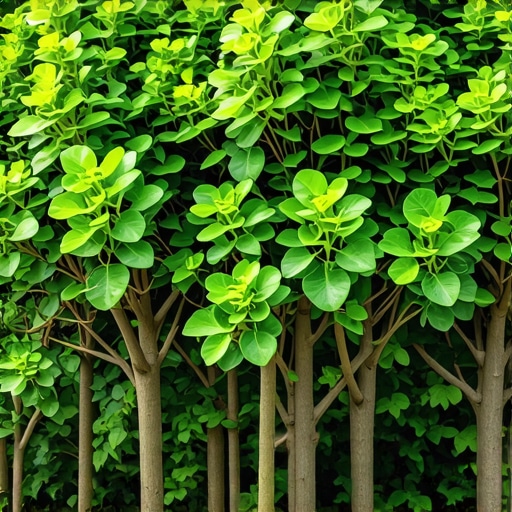
That white, talcum-like dust coating your Ninebark or Crepe Myrtle isn’t just an aesthetic blemish; it is a parasitic invasion. Powdery mildew is the visible manifestation of fungal hyphae from the Erysiphales order, and if left unchecked, it will choke the life out of your ornamental shrubs. I have spent two decades in the mud and the mulch, and I can tell you that a ‘lush’ yard (a word I hate because it implies lazy over-watering) is often just a breeding ground for these pathogens. When I see a client’s yard covered in this white film, I don’t see a need for heavy chemical warfare. I see a failure in air circulation and soil management.
The Forensic Diagnosis of Fungal Colonization
Powdery mildew treatment requires a multi-pronged approach involving potassium bicarbonate applications, mechanical pruning for airflow, and the strict management of irrigation schedules to reduce leaf-surface humidity. The goal is to alter the pH of the leaf surface and disrupt the fungal lifecycle without nuking the beneficial microbiology in your soil profile.
I always drill into my new crew members: if you don’t fix the soil grading and plant spacing first, every plant you put in the ground is just expensive compost. I remember a job last spring where a homeowner had packed fifteen English Laurels into a ten-foot run, right against a cedar fence. The lack of air movement created a stagnant microclimate. By the time they called me, the powdery mildew was so thick you could scrape it off with a credit card. They wanted me to spray some heavy-duty fungicide. I told them no. We ripped out five shrubs, thinned the remaining ones, and switched their irrigation from overhead sprays to a localized drip system. Two weeks later, the mildew was gone without a single drop of toxic chemical. We fixed the engineering, and the biology followed suit.
“Powdery mildew fungi are obligate biotrophs, meaning they require living host tissue to grow and reproduce, often thriving in environments with high relative humidity but dry leaf surfaces.” – Penn State Department of Plant Pathology
How does irrigation timing affect fungal growth?
Irrigation is the most mismanaged aspect of residential landscaping. Most homeowners set their timers for 9:00 PM because they think it saves water. In reality, you are just inviting a fungal buffet. When you wet the foliage at night, the water sits on the leaf for 8 to 10 hours in the cool air. This is the exact window when fungal spores germinate. If you must use overhead irrigation, you run it at 4:00 AM. This allows the rising sun to evaporate the excess moisture quickly. However, a professional grade irrigation install should always prioritize drip lines or bubblers at the root flare. We want the roots hydrated and the canopy bone dry. Any yard cleanup should involve removing the leaf litter that holds these spores over the winter. If you leave the ‘mummies’ on the ground, you are just seeding next year’s infection.
| Treatment Method | Mechanism of Action | Environmental Impact | Efficacy Rating |
|---|---|---|---|
| Potassium Bicarbonate | Alters leaf surface pH (Alkaline) | Minimal / Soil Neutral | High (Preventative) |
| Neem Oil (Clarified) | Disrupts fungal cell membranes | Low / Biodegradable | Moderate (Active) |
| Milk Spray (40/60) | Protein-based solar reaction | Zero / Nutrient Additive | Moderate (Early Stage) |
| Sulfur Dust | Inhibits spore germination | Moderate / High in Heat | High (Persistent) |
What is the best natural spray for powdery mildew?
The most effective non-toxic weapon in my arsenal is a 1% solution of potassium bicarbonate. Unlike common baking soda (sodium bicarbonate), potassium bicarbonate does not leave a sodium residue that can lead to soil salinity issues. It works by creating an alkaline environment on the leaf surface that is toxic to the fungal spores. You mix one tablespoon per gallon of water with a teaspoon of liquid horticultural soap as a surfactant. The soap is critical; without it, the solution just beads off the waxy cuticle of the leaf. You need that ‘sheet’ effect to ensure total coverage of the hyphae. It is a physical barrier and a chemical deterrent. It is simple, cheap, and it works better than the bottled garbage you find at big-box hardware stores.
“Fungal resistance to synthetic fungicides is a growing concern in ornamental horticulture, making cultural controls and biorational products essential for long-term health.” – Texas A&M AgriLife Extension
The Mechanical Remediation Checklist
Before you reach for a sprayer, you need to use your hands. A professional landscaping approach focuses on the architecture of the plant. Use this checklist to prep your shrubs for treatment:
- Thin the Interior: Remove 20% of the internal crossing branches to allow light and wind to penetrate the center of the shrub.
- Elevate the Canopy: Ensure no foliage is touching the soil. A 6-inch gap between the ground and the lowest leaf prevents soil-borne spores from splashing up.
- Sanitize Your Tools: Dip your pruners in 70% isopropyl alcohol between every single cut. If you don’t, you are just a mechanical vector for the disease.
- Remove Infected Litter: Bag and dispose of all fallen leaves. Do not compost them. Most backyard compost piles never reach the 140 degrees Fahrenheit required to kill fungal spores.
- Check Soil Moisture: Use a tensiometer or a simple screwdriver test. If the soil is saturated 4 inches down, your drainage is failing and your plants are stressed.
Stress is the gateway. A healthy shrub has a robust immune system. When you over-fertilize with high-nitrogen ‘quick-green’ products, you force a flush of soft, succulent growth. This new growth is like candy for powdery mildew. I prefer a slow-release organic meal with a lower N-rating. We want the plant to grow thick cell walls, not tall, spindly stems. This is the difference between a ‘mow-and-blow’ hack and a true horticulturist. We aren’t just looking at the color; we are looking at the cellular integrity of the wood. If your sod install was done poorly and the grass is competing with the shrubs for nutrients, you will see the mildew show up there first. Everything in the yard is connected. You fix the drainage, you fix the airflow, and you use biology to fight biology. That is how you maintain a high-end landscape without turning it into a toxic waste site. It takes more work than a spray bottle, but the results last for seasons, not weeks. It’s about engineering a system that doesn’t want to die.
{“@context”:”https://schema.org”,”@type”:”HowTo”,”name”:”Treating Powdery Mildew Non-Toxically”,”step”:[{“@type”:”HowToStep”,”text”:”Thin the shrub’s interior branches to increase airflow.”},{“@type”:”HowToStep”,”text”:”Mix 1 tablespoon of potassium bicarbonate with 1 gallon of water and a surfactant.”},{“@type”:”HowToStep”,”text”:”Apply the solution to all leaf surfaces during the early morning hours.”}],”tool”:[{“@type”:”HowToTool”,”name”:”Pruning shears”},{“@type”:”HowToTool”,”name”:”Pump sprayer”}],”supply”:[{“@type”:”HowToSupply”,”name”:”Potassium Bicarbonate”},{“@type”:”HowToSupply”,”name”:”Horticultural soap”}]},{“@context”:”https://schema.org”,”@type”:”FAQPage”,”mainEntity”:[{“@type”:”Question”,”name”:”Does vinegar kill powdery mildew?”,”acceptedAnswer”:{“@type”:”Answer”,”text”:”While vinegar’s acidity can kill fungus, it is non-selective and can severely burn the foliage of your shrubs. Potassium bicarbonate is a much safer and more effective alternative.”}},{“@type”:”Question”,”name”:”How often should I spray for mildew?”,”acceptedAnswer”:{“@type”:”Answer”,”text”:”During high-humidity cycles, apply organic treatments every 7 to 14 days, or immediately after a heavy rain event which can wash off the protective alkaline layer.”}}]}