
The Sensory Reality of a Dying Root System
Walk onto any high-end property and you can smell the difference between a healthy ecosystem and a slow-motion horticultural disaster. It starts with a sour, vinegary odor—the unmistakable scent of anaerobic decomposition. You might see a mature maple with its leaves turning yellow in July, or a young oak that looks like it is gasping for air. Most homeowners and ‘mow-and-blow’ outfits think they are helping by piling up a fresh mountain of dyed wood chips every spring. They are actually burying the tree alive. I have spent 20 years pulling back layers of ‘black gold’ to reveal slimy, rotted bark and roots that are literally strangling the trunk. It is a crime against biology.
The Apprentice Lesson: Soil Grading and Survival
I always drill into my new crew members: if you don’t fix the soil grading first, every plant you put in the ground is just expensive compost. I remember an apprentice, eager to make a yard look ‘clean,’ piled six inches of mulch right against the root flare of a $2,000 Japanese Maple. I made him dig it out with his bare hands. I wanted him to feel the heat generating at the base—the fermentation process that was cooking the cambium layer. Landscaping is not a cosmetic procedure; it is a management of living systems. If the soil does not drain and the roots cannot breathe, the aesthetics don’t matter. You are just decorating a corpse.
1. The Disappearing Root Flare (The Mulch Volcano)
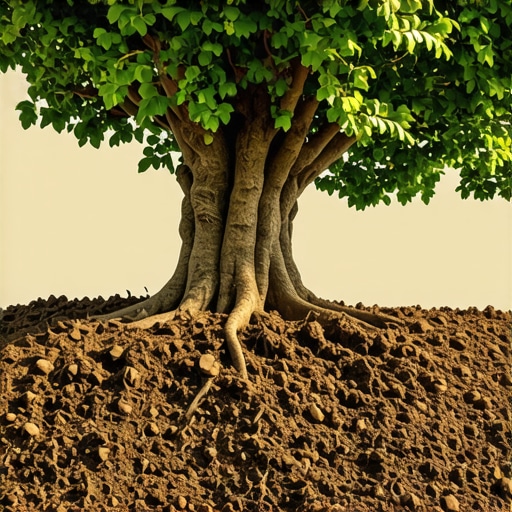
The root flare is the critical junction where the tree trunk widens into the root system and must remain exposed to the air to facilitate gas exchange. When mulch is piled against the trunk, it creates a moisture trap that causes the bark to rot and encourages girdling roots to circle and choke the tree.
“A tree’s root system needs oxygen as much as it needs water. When mulch exceeds three inches or contacts the trunk, it initiates a slow-motion strangulation.” – ISA Arboriculture Manual
Bark is designed to protect the tree from the outside world, but it is not waterproof from the inside out. When you build a ‘mulch volcano,’ you are holding constant moisture against the bark. This softens the tissues, allowing pathogens and insects easy access to the phloem and xylem. Eventually, the tree stops being able to transport nutrients. It will rot. There is no middle ground here. If you cannot see the flare of the roots at the soil line, your tree is in a state of stress. During a yard cleanup, the first task should be excavating these flares.
How deep should mulch be around a tree?
For most species, a depth of 2 to 3 inches is the maximum allowable thickness for organic mulch to provide benefits without restricting oxygen. This layer should extend out to the drip line of the tree but must taper to zero thickness as it approaches the trunk flare, creating a ‘donut’ shape rather than a mound.
2. Hydrophobic Crusting and Water Runoff
Hydrophobic mulch occurs when dry, fine-textured mulches like shredded hardwood develop a thick mat of mycelial fungi that creates a water-repellent barrier. This prevents irrigation and rainwater from reaching the root zone, effectively dehydrating the tree despite the soil appearing ‘covered.’
I have seen this a thousand times. A homeowner installs a high-end irrigation system, but the trees are still dying of thirst. We dig down three inches and find the soil underneath is bone-dry. The mulch has fused into a crust. It is like trying to water a plant through a raincoat. This often happens when people use ‘cheap’ mulch from municipal piles that hasn’t been properly aged. The fungi go into overdrive, weaving a mat so tight that oxygen and water cannot penetrate. You need to rake your mulch beds monthly. Break the crust. If the water doesn’t hit the dirt, the tree doesn’t drink.
Why is water running off my mulch?
Water runoff occurs when the bulk density of the mulch layer becomes too high or when siderophore-producing fungi create a waxy coating on the wood fibers. To fix this, you must physically break the surface tension by cultivating the mulch or incorporating coarser materials like pine bark nuggets to improve macropore space.
3. The Anaerobic “Sour Mulch” Syndrome
Sour mulch is the result of wood chips being stored in massive, un-turned piles where lack of oxygen leads to anaerobic fermentation, producing toxic levels of acetic acid and methanol. This mulch will have a pH as low as 2.0, which can instantly scorch the tender feeder roots of a new sod install or established landscape plants.
“Excessive mulching can lead to moisture extremes, causing secondary diseases such as Phytophthora root rot or Armillaria.” – Cornell University Department of Horticulture
If you spread this stuff, the damage is immediate. You’ll see the bottom leaves of your shrubs turn brown overnight. This is chemical burn, plain and simple. When we do a landscaping overhaul, we test the mulch temperature and smell before it ever hits the ground. If it smells like vinegar or rotten eggs, it stays on the truck. Roots need a balanced soil microbiology. Dumping anaerobic waste on top of them is the fastest way to kill the beneficial mycorrhizae they depend on for nutrient uptake.
Technical Material Comparison
| Mulch Type | Decomposition Rate | Oxygen Permeability | Best Use Case |
|---|---|---|---|
| Shredded Hardwood | Fast | Low (Matted) | Slopes / Erosion Control |
| Pine Bark Nuggets | Slow | High | Established Tree Groves |
| Pine Straw | Medium | Very High | Acid-loving plants (Azaleas) |
| Wood Chips (Arborist) | Slow | High | Naturalized Areas |
The Forensic Remediation Checklist
- Inspect the Flare: Use a trowel to pull mulch back 6 inches from the trunk. If you see roots growing in circles around the trunk, they must be pruned.
- Check for Heat: Reach your hand deep into the mulch. If it feels hot to the touch, it is fermenting and needs to be thinned immediately.
- Probe the Soil: Use a soil probe to check moisture levels 4 inches below the mulch. If the mulch is wet but the soil is dry, the mulch has become hydrophobic.
- Assess the Smell: Anything other than an ‘earthy’ forest smell indicates anaerobic activity and potential toxicity.
- Monitor Irrigation: Ensure irrigation heads are not spraying directly onto the tree trunks, which exacerbates bark rot under the mulch.
Can mulch kill an established tree?
Yes. While it may take 5 to 10 years, stem girdling roots caused by deep mulching will eventually cut off the flow of sap through the phloem. This leads to canopy dieback and eventual structural failure of the tree during high winds. It is a slow, silent killer that often goes unnoticed until the tree is beyond saving.
What is the best mulch for old growth oaks?
For mature oaks, arborist wood chips or a thin layer of leaf mold is best. These materials mimic the natural forest floor and have a high C:N ratio (Carbon to Nitrogen), which supports the fungal-dominant soil structure that hardwoods prefer. Avoid dyed mulches, which often contain ground-up pallets and chemical binders that do nothing for soil health.
Maintenance Schedule for Long-Term Health
Proper landscaping maintenance isn’t a once-a-year event. In the spring, check your depths. If the mulch hasn’t decomposed, do not add more. Just rake what is there to refresh the color. In the fall, ensure that falling leaves aren’t creating a secondary thicket over your mulch beds. This keeps the gas exchange optimal through the dormant season. Don’t be a hack. Respect the root flare, watch your depths, and let the tree breathe. Your yard will thank you for it with decades of shade rather than a stump removal bill.
{“@context”:”https://schema.org”,”@type”:”FAQPage”,”mainEntity”:[{“@type”:”Question”,”name”:”How deep should mulch be around a tree?”,”acceptedAnswer”:{“@type”:”Answer”,”text”:”Mulch should be 2 to 3 inches deep at most. It should be spread out to the drip line in a donut shape, with no mulch touching the tree trunk or root flare.”}},{“@type”:”Question”,”name”:”Can mulch kill an established tree?”,”acceptedAnswer”:{“@type”:”Answer”,”text”:”Yes, deep mulch can cause stem girdling roots and bark rot, which can kill even mature trees over several years by cutting off nutrient transport.”}},{“@type”:”Question”,”name”:”Why is water running off my mulch?”,”acceptedAnswer”:{“@type”:”Answer”,”text”:”This usually happens because the mulch has become hydrophobic due to fungal matting. Raking the mulch to break the surface crust will help water penetrate to the soil.”}}]}