
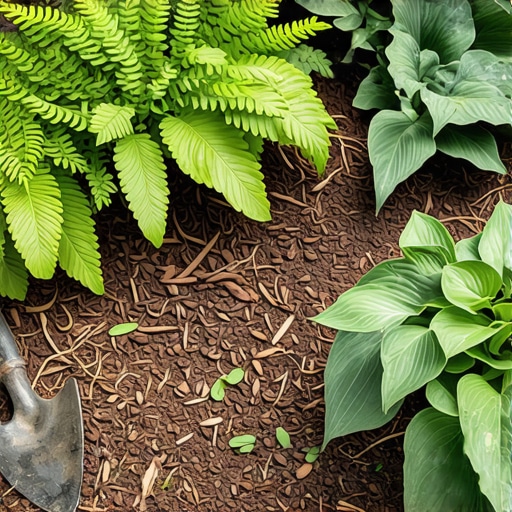
The Foundation of Side Yard Success
Designing a low-maintenance bed for shady side yards requires a shift from aesthetic gardening to horticultural engineering and structural grading management. Most side yards become swampy graveyards for expensive plants because contractors fail to account for hydrostatic pressure and bulk soil density. To build a bed that lasts, you must first master the drainage and the soil biology of the site.
I always drill into my new crew members: if you don’t fix the soil grading first, every plant you put in the ground is just expensive compost. I have spent the better part of two decades tearing out dead hostas and rotting boxwoods from side yards where the homeowner spent thousands on ‘pretty’ plants but zero on surface runoff management. You cannot fight gravity with a fancy mulch. A side yard is typically a narrow corridor that acts as a wind tunnel or a drainage flume for the rest of the property. If your A-horizon soil layer is compacted to a bulk density higher than 1.6 grams per cubic centimeter, your plants’ roots will suffocate from a lack of gas exchange long before they ever see a drop of water. We start with the dirt, or we don’t start at all.
“A retaining wall doesn’t fail because of the stone; it fails because of the water trapped behind it.” – Hardscape Engineering Axiom
How do I fix a muddy side yard for landscaping?
Fixing a muddy side yard involves installing a French drain or adjusting the soil grade to a minimum 2 percent slope away from the foundation. Using non-woven geotextile fabric and washed 1B stone ensures that the drainage system does not clog with silt over time.
The Anatomy of Shade: Understanding Light Quality
Not all shade is equal. To design a functional bed, you must quantify the Photosynthetically Active Radiation (PAR) reaching the ground. Dappled shade under a high-canopy oak is a different biological reality than the deep shade found between two multi-story houses. In these narrow corridors, we often deal with ‘dry shade,’ where the eaves of the house prevent rainfall from reaching the soil, and the lack of airflow leads to fungal pathogens like powdery mildew. We select plants based on their stomatal conductance and their ability to thrive in low-light saturation points. If you put a sun-loving species in a 2-hour light window, it will stretch, weaken, and eventually succumb to pest pressure. It is biology, not magic.
Engineered Soil Preparation for High Performance
Before we touch a shovel, we conduct a soil pH test. For shaded beds, we aim for a pH between 6.0 and 6.8 to maximize nutrient bioavailability. Most side yards are filled with construction debris and compacted subsoil from the original home build. We remediate this by incorporating 3 inches of screened organic leaf compost to a depth of 8 inches using a vertical spade technique rather than aggressive tilling, which can destroy soil aggregates. This increases the cation exchange capacity (CEC), allowing the soil to hold onto nutrients rather than letting them leach away during heavy rains.
The Material Selection Matrix
| Material Type | Function in Shade Beds | Longevity Factor |
|---|---|---|
| Double-Ground Bark Mulch | Moisture retention and weed suppression | 12 to 18 months |
| River Jack Stone (1-3 inch) | Erosion control in high-flow drainage areas | Permanent |
| Native Leaf Mold | Microbiome enhancement and nutrient cycling | 6 months |
| Non-Woven Geotextile | Separating soil from drainage stone | 20 plus years |
Selecting the ‘Ironclad’ Plant Palette
For a truly low-maintenance bed, we utilize native perennials that have evolved to handle the specific stressors of your USDA Hardiness Zone. We avoid ‘mow-and-blow’ favorites like English Ivy, which is an invasive nightmare that will eventually climb your siding and rot your trim. Instead, we look at Carex pensylvanica (Pennsylvania Sedge) for a soft, grass-like groundcover that never needs a mower. For structural height, we use Polystichum acrostichoides (Christmas Fern), which stays green through the winter and provides essential soil stabilization. We ensure every plant is installed with its root flare exactly at grade level. Planting too deep is a death sentence; it leads to stem-girdling roots and slow suffocation.
“Planting a tree or shrub too deep is the primary cause of environmental stress and secondary pathogen attack in urban landscapes.” – Penn State Department of Plant Science
What are the best low-maintenance plants for deep shade?
The best low-maintenance plants for deep shade include Helleborus (Lenten Rose), Heuchera (Coral Bells), and Tiarella (Foamflower). These species are deer-resistant and require minimal supplemental irrigation once their root systems are established in well-draining soil.
The Installation Protocol: Step-by-Step
Execution is where most DIY projects fail. We follow a strict hardscape-first protocol. If there is a sod install or a yard cleanup happening simultaneously, the side yard beds are the final piece of the puzzle to prevent soil compaction from foot traffic.
- Step 1: Utility Marking. Never break ground without calling 811. Irrigation lines and gas pipes often run through side yards.
- Step 2: Excavation and Grading. Remove 4 inches of existing turf and compacted clay. Establish a 2 percent pitch away from the foundation.
- Step 3: Edging. Install a heavy-gauge steel edge or a deep-cut trench edge. This prevents rhizomatous weeds from encroaching into the bed.
- Step 4: Irrigation Setup. Install a pressure-compensating drip line. Overhead spray is a waste of water in shade and promotes leaf spot diseases.
- Step 5: Planting. Dig holes twice as wide as the root ball. Backfill with native soil mixed with 10 percent compost. Do not use potting soil in the ground.
- Step 6: Mulching. Apply exactly 2 inches of mulch. Do not create mulch volcanoes around the base of plants. This will rot the bark.
Irrigation and Long-Term Maintenance
While the internet tells you to water every day, turf grass and shade beds actually need deep, infrequent watering. We aim for exactly 1 inch of water per week, delivered in two 30-minute cycles. This forces the roots to chase the moisture down into the subsoil, creating a drought-tolerant landscape. A side yard that is constantly damp will develop anaerobic soil conditions, smelling like rotten eggs. If you smell that, your irrigation is set too high or your grading has failed. Yearly maintenance should involve a simple yard cleanup to remove heavy leaf litter that can smother small perennials, followed by a light application of slow-release organic fertilizer. Stop over-treating your yard with chemicals; let the soil food web do the heavy lifting. If you build the system correctly from the ground up, the maintenance becomes a hobby, not a chore.