
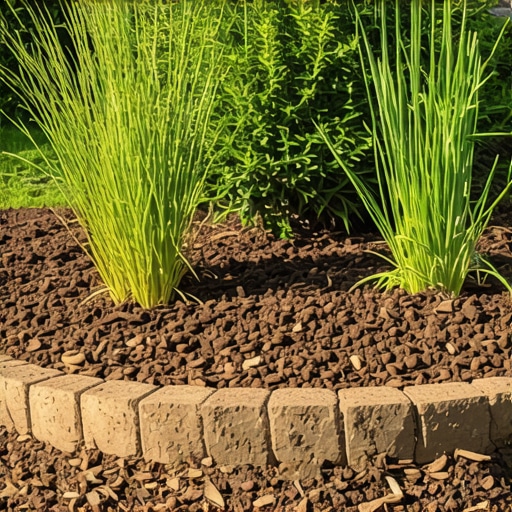
Why Professionals Use Cedar Mulch in Foundation Beds
Cedar mulch acts as a natural deterrent against foundation pests like termites, ants, and cockroaches due to its high concentration of thujone, a chemical compound that repels insects. When applied at a depth of 3 inches, it creates a chemical and physical barrier for landscaping longevity while managing moisture levels around the structure. I see too many homeowners buying the cheap, dyed mulch from big-box stores that is essentially ground-up shipping pallets. That junk provides a five-star hotel for pests. Professional-grade cedar heartwood is the only way to go if you are serious about protecting a foundation.
The Apprentice Lesson: Why Grading Prevails Over Mulch
I always drill into my new crew members: if you don’t fix the soil grading first, every plant you put in the ground is just expensive compost. Last season, I had a new hire who thought he could hide a reverse-grade slope with a thick layer of cedar. Within three weeks, the basement had seepage issues because the mulch held the water against the concrete instead of letting it shed. We had to rip the whole bed out. I made him hand-shovel four cubic yards of soil to create a proper 5 percent slope away from the house before a single bag of mulch was opened. You cannot fix bad engineering with a pretty top-layer. Period.
The Science of Thujone and Pest Repulsion
The efficacy of cedar is not a myth; it is chemistry. The primary agent is thujone, a terpene found in the oils of the cedar tree. This molecule is toxic or repellent to a variety of arthropods. While most people think of moths in closets, the real value is at the ground level where yard cleanup and bed maintenance occur.
“The use of cedar mulch can provide a degree of protection against certain wood-destroying insects by creating a chemical barrier that is unattractive to foraging termites.” – Texas A&M AgriLife Extension
It will not kill an active infestation. Do not mistake a mulch bed for a professional termiticide treatment. It is a preventative measure. The scent of the wood interferes with the chemical trails left by ants and keeps roaches from nesting in the dark, damp spaces between the foundation and the soil. It is a strategic layer in a total property management plan.
Preparation: Yard Cleanup and Soil Engineering
Effective pest mitigation starts with a thorough yard cleanup to remove existing debris that harbors eggs and larvae. Before installing any mulch, you must clear out the old, decaying organic matter. We use high-velocity blowers and hand-rakes to strip the bed down to the bare earth. If you skip this, you are just layering new protection over an old problem. Check your irrigation heads during this phase. If your sprayers are hitting the foundation directly, you are inviting rot and pest intrusion regardless of what mulch you use. Adjust the nozzles to provide head-to-head coverage without soaking the siding.
How much cedar mulch do I need for a foundation bed?
To calculate your needs, multiply the square footage of your bed by the desired depth in inches, then divide by 324. This gives you the total cubic yards required. For foundation beds, we aim for exactly 3 inches. Any less and the sun breaks down the thujone too fast. Any more and you create an anaerobic environment that rots the roots of your perennials.
The Installation Process: The Ground-Up Build
Professional installation is about precision and material choice. We avoid mulch volcanoes around the root flares of shrubs. A mulch volcano is when a contractor piles mulch up against the trunk like a mountain. It kills the tree. It creates a bridge for termites to bypass the cedar and enter the bark. Keep the mulch 2 inches away from any wood or siding. This gap is your inspection zone. If you see mud tubes, you know you have a problem. Don’t hide the problem with wood chips.
| Mulch Type | Pest Repellency | Decomposition Rate | Average Cost (Bulk) |
|---|---|---|---|
| Western Red Cedar | High (Thujone) | Slow | $45 – $60 per yd |
| Hardwood Bark | Low to None | Medium | $30 – $40 per yd |
| Pine Straw | None | Fast | $15 – $25 per yd |
| Cypress | Moderate | Slow | $40 – $55 per yd |
Is it better to use shredded cedar or cedar nuggets?
For pest control, shredded cedar is the superior choice because it mats together. This interlocking structure prevents the mulch from washing away during heavy rains and creates a denser chemical barrier. Nuggets look nice, but they float. One heavy storm and your pest barrier is in the neighbor’s driveway. Shredded mulch also holds the sod install edge much better, providing a clean line between the lawn and the beds.
Post-Installation Maintenance and Lifecycle
Cedar is not a set-it-and-forget-it solution. The oils dissipate over time. In high-heat environments, you will lose the aromatic benefits within 12 to 18 months. We recommend a top-dress of 1 inch every spring to refresh the chemical barrier.
“Organic mulches should be monitored for ‘sour’ smells or fungal growth, which can indicate poor drainage or excessive depth that inhibits gas exchange with the soil.” – Penn State Extension
Always check for fungal mats. If the mulch starts to knit together with white, thread-like mycelium, it is time to rake it out. This fungus can actually become hydrophobic, meaning it will shed water like a duck’s back, starving your plants. Keep the mulch fluffy to allow oxygen to reach the soil biology.
Pest Mitigation Checklist
- Remove all dead leaves and old hardwood mulch from the site.
- Grade soil to a 5 percent slope away from the foundation.
- Adjust irrigation sprayers to avoid hitting the house or saturating the bed.
- Apply 3 inches of shredded Western Red Cedar mulch.
- Maintain a 2-inch gap between the mulch and the siding/trunks.
The Reality of Sod and Mulch Synergy
If you are doing a sod install at the same time, the transition point is where most contractors fail. The sod should be cut in a deep ‘V’ trench at the edge of the mulch bed. This prevents the grass from creeping into the cedar and the cedar from spilling onto the grass. It also helps manage drainage. If the water can’t move, the pests will move in. Every choice in a high-end landscape is about controlling where the water goes and where the bugs can’t stay. Don’t be the guy who pays for a fancy lawn but lets termites eat the house from the garden bed up.