
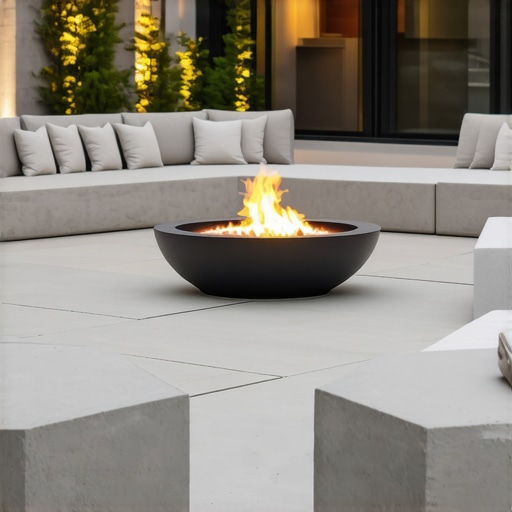
The Reality of Modern Hardscape Engineering in 2026
Modern 2026 hardscape layouts for entertaining require a shift from aesthetic-first design to engineering-first infrastructure to withstand shifting climate patterns and soil instability. A successful outdoor entertainment area relies on sub-grade compaction, hydrostatic pressure management, and precise drainage gradients that ensure the surface remains level for decades rather than seasons.
The Hardscape Autopsy: A Lesson in Base Failure
I recently got called out to tear up a $30,000 patio that was sinking because the previous contractor used rounded pea gravel as a base instead of crushed 2A modified stone. Within two winters, the lack of angular interlocking meant the base shifted under the weight of a simple outdoor kitchen. The homeowner was left with two-inch gaps in their pavers and a drainage nightmare that channeled water directly toward their foundation. We had to excavate thirty tons of useless stone and start from the dirt up. This is what happens when you hire a mow-and-blow crew to do a civil engineer’s job. Hardscaping is not about the stones you see; it is about the thousands of pounds of compacted aggregate you don’t see. Don’t skip the plate compactor. It will fail.
“A retaining wall doesn’t fail because of the stone; it fails because of the water trapped behind it.” – Hardscape Engineering Axiom
Essential Materials for 2026 Outdoor Entertainment Hubs
Selecting materials for a 2026 entertainment layout involves balancing thermal retention, slip resistance, and structural density to accommodate heavy features like pergolas and pizza ovens. High-density porcelain pavers and G2 polymeric sand are the current gold standards for durability, offering superior resistance to freeze-thaw cycles compared to traditional concrete pours. Use this material comparison table to guide your investment.
| Material Type | Compaction Required | Drainage Rating | Lifespan (Years) |
|---|---|---|---|
| 2A Modified Crushed Stone | 98% Standard Proctor | Excellent | 50+ |
| Open-Graded Base (No. 57) | Moderate | Superior | 40+ |
| Concrete Sand (Bedding) | High | Good | 25 |
| Pea Gravel (Avoid) | None | Poor (Migration) | 5 |
How much modified gravel do I need for a patio base?
To calculate the required 2A modified stone, multiply your total square footage by the desired depth (minimum 6 inches for pedestrian, 10-12 inches for vehicular or heavy structures) and divide by 324 to get cubic yards. Always factor in a 20 percent compaction loss when ordering your aggregate. If you don’t account for the volume reduction during tamping, you will run short before you hit your finished grade. Precision matters here. Most failures start with a thin base.
The Biology of Integrated Landscaping and Sod Installation
Integrating high-performance turf with hardscape layouts requires an understanding of soil microbiology and nitrogen cycles to prevent the ‘dead zone’ effect often seen near stone heat-sinks. Successful sod install near hardscapes involves a 70/30 mix of sandy loam and organic compost to ensure the root system can handle the reflected heat from the pavers.
“Effective drainage systems are the foundation of all sustainable landscape architecture, requiring a minimum 2 percent slope away from structures.” – USDA Soil Engineering Handbook
How to integrate smart irrigation into new landscaping?
Smart irrigation integration requires installing 1-inch PVC conduit under hardscape bases before the stone is dropped to allow for future wire runs and zone expansions. Utilize pressure-compensated drip emitters for planting beds adjacent to patios to avoid overspray that can cause efflorescence on your stone surfaces. Hard water on dark pavers leaves white calcium deposits. It looks cheap. Avoid it by zoning your irrigation correctly from day one.
The Precision Yard Cleanup and Site Prep Checklist
Before a single paver is laid or a roll of sod is dropped, the site must be stripped of all organic debris and legacy root systems that cause localized settling. A professional yard cleanup for a major install involves removing the top 4 inches of organic matter to reach the sub-soil layer where compaction is actually possible.
- Verify all underground utilities via 811 before excavation.
- Strip existing turf using a sod cutter to ensure a clean soil interface.
- Identify the lowest point of the yard to set your benchmark elevation.
- Install 4-inch perforated SDR-35 pipe for primary yard drainage.
- Apply a non-selective herbicide to dormant weed seeds in the sub-grade.
Year-One Maintenance for Hardscape and Irrigation Longevity
The first twelve months after a major landscaping install are the most critical for structural settling and root establishment. Monitor the polymeric sand joints after the first heavy rain to ensure no washouts occurred, and check your irrigation clock weekly to adjust for seasonal evapotranspiration rates. If you see standing water, your grade is wrong. Fix it immediately before the sub-base saturates. Deep, infrequent watering of new sod—exactly 1 inch per week—is mandatory to force roots to chase moisture into the deeper soil profile. Shallow watering creates weak turf. Don’t be the homeowner who kills $5,000 of sod because they didn’t want to buy a rain gauge.