
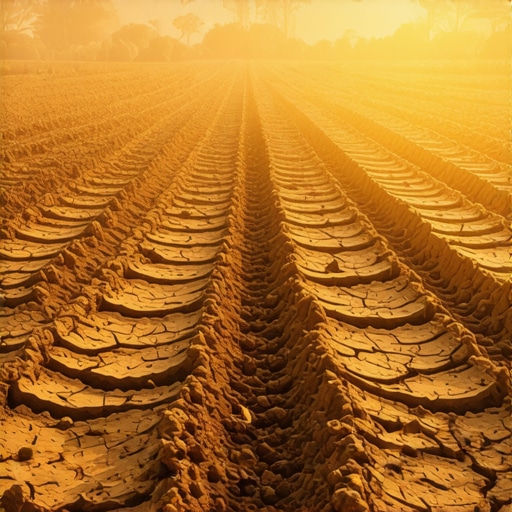
The Chemical Nightmare: When Science Turns Against the Soil
A homeowner called me in a panic after they completely torched their front lawn by applying a high-nitrogen ‘quick-green’ synthetic blend during a record-breaking July heatwave. By the time I arrived, the blades weren’t just yellow; they were brittle and straw-like, showing classic signs of chemical desiccation. This was not a lack of water. It was a failure of chemistry. The high salt index of the 2026 fertilizer blend had interacted with the high-heat clay soil to create an osmotic crisis. Instead of the roots drawing moisture from the ground, the fertilizer salts were drawing moisture out of the grass. It is a grim reminder that in the world of high-end landscaping, more is rarely better. If you do not respect the CEC of your soil, you are just paying for a more expensive way to kill your turf. It is a brutal lesson that many homeowners learn too late.
Understanding the Clay Soil Crisis in High Heat
Fertilizers fail in high-heat clay because the high salt index in modern synthetic blends causes osmotic dehydration, effectively pulling moisture out of the root zone. When temperatures exceed 90 degrees Fahrenheit, heavy clay particles bond with minerals like phosphorus and potassium, making them chemically inaccessible to the plant while increasing the salinity of the rhizosphere. This creates a toxic environment where the grass cannot breathe or drink.
Why is my new sod turning yellow despite fertilizing?
When you perform a sod install over heavy clay, the interface between the sod’s peat-based farm soil and your yard’s native clay creates a physical barrier. If you apply high-salt fertilizers during this transition, the salts accumulate at this layer because the water cannot penetrate the compacted clay quickly enough. This results in root burn. You aren’t feeding the plant; you are pickling the roots. Proper landscaping requires checking the soil pH and compaction levels before a single pellet of nitrogen touches the ground. If your irrigation system isn’t delivering at least 1 inch of water per week in deep cycles, those fertilizer salts will sit on the surface and cook your investment.
“The Cation Exchange Capacity (CEC) of clay soils determines how well the soil can hold onto nutrients; however, in high-heat conditions, the chemical activity of urea-based nitrogen increases volatilization, leading to significant nutrient loss and potential foliage burn.” – Penn State College of Agricultural Sciences Extension
How long does fertilizer take to work in clay?
In heavy clay, fertilizer uptake can take 14 to 21 days depending on moisture levels and microbial activity. Unlike sandy soils where nutrients leach quickly, clay holds onto chemical compounds. This is a double-edged sword. While it keeps nutrients present longer, it also keeps harmful salts present longer if the soil is not properly flushed with irrigation. A thorough yard cleanup involving core aeration is often necessary to open up ‘breathing’ room for these chemical reactions to occur without suffocating the turf.
The 2026 Fertilizer Failure Analysis
| Fertilizer Type | Salt Index | Heat Stability | Clay Interaction |
|---|---|---|---|
| Synthetic Urea | High | Low | Rapid ammonia release; high burn risk |
| Ammonium Sulfate | Moderate | Moderate | Acidifying effect; prone to salt buildup |
| Organic Poultry Litter | Low | High | Slow release; improves soil structure |
| Polymer-Coated Sulfur | Low | High | Predictable release; safest for clay |
The table above illustrates why the standard ‘big box’ bags fail during peak summer. Synthetic urea is the enemy of clay in 95-degree weather. The irrigation requirements to safely move that much nitrogen through a clay profile are massive, often exceeding 2 inches of water per application. Most homeowners simply cannot or do not water enough to mitigate the salt load. It will rot. The turf will fail. Don’t skip the soil test.
The Anatomy of a Failed Sod Install in Clay
Most sod install projects fail within the first 60 days because of poor site preparation. Clay is a structural material, not just dirt. If you don’t use a power rake or tiller to break the surface tension of the clay before laying sod, the roots will never penetrate the subsoil. When you add a 2026-grade high-nitrogen fertilizer to this scenario, you are essentially placing the roots in a chemical oven. The heat-retaining properties of clay mean the ground temperature stays high long after the sun goes down, continuing the chemical reaction of the fertilizer throughout the night.
“A retaining wall doesn’t fail because of the stone; it fails because of the water trapped behind it. Similarly, a lawn doesn’t fail because of the fertilizer; it fails because of the drainage profile of the soil.” – Hardscape Engineering Axiom
The Soil Recovery Checklist
- Core Aeration: Pull 3-inch plugs to break up the clay matrix.
- pH Adjustment: Use lime to buffer the acidity caused by synthetic nitrogen.
- Hydration Protocol: Water for 45 minutes per zone at 4:00 AM to ensure deep penetration.
- Microbial Inoculation: Add humic acid to help break down salt accumulations.
- Cleanup: Remove all thatch that prevents fertilizer from reaching the soil.
Professional Irrigation and Landscape Management
In high-heat clay environments, irrigation must be managed with surgical precision. Clay has a low infiltration rate, often less than 0.2 inches per hour. If your sprinklers are dumping water faster than that, you get runoff. This runoff carries your expensive 2026 fertilizer into the storm drains or pools it in low spots, causing localized chemical burns. You must use a ‘cycle and soak’ method: run the zone for 10 minutes, wait 30 minutes, then run it again. This forces the water to pull the nutrients down into the clay’s capillary structure rather than letting it sit on the surface. A yard cleanup is not just about raking leaves; it is about ensuring the physical interface between air and soil is clear. If you have more than half an inch of thatch, your fertilizer is just sitting on top of a sponge, drying out and turning into ammonia gas. It is a waste of money. It is a waste of time. Do it right or don’t do it at all.