
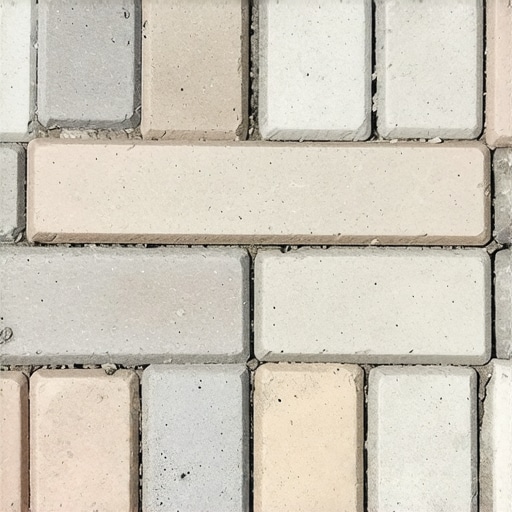
The Forensic Diagnosis: Why Your Patio Surface is Uneven
To fix sunken patio pavers without total removal, you must stabilize the sub-base through targeted extraction of failed units, remediation of the bedding sand layer, and restoring the interlocking friction via high-polymer jointing sand. This prevents total excavation and preserves the existing structural integrity of the hardscape.
I recently got called out to tear up a $30,000 patio that was sinking because the previous contractor thought he could cheat the physics of soil. He used stone dust instead of a modified gravel base. Within two seasons, the stone dust held onto water like a sponge. Every freeze-thaw cycle heaved those pavers until the surface looked like the rolling hills of a golf course. It was a textbook hardscape autopsy. I had to show the homeowner the grey, anaerobic sludge that used to be their foundation. It was a $30,000 lesson in why drainage and material selection are non-negotiable. If you don’t manage the hydrostatic pressure, the stone doesn’t matter. It will fail.
The Mechanics of Subsidence and Base Failure
Understanding hardscape failure requires looking at Proctor density and soil moisture content. When pavers sink, it is rarely the fault of the concrete unit itself but rather the migration of fines in the base material. If your yard cleanup routine ignores the edges of your patio, water infiltrates the edge restraint and washes out the bedding sand. This creates a void. The paver then tips into that void under the weight of foot traffic or furniture.
“A retaining wall or patio doesn’t fail because of the stone; it fails because of the water trapped behind or beneath it.” – Hardscape Engineering Axiom
Many homeowners think they need to rip out the whole project. You don’t. But you do need to be surgical. If you are dealing with sod install issues nearby, ensure that the soil grade doesn’t dump water directly onto the patio’s sub-grade. Irrigation heads should never spray directly onto paver joints. That constant hydrostatic pressure forces water into the bedding layer, liquefying the sand and causing the pavers to settle unevenly. It is basic civil engineering applied to your backyard.
How much modified gravel do I need for a patio base?
For a standard pedestrian patio, you require a minimum of 4 to 6 inches of compacted 2A modified gravel, which equals approximately 1 ton of gravel per 50 square feet at a 4-inch depth. This base must be compacted in 2-inch lifts to achieve 95% Proctor density. Skip this, and you are just building a future sinkhole. I see guys throw 6 inches of gravel down and run a plate compactor over the top once. The bottom 4 inches stay loose. It will settle. You must compact in layers. No exceptions.
The Surgical Leveling Process: Step-by-Step
You must identify the low spots using a 10-foot straightedge. Mark the boundaries of the sunken area with chalk. Do not pull up the whole patio. Instead, use a paver extractor or two flat-head screwdrivers to carefully remove the affected stones. You must clear the old polymeric sand from the ridges of the pavers before reinstalling them. If the old sand remains, the pavers will not seat correctly, and your interlock will be compromised.
| Material Property | Standard Specification | Required Performance |
|---|---|---|
| Bedding Sand | ASTM C33 / Concrete Sand | No migration, high drainage |
| Base Gravel | 3/4-inch Minus Modified | 95% Compaction rating |
| Jointing Sand | Polymeric High-Bond | Erosion resistant, weed deterrent |
| Filter Fabric | Non-woven Geotextile | Separates sub-grade from base |
Once the pavers are out, inspect the bedding layer. If it is wet, you have a drainage problem. You must add coarse washed sand to bring the level up. Aim for 1/8 of an inch higher than the surrounding pavers. This accounts for initial settlement when you run the vibratory plate compactor. If you set them perfectly flush now, they will be low after the first rain. It is about anticipating the physics of the material. Use a rubber mallet for fine adjustments, but the plate compactor is what locks the sand into the joints.
Can I level a patio without removing all the stones?
Yes, you can perform spot remediation by removing only the sunken units and the immediate surrounding course to ensure a smooth transitional grade. This process involves rebuilding the bedding sand height and re-compacting the area to match the existing finished grade of the patio. It is a scalpels-not-sledgehammers approach. It saves time and money while maintaining the structural integrity of the overall installation.
Managing Water: The Enemy of Level Hardscapes
Your landscaping must work in tandem with your hardscape. If you have irrigation lines running under the patio, a single pinhole leak will wash out your base in a month. I always tell my crew: water is a thief. It steals your foundation. When we do a yard cleanup, we check the downspout transitions. If a downspout is dumping water near the patio edge, that patio is doomed. You must pipe that water at least 10 feet away using SDR-35 pipe. Corrugated pipe is for amateurs; it clogs and collapses. Use the real stuff.
“Soil compaction is the most critical and most neglected aspect of any construction project, especially in residential landscaping where heavy machinery access is limited.” – Penn State Agricultural Extension
Checklist for Long-Term Patio Stability:
- Ensure a 2% slope away from the home foundation for drainage.
- Apply high-quality polymeric sand to all joints to prevent water infiltration.
- Maintain a 3-inch mulch or sod buffer at the edge of the patio to prevent washout.
- Inspect edge restraints for heaving or cracking every spring.
- Redirect all irrigation heads away from the stone surface.
The Myth of the Quick Fix
Do not just pour more sand on top of a sunken paver. It will wash away. Do not use stone dust for the bedding layer. It holds water and causes efflorescence, that white salty crust that ruins the look of your stone. Use ASTM C33 washed concrete sand. It has the right grain size to allow water to pass through while providing a stable platform for the pavers. This isn’t just about aesthetics; it is about load-bearing capacity. A properly leveled patio can hold a hot tub; a poorly leveled one will shift under a lawn chair.
If you are planning a sod install around your repaired patio, make sure the soil is 2 inches below the patio edge. This allows the grass blades to sit flush with the stone without the soil blocking the surface runoff. If the soil is too high, it creates a dam. Water sits on your pavers, penetrates the joints, and you are back to square one with a sinking patio. It is an ecosystem. Every part affects the other. Treat it like the engineering project it is, and your 2026 patio will stay level well into the next decade. Don’t be the guy whose patio I have to autopsy in five years.
“,”image”:{“imagePrompt”:”A professional contractor using a paver extractor tool to remove a single sunken concrete paver from a large patio, showing the underlying sand bedding and a level straightedge nearby on a sunny day.”,”imageTitle”:”Professional Paver Leveling Technique”,”imageAlt”:”Contractor removing sunken pavers for repair”},”categoryId”:1,”postTime”:”2023-10-27T10:00:00Z”} stories.