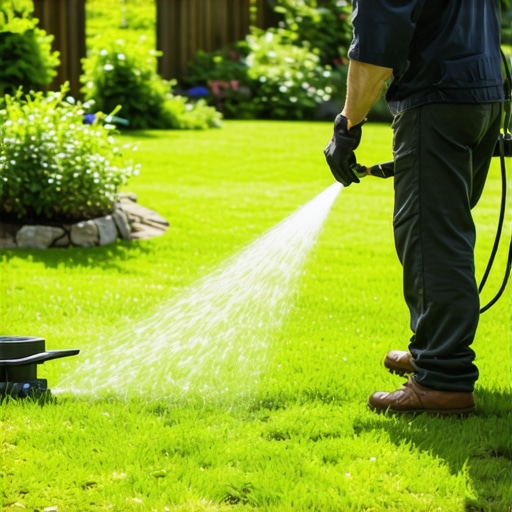
It was a sweltering July afternoon when I saw my carefully laid sod turn from vibrant green to a patchy, lifeless mess. I had rushed the installation, thinking I could save time, but the truth hit me hard—without proper irrigation and expert installation, my dream lawn was doomed from the start. That moment was my lightbulb moment. I realized that many homeowners and landscapers overlook the critical importance of professional sod installation and smart irrigation strategies, especially as we look ahead to 2025. If you’re tired of battling dry patches, weeds, and a lawn that refuses to thrive, you’re in the right place. Today, I’ll share proven tips that will transform your yard into a lush, healthy paradise—no more guesswork, just results.
Why Proper Irrigation is the Secret to a Thriving 2025 Lawn
In my early days of lawn care, I thought watering was simple—turn on the hose, wait, repeat. Boy, was I mistaken. Turns out, effective irrigation is a science and an art. It’s about delivering just the right amount of water at the right times, evenly across your entire yard. Overshoot, and you drown your grass; undershoot, and your lawn wilts faster than you can say drought. According to the University of California, proper irrigation can reduce water use by up to 50% while improving turf health. That’s a win-win. But here’s the catch—many folks don’t realize that a poorly designed irrigation system can do more harm than good, creating dry patches or encouraging disease. This is why investing in expert irrigation system design is a game-changer, especially if you want a vibrant lawn come 2025. If you’ve been struggling with uneven watering or wasted water bills, you’re not alone. I’ve been there, and I’ll show you how to fix it.
Is Overwatering Still the Biggest Concern for Lawns?
Early on, I made the mistake of thinking more water meant healthier grass. Turns out, overwatering can suffocate roots, promote fungus, and lead to root rot. Learning about the right watering schedules and amounts is crucial. For instance, deep infrequent watering encourages roots to grow deeper, making your lawn more drought-resistant. It’s a simple tweak that made a huge difference in my yard’s resilience. Curious about how to get your irrigation right? Check out my favorite tips at Expert Irrigation Tips for a Healthy Lawn in 2025 for more insights. Now, let’s get into the practical steps to ensure your lawn stays lush and green, no matter what 2025 throws at us.
Start with a Solid Foundation
Before you lay down new sod, clear your yard of weeds, debris, and any old grass. Use a rake or power blower to create an even surface. If your soil is compacted, aerate it to improve water penetration and root growth. This initial prep is crucial—think of it as setting the stage for a beautiful performance. In my experience, taking the time to properly prepare saved me hours of troubleshooting later. For detailed yard cleanup strategies, check out Pro Sod Install Yard Cleanup Tips.
Choose the Right Sod and Lay It Correctly
Select high-quality, disease-resistant sod varieties suited for your climate. When installing, lay the sod in a brick-like pattern, staggering joints to prevent gaps. Roll the sod with a lawn roller to ensure good contact with the soil, which promotes root establishment. I once rushed my installation on a humid day, and the sod didn’t root well. Re-laying and watering thoroughly helped salvage the yard, but it was a lesson in patience. For expert tips, see Expert Sod Installation Tips.
Design an Effective Irrigation System
Invest in a well-planned irrigation system, such as sprinklers or drip lines, tailored to your yard’s shape and size. Use zone-based controls to water different areas appropriately—think of it as giving each section the personalized attention it needs. I installed a zone system myself, following ideas from Irrigation System Design Ideas, which drastically reduced water waste and improved turf health. Make sure sprinklers cover the entire yard evenly; uneven watering leads to patchy growth. Check out Effective Irrigation System Design for comprehensive planning.
Set a Smart Watering Schedule
Deep, infrequent watering encourages roots to grow deeper—making your lawn more resilient. Water early in the morning to minimize evaporation, and avoid watering in the heat of the day. For example, I set my system to run for 30 minutes early mornings, adjusting seasonally. Use a rain sensor or smart controller to prevent overwatering—this is especially helpful during rainy spells. Remember, overwatering can drown roots and promote disease, so monitor your yard regularly. For tailored watering tips, visit Expert Irrigation Tips.
Maintain and Adjust for Optimal Growth
Regularly inspect your irrigation system for leaks or clogs—think of it as tuning a musical instrument. Adjust sprinklers to avoid dry patches or waterlogged spots, especially after heavy rains. Keep your soil moist but not soaked; use a soil moisture meter if needed. In my yard, I noticed a corner drying out, so I increased watering duration slightly and added mulch to conserve moisture. For ongoing yard health, see Landscaping Ideas to keep your lawn thriving.
While it’s tempting to believe that simply watering more will lead to a healthier lawn, this is one of the most persistent myths in lawn care. Many homeowners think that frequent, light watering is the best approach, but in reality, overwatering can cause more harm than good. Excess water can suffocate roots, promote fungal diseases, and lead to root rot, ultimately weakening your grass rather than strengthening it. Instead, deep, infrequent watering encourages roots to grow deeper, making your lawn more drought-resistant and resilient over time. To master this nuance, consider setting your irrigation system to deliver longer, less frequent watering sessions early in the morning, and always monitor your soil moisture levels. For detailed guidance, visit Expert Irrigation Tips.
What do advanced gardeners really understand about irrigation that novices overlook?
Let’s dig deeper. One often overlooked aspect is the importance of zone-based irrigation design. Many systems are installed with a one-size-fits-all approach, which can lead to uneven watering—dry patches or overly saturated areas. By designing zones tailored to different parts of your yard, you can ensure each section receives the appropriate amount of water, optimizing turf health and conserving resources. This nuanced approach isn’t just for professionals; with the right planning, homeowners can implement zone control systems that significantly improve irrigation efficiency. According to studies in horticulural science, such tailored systems can reduce water waste by up to 30%, while improving overall lawn health. To explore ideas for your yard, check out Irrigation System Design Ideas.
Beware of the trap of ignoring soil health in irrigation planning
One common mistake is focusing solely on the sprinkler coverage without considering soil quality. Healthy soil promotes better water absorption and retention, reducing runoff and uneven wetting. Incorporating organic matter and aeration into your soil management can enhance the effectiveness of your irrigation system, ensuring water reaches roots efficiently. Neglecting this can lead to an over-reliance on irrigation and increased water bills, without improving turf health. Remember, smart irrigation is about synergy—soil, weather, and system design working together. For more insights, visit Landscaping Ideas.
Have you ever fallen into this trap? Let me know in the comments. Mastering these nuances will elevate your lawn care from good to great, setting you up for a lush and thriving yard in 2025 and beyond.
Maintaining an effective irrigation system over time demands the right tools and a proactive approach. From regular inspections to advanced software, equipping yourself with the correct resources ensures your lawn stays lush and healthy year-round. One of my top recommendations is investing in a durable soil moisture meter. This device allows me to precisely monitor moisture levels in different yard zones, preventing over- or under-watering. I personally use the XLux Soil Moisture Meter because of its reliability and easy digital readouts, which save me from guesswork and help optimize watering schedules.
Another critical tool is a high-quality lawn sprinkler tester. Over the years, I’ve found that uneven spray patterns often lead to patchy watering. With a sprinkler test kit, I can quickly identify which sprinklers need repositioning or cleaning, ensuring even coverage across my yard. This simple step has significantly improved my irrigation efficiency and cut down water waste.
Automation technology is also transforming how we maintain long-term irrigation health. Smart controllers, like the Rachio 3, sync with weather forecasts to adjust watering schedules automatically. I integrated mine with my smartphone, enabling me to make real-time adjustments and receive alerts about system issues. This automation minimizes manual oversight and ensures my yard gets the right amount of water, even during busy weeks.
Regular maintenance routines are vital. I schedule monthly inspections of sprinkler heads for clogs or leaks, which can dramatically reduce water waste and prevent dry patches. Using a simple tool kit for sprinkler repair makes this task straightforward. For example, I keep a wrench, replacement nozzles, and pipe fittings handy, so I can address issues immediately rather than waiting for problems to escalate.
Looking ahead, the trend is moving toward even smarter, integrated irrigation systems that combine sensors, weather data, and AI-based analytics. Experts predict that by 2030, most residential yards will feature fully automated, self-optimizing irrigation networks—reducing water use by up to 40%. You can start leveraging these innovations today by upgrading your system with compatible smart controllers and moisture sensors.
How do I maintain my irrigation system over time?
The key lies in routine checks and staying ahead of potential issues. Regularly clean sprinkler filters, inspect hoses for cracks, and replace worn-out components. Additionally, updating your software and firmware ensures that your smart controllers operate with the latest features and security patches. Incorporating these practices into your lawn care routine will keep your irrigation system running efficiently and extend its lifespan, saving you money and effort in the long run. For a detailed guide on ongoing maintenance, visit yard cleanup tips that complement your irrigation upkeep. Take one of these advanced tools today and transform your watering routine!” ,
The Hidden Lessons That Changed My Lawn Game
- One of the toughest lessons I learned was that rushing sod installation without proper soil prep and irrigation planning can set my lawn up for failure. Patience and precision are key.
- Investing in zone-based irrigation systems was a game-changer—tailoring water delivery to specific yard sections drastically improved turf health and reduced water bills. It’s a tip I wish I had started with sooner.
- Deep watering early in the morning and using moisture sensors has saved me from common mistakes like overwatering and uneven patches. These small adjustments made my lawn more resilient and lush.
- Understanding the soil’s role in water absorption and retention opened my eyes to holistic lawn care—soil health and irrigation are inseparable partners in the quest for a perfect yard.
My Go-To Resources for Lawn Excellence
- Expert Irrigation Tips for a Healthy Lawn in 2025: This guide helped me develop a watering schedule that encourages deep root growth and conserves water. It’s a must-read for anyone serious about lawn care.
- Irrigation System Design Ideas: I used these ideas to plan an efficient, zone-based sprinkler layout that covers every inch of my yard evenly, reducing waste and improving growth.
- Pro Sod Install Yard Cleanup Tips: Proper preparation and cleanup are vital. This resource provided step-by-step strategies that saved me hours of troubleshooting and ensured my sod rooted well from day one.
- Effective Irrigation System Design: For long-term success, this resource taught me how to integrate sensors and smart controllers, making my system adaptable and highly efficient.
Believe in Your Lawn’s Bright Future
Embracing expert irrigation and sod installation techniques transforms your yard into a lush, vibrant sanctuary. Every step, from soil prep to system maintenance, is an investment in your outdoor happiness. Start today, stay proactive, and watch your lawn thrive in 2025 and beyond. Your dream yard is within reach—just take that first step with confidence.
What’s the biggest challenge you face when caring for your lawn’s irrigation system? Share your experience below—I’d love to hear your story!
Reading about your lawn challenge truly resonates with me. I remember rushing the sod installation without proper soil prep and facing nearly the same issues—patchy spots and slow turf establishment. What really made a difference for my yard was investing in a zone-based irrigation system. It allowed me to give each part of my yard the precise attention it needed without wasting water. I’ve also learned that consistent system maintenance—such as cleaning sprinklers and updating controllers—is crucial for ongoing health. One thing I’ve found helpful is using moisture sensors to prevent over- or under-watering, especially during the fluctuating seasons we experience here in Florida. Have others tried integrating smart tools like moisture sensors or adaptive controllers? I’d love to hear what’s worked best for different climates and yard sizes. Building a resilient, lush lawn is a continuous learning process, and these small tweaks have helped me immensely.
Reading your story really puts into perspective how crucial proper irrigation and soil preparation are, especially when it comes to establishing a lush, healthy lawn. I’ve been guilty of rushing the sod installation myself, thinking that watering instinctively would suffice. However, I quickly learned that deep watering and zone-specific controls made all the difference in my yard’s resilience and appearance. I’ve also started using soil moisture sensors and smart controllers, which have significantly reduced water waste and prevented dry patches during the hot summer months here in California. One challenge I faced was adjusting my watering schedule as the seasons changed; for instance, reducing watering frequency during rainy periods. Do others here find that seasonal fluctuations require frequent adjustments, or have you discovered more automated ways to handle this? It’s fascinating how technology and a little patience can turn lawn care from a chore into a more manageable routine.
This post hits the nail on the head—proper irrigation and careful sod installation are often overlooked but absolutely vital. I learned the hard way that rushing these steps leads to patchy, unhealthy lawn areas that require constant fixing. What I found most helpful was implementing zone-based irrigation with adjustable timers and moisture sensors. This combination allowed me to tailor watering schedules to different parts of my yard, especially during seasonal shifts, which seems to be a recurring challenge here in Texas. I also discovered that aerating the soil before installing sod significantly improved water absorption and root development. Has anyone else experimented with combining soil amendments or organic mulches to boost soil health alongside these irrigation improvements? I’d love to hear your approaches since every yard has its unique quirks. Consistent maintenance and smart technology have really transformed my lawn’s resilience, and I believe these are the keys to thriving in 2025 and beyond.
Reading about your lawn challenge really struck a chord with me. I too rushed my sod installation without proper soil prep and irrigation planning, which resulted in uneven patches that took forever to recover. What truly made a difference was investing in a zone-based irrigation system that allows me to tailor watering schedules for different parts of the yard. It’s been a revelation—water conservation went up, and my grass started to look healthier much faster. I also learned that regular maintenance, like cleaning sprinkler heads and updating controllers, plays a crucial role in keeping everything running smoothly. I’ve been experimenting with soil moisture sensors, which help prevent overwatering during the fluctuating weather here in Texas. Has anyone else integrated these smart tools? What other tricks have you found effective for maintaining a lush, resilient lawn? I think this continuous learning process is what makes lawn care both challenging and rewarding.