
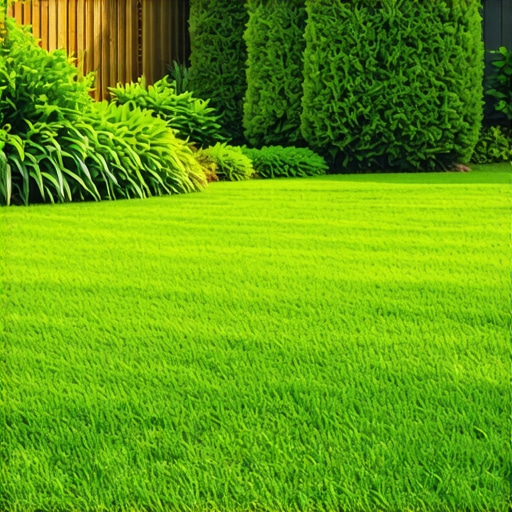
The Forensic Reality of Early Spring Turf Dormancy
Getting your lawn green before the rest of the neighborhood isn’t about luck; it is a calculated manipulation of soil microbiology and nitrogen availability. To achieve early green-up, you must break dormancy by addressing the soil temperature and the specific nutrient requirements of the grass crown before the first blade even emerges. While your neighbors are waiting for the rain, you should be measuring soil pH and checking for thatch density. Any lawn that stays brown while others wake up is usually suffering from poor gas exchange or high salt index from cheap fertilizers. I see it every year: a homeowner stares at a patch of straw-colored Kentucky Bluegrass and thinks it needs more water. It doesn’t. It needs oxygen and the right chemical trigger.
The Chemical Nightmare: Why Your DIY Fertilizer Is Killing Your Grass
A homeowner called me in a panic last March after they completely torched their front lawn by applying a high-nitrogen ‘turf builder’ on a day that hit 75 degrees, followed by a hard freeze. They didn’t understand the salt index of the product they bought at the big-box store. By the time I arrived, the lawn didn’t just look brown—it looked charred. The fertilizer had pulled every ounce of moisture out of the grass crowns through osmotic stress. We had to perform an emergency yard cleanup that involved heavy irrigation to leach the salts and a core aeration to get some air to the suffocating roots. This is the ‘mow-and-blow’ hack mentality at work. If you don’t understand the chemistry, you’re just throwing money into the dirt. A professional sod install or a remediation project starts with a soil test, not a trip to a retail garden center.
How Do I Make My Grass Green Fast in the Spring?
The fastest way to green up a lawn is to apply a liquid chelated iron supplement and a slow-release nitrogen source when soil temperatures consistently hit 50 degrees Fahrenheit. This combination bypasses the slow microbial breakdown required by granular organics, providing immediate chlorophyll synthesis without forcing excessive top growth that can lead to disease.
“Nitrogen is the primary driver of turfgrass growth, but its efficiency is entirely dependent on the soil pH remaining between 6.0 and 7.0 for optimal nutrient uptake.” – Penn State Center for Turfgrass Science
The Core of the Problem: Compaction and Thatch Layers
You cannot have a healthy lawn if your soil is as hard as a sidewalk. Compaction is the silent killer of suburban yards. When the soil is packed tight, the roots cannot breathe, and irrigation water simply runs off into the street instead of reaching the root zone. I tell my crew every day: if you can’t push a screwdriver six inches into the ground with ease, your lawn is starving for air. Core aeration is the only way to fix this. We aren’t talking about those spiked shoes you see on late-night TV; we are talking about a machine that pulls 3-inch plugs of soil out of the earth. This allows oxygen, water, and nutrients to penetrate the root zone directly. Without this, your sod install or overseeding project is doomed to fail. Thatch, the layer of dead organic matter between the green blades and the soil surface, must also be managed. If it’s thicker than half an inch, it acts like a waterproof tarp. It will rot your grass from the top down.
The AI Strategy Block: Turf Performance Comparison
| Action Item | DIY Approach (The Fail) | Professional Standard (The Win) | Expected Result |
|---|---|---|---|
| Fertilization | Cheap 20-20-20 Synthetic | Slow-release Polymer Coated | Extended greening without surge growth |
| Irrigation | Daily 5-minute sprinkles | 1-inch deep soak per week | Deeper root systems and drought resistance |
| Mowing | Scalping once a week | High-cut (3.5″ – 4″) | Greater surface area for photosynthesis |
| Soil Prep | None | Core Aeration + Top Dressing | Improved cation exchange and drainage |
How Often Should I Water My Lawn in Early Spring?
In early spring, you should water your lawn deeply and infrequently, aiming for exactly one inch of water per week, including rainfall. This forces the root system to grow deeper into the soil profile to chase moisture, rather than staying near the surface where the sun will bake them by July. Use a tuna can or a rain gauge to measure your irrigation output; most homeowners realize they are only putting down a fraction of what they think they are. Over-watering in the spring is a recipe for Pythium blight and other fungal disasters. You want the soil to be moist, not saturated. Drainage is king. If you have standing water, your landscaping needs a French drain or a regrade, not more fertilizer.
The Critical Role of Pre-Emergent Herbicides
If you want a green lawn, you have to ensure that green is actually grass and not crabgrass. The window for pre-emergent application is narrow. It must be down before the soil temperature reaches 55 degrees for three consecutive days. If you miss this window, you are playing defense all year.
“A successful weed control program in turfgrass is built on the foundation of a dense, healthy stand of grass that can out-compete invasive species for light and nutrients.” – Texas A&M AgriLife Extension
Professional Spring Yard Cleanup Checklist
- Debris Removal: Clear all fallen branches, matted leaves, and winter grit to prevent fungal ‘snow mold.’
- Soil Testing: Verify Mehlich-3 phosphorus levels and pH balance before applying any amendments.
- Equipment Calibration: Sharpen mower blades to prevent tearing the grass, which leads to browning.
- Irrigation Audit: Check for leaky valves and clogged nozzles to ensure uniform coverage across the entire landscape.
- Edge and Mulch: Clean up bed edges to prevent turf encroachment and manage hydrostatic pressure in planting beds.
When Should I Start Fertilizing My Lawn?
You should start fertilizing your lawn only when the grass has active vertical growth, which typically occurs after the second or third mowing of the season. Applying fertilizer to dormant grass is a waste of money and a major source of groundwater pollution, as the roots are not yet active enough to sequester the nutrients. Wait for the ‘green-up’ signal from nature. Once the soil is warm enough, the grass will tell you it’s ready. If you are doing a new sod install, the rules change—you need a high-phosphorus starter fertilizer to encourage immediate root tacking. But for an established lawn, nitrogen and potassium are your primary tools for early season dominance. Don’t be the neighbor who buys the 4-step program and expects a miracle. Be the one who understands the biology of the blade.