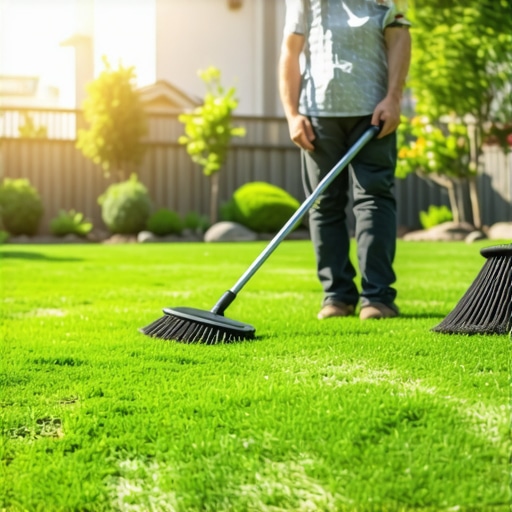
One spring morning, I stepped outside to admire my backyard and was greeted by a sea of weeds, patchy grass, and dead patches that made my garden look more like a disaster zone than a lush paradise. It hit me then—my previous attempts at yard cleanup and sod installation had been more about rushing through the motions than understanding what truly makes a yard thrive. I realized that without a strategic approach, my efforts were just a temporary fix, and I was destined for the same disappointing results every season.
Why a Solid Plan Makes All the Difference in 2025
In my journey toward a vibrant, healthy lawn, I discovered that the key isn’t just about throwing down new sod or trimming the yard. It’s about understanding the underlying principles of soil health, irrigation, and maintenance. A well-executed yard cleanup sets the stage for successful sod installation. Skipping this step or rushing it can lead to weeds re-seeding, poor root development, and wasted effort. Trust me, I’ve been there—early on, I made the mistake of ignoring the importance of comprehensive yard prep, which led to patchy growth and frustration.
Fast forward to today, and I’m here to share what truly works. Whether you’re starting fresh or giving your yard a much-needed refresh, mastering these techniques can mean the difference between a lush garden and a constant battle with weeds and brown patches. Ready to transform your outdoor space into a vibrant oasis? Let’s dive into the essential strategies that will elevate your yard work in 2025 and beyond.
Is Sod Installation Really Worth the Hype?
One of the biggest doubts I had when I first considered sod was whether it was worth the investment. I feared it would just be a quick fix that wouldn’t last. But I learned that with proper installation and ongoing care, sod can provide instant greenery and a sturdy foundation for a thriving lawn. A common mistake I made early on was neglecting to prepare the soil properly—something I now know is crucial. To avoid this, I recommend checking out expert sod install and irrigation tips to ensure your project starts on the right foot.
In the sections ahead, I’ll guide you through proven steps for yard cleanup and sod installation that will give your garden that envy-worthy look. Whether you’re a seasoned gardener or just starting out, these tips will help you craft a yard that’s both beautiful and sustainable. So, let’s get to work and make 2025 the year your garden truly shines!
,
Clear the Surface and Tackle Debris
Start by removing all debris, fallen leaves, and dead plants. Use a sturdy rake to break up compacted soil and loosen the top layer. When I did this last spring, I spent a Saturday clearing out a mess of twigs and old mulch, which made a huge difference in how the new sod took root afterwards. Think of it like preparing a canvas before painting—clean, smooth, ready for the new layer.
Test and Improve Soil Health
Next, test your soil’s pH and nutrient levels. I used a simple kit from my local garden center, and discovered my soil was too acidic. I amended it with lime, which I spread evenly across the yard. This step is crucial because healthy soil acts like a nutrient-rich buffet for your new sod. For detailed soil improvement tips, check out expert yard cleanup and soil prep strategies.
Level and Grade Your Yard Properly
Use a level or a long board and a garden rake to create a gentle slope away from your house—avoid pooling water or uneven patches. I once spent hours leveling my backyard, and it paid off when the sod laid flat and rooted evenly. Proper grading prevents water from accumulating, which can rot roots or cause weeds to thrive. Think of this step as setting the foundation for a house—without it, everything else could crumble.
Apply Soil Amendments and Fertilizer
Mix in compost or quality topsoil to enrich the existing soil. I tilled in compost, which improved drainage and provided vital organic matter. Follow this with a starter fertilizer high in phosphorus to promote root growth. This combination creates an optimal environment for your sod to establish quickly and healthily. For specific product recommendations, visit expert sod and fertilization tips.
Prepare and Lay the Sod
Measure your yard carefully, then cut the sod into manageable strips. When I installed my sod, I staggered the seams like bricks, ensuring no straight lines ran across the yard, which minimized gaps. Lay each piece tightly against the next and press down firmly. Think of laying sod like laying bricks—alignment and tight fit matter for stability and appearance. Always water the sod immediately after laying to help it settle and begin rooting.
Watering and Maintenance
Set a consistent watering schedule—initially twice daily for the first week, then gradually reduce frequency. I used a soaker hose system recommended by expert irrigation tips to ensure even moisture. Keep the sod moist but not waterlogged, and avoid heavy foot traffic for the first few weeks. Regular mowing at the right height keeps the lawn healthy and encourages dense growth. Remember, a lush yard requires patience and consistent care, but the payoff is worth every effort.
Many homeowners believe that simply laying down sod and giving it a quick watering will guarantee a lush, green lawn. However, this common myth overlooks the intricacies of soil preparation, root establishment, and ongoing maintenance. In reality, the success of your yard transformation depends on understanding these nuances and avoiding straightforward misconceptions.
One widespread mistake is assuming that soil quality doesn’t significantly impact sod health. People often think that sod can thrive regardless of soil conditions, but studies show that soil pH and nutrient levels play a crucial role in root development and turf resilience. For example, a report from the University of California suggests that adjusting soil pH before installation can enhance sod establishment and reduce weed invasion (see expert tips here).
Why do many get caught off guard by weeds after laying sod?
This often stems from neglecting the initial yard cleanup and soil testing stages. Weeds tend to seed quickly on disturbed soil, and without proper removal and preparation, they can reappear within weeks. It’s a trap many fall into by rushing into sod installation without thorough surface clearing or soil amendment. The key is to treat yard cleanup as an essential step, not an optional chore. Check out professional advice on yard cleanup here.
Another misconception involves watering practices. Some believe that heavy, infrequent watering is best for sod; in contrast, consistent moisture with proper irrigation promotes deeper root growth. Overwatering, however, can lead to root rot or fungal issues, which are often overlooked. Advanced watering strategies, such as drip irrigation systems, help maintain ideal moisture levels and prevent common pitfalls. For more on irrigation design, visit this comprehensive guide.
In my experience, understanding these finer points transforms a basic yard project into a sustainable, thriving landscape. Don’t fall into the trap of oversimplification—master the soil, prepare thoroughly, and implement advanced irrigation techniques. Doing so ensures your lawn will flourish well beyond the first season.
Have you ever fallen into this trap? Let me know in the comments.
Investing in the Right Equipment for Long-Term Success
Maintaining a vibrant lawn over time requires not just knowledge but also the right tools. Personally, I swear by a high-quality dethatching rake because it helps remove thatch buildup without damaging the soil or roots. This simple step, often overlooked, drastically improves water penetration and nutrient absorption. For larger yards, a motorized dethatcher can save hours of manual labor and ensures a more thorough cleanup, which is essential before fertilizing or overseeding.
Another game-changer in my routine is a durable garden sprayer. I prefer a backpack model with adjustable pressure because it allows me to apply fertilizers and soil amendments evenly, avoiding patchy growth or runoff. Consistent, accurate application is key to long-term lawn health, especially when dealing with soil pH adjustments or targeted pest control. Modern sprayers with built-in filters help prevent clogging and ensure a smooth, even spray, making routine maintenance more efficient.
How do I maintain my yard over time for sustained growth?
Regular mowing with a sharp, adjustable mower keeps grass at optimal height, preventing disease and promoting dense growth. I recommend setting your mower blades to a height of about 3 inches, which encourages deeper root systems and helps the lawn resist drought. Pair this with a precise soil moisture monitoring system, like a smart irrigation controller, which adjusts watering schedules based on real-time weather data. This prevents over- or under-watering, saving water and reducing disease risk.
For soil health, I rely on a soil test kit from a reputable provider to monitor pH and nutrient levels throughout the year. Based on these readings, I apply tailored amendments, such as lime for acidity or specific fertilizers for nitrogen deficiency. Consistency in these practices ensures your yard remains resilient and lush, even under challenging weather conditions.
The Power of Smart Irrigation Systems
In my experience, investing in a smart irrigation system offers long-term benefits. These systems leverage weather forecasts and soil moisture sensors to optimize watering times and amounts. I installed a drip irrigation network controlled via an app, which I program to water early in the mornings or late evenings. This minimizes evaporation and fungal issues. As technology advances, I predict smart systems will become more autonomous, adjusting themselves based on microclimates within your yard—think of it as having a personal lawn care assistant.
When scaling your yard maintenance, consider modular irrigation setups that can expand with your garden. For example, zone-specific controllers allow you to customize watering for flower beds, lawns, and vegetable patches. This targeted approach conserves resources and promotes healthier plant development across your entire landscape.
Where do I find reliable tools and resources?
For expert advice and top-notch equipment, I recommend visiting this resource on professional landscaping tools. It offers detailed reviews and tips tailored to homeowners aiming for a thriving yard. Don’t forget to try out a soil moisture sensor or a programmable sprinkler system—these tools can dramatically improve your yard’s health and reduce maintenance time over the years.
In conclusion, the secret to keeping your yard working for you is investing in quality tools and embracing innovative techniques. Regular maintenance, combined with smart technology, ensures your lawn remains lush and resilient for years to come. Start with a reliable dethatcher and a smart irrigation controller, and you’ll be well on your way to a beautiful, sustainable landscape in 2025.
Lessons That Changed My Yard Game
- Never underestimate the power of soil testing. I once skipped this step thinking I could just lay sod and it would thrive. The result was patchy grass and weeds taking over. Now I see soil health as the foundation of any lush yard.
- Preparing the surface is like laying a good foundation for a house. A thorough yard cleanup and leveling made my sod lay flat and root faster, saving me time and frustration later on.
- Smart irrigation systems are worth the investment. I used to overwater or underwater, leading to fungal issues or brown patches. Now, with a weather-aware drip system, my lawn stays perfect with minimal effort.
- Consistent maintenance beats quick fixes. Mowing at the right height, fertilizing properly, and regular aeration keep my yard resilient season after season. It’s about creating a sustainable routine, not just a one-time project.
Tools and Resources That Made a Difference
- Professional soil test kits. Trustworthy and easy to use, they give me the insights needed to amend my soil correctly. I recommend checking out expert soil testing tips for reliable results.
- High-quality dethatching rake. Essential for removing thatch buildup, which I’ve found improves water absorption and root growth. For larger yards, I rely on a motorized version that saves hours.
- Smart irrigation controllers. These devices adapt watering schedules based on weather data, saving water and keeping my lawn healthy. I personally use models recommended in irrigation design guides.
- Fertilizer and soil amendments from trusted brands. Consistent feeding with quality products has transformed my yard’s resilience. I follow advice from top fertilization tips.
Take Action and Grow Your Dream Yard
Transforming your yard in 2025 is within reach—start with a detailed plan, invest in the right tools, and commit to ongoing care. Whether you’re planting new sod or rejuvenating an old lawn, remember that patience and precision pay off. Your outdoor space can become a lush sanctuary that boosts curb appeal and your well-being. Are you ready to implement these insights and see your yard flourish? Share your biggest challenge below, and let’s grow together!”},