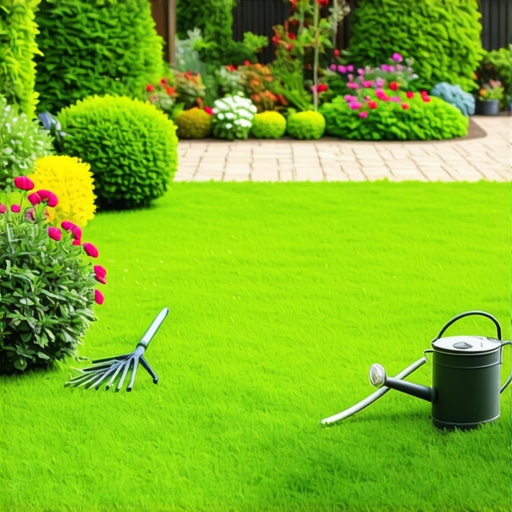
Ever looked out at your yard and felt a pang of disappointment? Maybe it’s the overgrown weeds, patchy grass, or the stubborn clutter that just won’t go away. I remember my own wake-up call last spring when I finally realized that neglect had turned my outdoor sanctuary into a bit of a jungle. That lightbulb moment made me understand one thing: without proper yard cleanup and landscaping, even the most beautiful garden ideas can fall flat.
Why Getting Your Yard Ready Matters More Than Ever in 2025
Let’s be honest. A stunning garden isn’t just about planting pretty flowers or laying down new sod. It’s about creating a healthy, vibrant space that reflects your personality and boosts your curb appeal. And with the rising costs of home renovation and landscaping, doing it right the first time saves you money and frustration.
In fact, experts say that a well-maintained yard can increase your property’s value by up to 15%. But beyond the numbers, a tidy and thoughtfully landscaped yard makes your outdoor moments more enjoyable—whether it’s hosting family barbecues or just relaxing with a good book. The key is knowing the right steps to clear out the chaos and lay a solid foundation for growth.
Is Yard Cleanup Really Worth the Hype
When I first started, I thought I could skip the tedious cleanup and jump straight into planting. Spoiler alert: that was a mistake. I ended up spending more time fixing issues caused by neglect—diseased plants, uneven soil, and clogged drains. Early on, I learned that skipping proper yard cleanup can lead to wasted effort and even costlier repairs down the line. According to professional landscapers, neglecting foundational cleanup can diminish your garden’s health and beauty faster than you think. So yes, the hype is real. Proper cleanup is the secret behind a lush, thriving garden.
If you’ve faced similar frustrations, don’t worry—you’re not alone. The good news is, with a clear plan, you can turn your yard into a masterpiece. And I’ll show you exactly how to do it, step by step, in the upcoming sections. Ready to transform your outdoor space into a stunning 2025 garden? Let’s dive into the essentials that will make your yard the envy of the neighborhood.
Start with a Clear Plan
Before grabbing your tools, sketch out a plan to identify what needs immediate attention and what can wait. Think of it like designing a blueprint for a house; knowing the layout helps you work efficiently. Last spring, I made the mistake of jumping straight into trimming without a plan. I ended up cutting back plants I wanted to keep and missing overgrown areas. After that mess, I sat down and mapped out my yard, dividing it into zones. This simple step saved me hours and kept me focused on priorities.
Remove Debris and Clear the Clutter
Begin by raking leaves, gathering fallen branches, and removing any trash. Use a leaf blower or rake to gather debris, then dispose of it properly. Clearing the clutter acts like opening a blank canvas—giving you space to work and preventing pests and diseases from taking hold. I once left a pile of old garden furniture in the corner, which became a breeding ground for pests. Once I removed it, the yard looked immediately cleaner and healthier. For large debris, consider renting a dumpster or scheduling a pickup.
Prune and Trim with Precision
Trimming overgrown bushes and dead branches encourages healthy growth. Use sharp pruning shears or a lopper for thick branches, and always prune back to healthy wood. Think of pruning as giving your plants a haircut—removing the straggly bits to promote new, lush growth. I once pruned a rose bush too aggressively, which delayed flowering, but now I understand the importance of gentle, strategic cuts. Proper pruning also improves airflow and reduces disease risk. Check out yard cleanup landscaping ideas for detailed techniques.
Edge and Mow the Lawn
Use an edger or a string trimmer to define clean borders along flower beds, walkways, and patios. Mow the grass at the appropriate height for your grass type—usually around 2.5 to 3 inches. This tidy appearance boosts curb appeal instantly. I remember the first time I edged my lawn; the crisp lines made my yard look professionally maintained. Regular mowing and edging prevent weeds from invading and keep your yard looking sharp. For a lush, even lawn, consider sod installation strategies.
Address Soil Health
Test your soil to determine pH and nutrient levels. Amend the soil with compost or organic matter to improve aeration and fertility. Healthy soil is the foundation of a thriving garden. I once skipped this step and planted in poor soil, resulting in weak plants that struggled to grow. After a soil test revealed nutrient deficiencies, I added compost, and the difference was night and day. This step prepares your yard for planting new grass, shrubs, or flowers. For irrigation and soil care, see irrigation solutions for a lush lawn.
Plan and Install Irrigation System
A proper irrigation system ensures your yard stays hydrated without overwatering. Consider drip lines for flower beds and sprinklers for lawns. Use a timer to automate watering schedules, conserving water and time. I installed a simple sprinkler system last summer, which kept my grass green during dry spells. Proper irrigation prevents drought stress and promotes healthy growth. For expert insights, visit irrigation tips. This investment pays off by reducing manual watering efforts and ensuring consistent moisture levels.
Lay New Sod or Grass Seed
If your lawn is patchy or worn out, consider laying new sod or overseeding. Sod provides instant results, while overseeding gradually fills in bare spots. Prepare the soil by leveling and removing debris, then water thoroughly. When I installed sod, I used top sod installation tips to ensure a seamless transition. Keep the area moist until the grass establishes. This step transforms your yard from tired to vibrant, ready for outdoor activities.
Final Touches and Ongoing Maintenance
Add mulch around plants to retain moisture and suppress weeds. Plant colorful flowers and shrubs to add visual interest. Regularly inspect and maintain your irrigation system, mow, and prune to keep your yard in top shape. Continuous care like this turns a one-time cleanup into a lasting transformation. For creative ideas on landscaping, check out yard landscaping ideas.
Many homeowners walk into yard cleanup and landscaping with misconceptions that can lead to costly mistakes and subpar results. As an expert, I’ve seen how these myths can hinder progress and even damage your garden’s health. Let’s dig deeper into some of the most common misunderstandings and reveal the hidden nuances that can make or break your outdoor project.
Why Cutting Corners Usually Backfires
One prevalent myth is that skipping detailed soil testing or rushing through debris removal saves time and money. In reality, neglecting soil health can cause your plants to struggle, leading to weaker growth and higher long-term costs. For example, skipping a soil test can mean missing essential adjustments to pH or nutrients, which significantly impacts plant vitality. To avoid this trap, consider investing in a soil analysis early on. Properly amending your soil with organic matter like compost can improve aeration and nutrient retention, setting a strong foundation for your landscape. For detailed guidance, check out expert irrigation solutions.
Advanced Mistake: Over-pruning and Under-pruning
Another misconception is that more pruning always leads to better growth. While pruning is essential, overdoing it can stress plants, especially flowering shrubs and trees. Conversely, neglecting pruning can result in disease and poor airflow. The nuanced approach involves understanding each plant’s specific needs—some require light, frequent trims, while others thrive with minimal intervention. For instance, I once pruned a flowering shrub too aggressively, which delayed blooming. Now, I follow the principle of strategic pruning—removing only dead or diseased branches and shaping the plant to promote healthy growth. Mastering this balance ensures your plants stay healthy and vibrant. For tips on precise pruning, visit yard cleanup ideas.
Can You Really Save Money by Doing Everything Yourself?
Many believe that DIY yard cleanup is always cheaper than hiring professionals. While this can be true for small tasks, complex projects like sod installation or irrigation system setup often require specialized tools and expertise. Mistakes in these areas can lead to uneven lawns, water wastage, or system failures that cost more to fix later. For example, improper sod installation can result in poor root establishment, causing patches and more weed invasion. A better approach is to assess your skill level honestly and consider professional help for critical steps. You might find that outsourcing certain tasks saves time, money, and headache in the long run. To learn about professional strategies, see top sod installation strategies.
Have you ever fallen into this trap? Let me know in the comments. Remember, understanding these hidden nuances can elevate your yard from average to extraordinary, making each dollar and hour spent truly worthwhile. By avoiding these common pitfalls and embracing expert techniques, you’ll be well on your way to a stunning garden in 2025 and beyond.
Maintaining a beautiful, healthy yard requires more than just initial cleanup and planting. To keep your landscape in top shape over the long term, investing in the right tools and adopting a consistent maintenance routine is crucial. Over the years, I’ve refined my toolkit and routines to ensure my yard remains lush and vibrant, even as seasons change and growth cycles evolve.
How do I keep my yard working through the seasons?
The secret lies in choosing durable, versatile equipment and establishing a regular upkeep schedule. For example, I rely heavily on a high-quality cordless string trimmer, which allows me to easily trim edges and hard-to-reach spots without the hassle of cords or bulky equipment. Brands like Ego and Makita offer models with long-lasting batteries that can handle multiple sessions before recharging, making seasonal trimming less of a chore.
For lawn mowing, I prefer a self-propelled mower with adjustable height settings. In particular, I choose models with a mulch feature that recycles clippings back into the soil, enriching it naturally. This not only reduces waste but also promotes healthier grass growth. Regular mowing at the right height—about 2.5 to 3 inches—encourages deep roots and suppresses weeds, as recommended by turf management experts.
When it comes to watering, I’ve transitioned to a smart irrigation controller linked with weather forecasts. This system automatically adjusts watering schedules based on rainfall and temperature, conserving water and ensuring my lawn gets exactly what it needs. The technology behind smart controllers is advancing rapidly, and I predict that integrated systems will become standard for homeowners aiming for sustainable landscaping in the future.
What tools are vital for ongoing yard care?
Beyond the basics, I swear by a durable leaf blower for quick cleanup—especially during fall. I prefer models with variable speed controls to gently clear delicate plants or blow leaves into collection bags efficiently. For debris removal, a sturdy wheelbarrow and a garden rake are indispensable, helping me keep the yard tidy without excessive effort.
Soil health is paramount, and I regularly use a soil tester to monitor pH and nutrient levels. This small device has saved me from over-fertilizing or underfeeding my plants, ensuring optimal growth. I apply organic amendments like compost and organic fertilizers based on test results, which keeps my garden resilient and reduces chemical dependence.
To keep everything running smoothly, I schedule seasonal equipment maintenance—cleaning blades, sharpening tools, and checking hoses and sprinklers. Regularly inspecting and maintaining your tools prevents breakdowns and extends their lifespan. For instance, I detail-clean my lawn mower after each use and sharpen blades twice a year, which maintains cutting efficiency and promotes healthy grass.
Where is yard care headed in 2025?
With advancements in automation and eco-friendly technology, I believe that future yard maintenance will become more integrated and sustainable. Automated robotic mowers and intelligent irrigation systems will handle routine tasks with minimal human intervention, freeing up your time for creative landscaping or relaxing outdoors. Staying updated with the latest tools and maintenance techniques, like those discussed here, will ensure your yard remains a source of pride well into the future.
If you haven’t already, consider investing in a smart irrigation controller or a high-quality cordless trimmer. These tools will streamline your routine and set the stage for a lush, healthy lawn that endures season after season. Ready to upgrade your yard care arsenal? Dive into the latest innovations and keep your landscape thriving in 2025.
The Hardest Lesson I Learned About Yard Transformation
One of my biggest realizations was that rushing through yard cleanup without a strategic plan often led to more work down the line. Taking time to test soil and remove debris early saved me hours later on. It’s a reminder that patience and preparation are key to a thriving garden.
Three Tools That Really Made a Difference in My Yard
My essential toolkit now includes a high-quality soil tester, a cordless string trimmer, and a smart irrigation controller. These tools help me maintain my yard efficiently and sustainably. Trust me, investing in reliable equipment turns yard care from a chore into a joy.
My Final Word on Yard Care in 2025
The future of landscaping is about smart technology and sustainable practices. I encourage you to embrace these innovations and start your outdoor transformation today. Your dream garden is within reach—step by step, season by season.
What’s the one yard project you’re most excited to start in 2025? Share your plans below and let’s inspire each other to create stunning outdoor spaces!