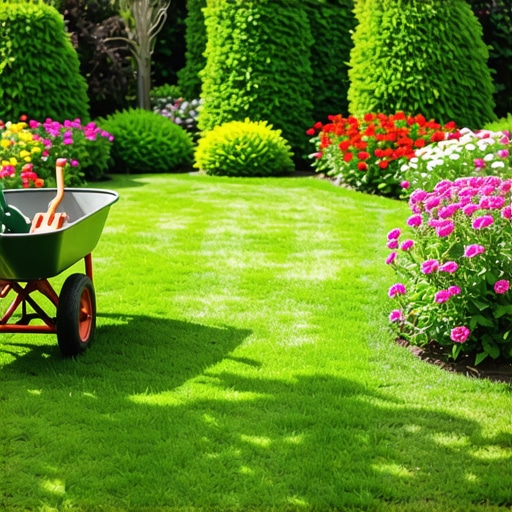
Ever spent hours raking leaves, only to find the yard back to square one in a week? Or worse, ended up with a patchy, uneven lawn despite your best efforts? I’ve been there. I remember those frustrating weekends, feeling like I was fighting a losing battle with my yard. It was only after a few costly mistakes and a lot of trial and error that I finally cracked the code to a truly stunning garden. If you’re tired of the endless yard work that never quite pays off, you’re in the right place. Today, I’ll share the secrets I’ve learned to make your yard not just manageable but beautiful—starting now, in 2025.
Why a Fresh Approach to Yard Cleanup Matters in 2025
Let’s be honest—your yard is your personal paradise, your first impression, and your relaxation spot. But with busy schedules and changing climate patterns, maintaining a lush, healthy garden can feel overwhelming. What I’ve discovered is that the right approach to yard cleanup and landscaping isn’t just about aesthetics; it’s about creating a sustainable, low-maintenance system that works with nature, not against it. As experts say, proper yard care can increase property value and even improve mental well-being. Plus, a well-kept yard reduces pests and weeds, saving you time and money in the long run. If you’ve ever wondered whether your efforts are really making a difference—trust me, they can, with the right strategies. And yes, I’ve made my share of mistakes early on, like overwatering or planting the wrong grass type, which only set me back. That’s why I’m here to help you avoid those pitfalls and get it right the first time.
Is Investing in Yard Cleanup Worth the Effort?
Many folks hesitate because it seems like a never-ending chore. But here’s the truth—investing in professional advice and proper planning can turn your yard into a thriving oasis. For instance, I once underestimated how crucial soil prep was, and it cost me a lot of backbreaking work later. Now, I swear by consulting expert resources and implementing proven techniques. If you’re serious about transforming your space into a lush paradise in 2025, it’s worth every effort. For comprehensive insights, check out top yard cleanup strategies that make a tangible difference.
So, are you ready to stop fighting your yard and start working with it? If you’ve faced the frustration of patchy grass, stubborn weeds, or overgrown shrubs, know that there’s a better way. Let’s dive into the practical tips that will help you create your dream garden in 2025—without the hassle.
Start with a Clear Plan
Before you pick up a rake, visualize your ideal garden. Think about the layout, plant choices, and features like pathways or water elements. I once jumped into yard cleanup without a plan and ended up with a disorganized mess that took twice as long to fix. Draw a simple sketch or use online tools to map out your vision, ensuring every step aligns with your goals for a lush, manageable yard.
Clear Debris and Overgrowth Effectively
Begin by removing leaves, branches, and trash. Use a leaf blower or rake to gather all debris into manageable piles. For overgrown shrubs or weeds, cut back aggressively but thoughtfully. I once left overgrown bushes unchecked, which attracted pests and made maintenance harder. Cutting back overgrown plants not only tidies the space but also stimulates healthy growth. Remember, a neat yard is easier to work with and looks more inviting. For detailed techniques, check out expert yard cleanup ideas.
Prepare the Soil for Healthy Growth
Once debris is cleared, focus on soil health. Loosen compacted soil with a garden fork or tiller. Amend it with compost or organic matter to boost nutrients. I learned this the hard way when planting grass on poor soil, resulting in patchy turf. Proper soil prep is like laying a strong foundation for a house—it determines how well everything else will grow. Conduct a soil test if possible to tailor amendments precisely, ensuring your plants thrive. For more on soil prep, visit soil and sod installation tips.
Choose the Right Grass and Plants
Select grass types suited to your climate and sun exposure. For shady spots, opt for shade-tolerant varieties; for sunny areas, drought-resistant grasses perform best. My mistake was planting a water-loving grass in a dry patch, which struggled. Research local recommendations or consult a professional for species that will flourish naturally. Similarly, pick native plants that require less water and care, simplifying maintenance. This approach creates a sustainable, vibrant landscape that will look great in 2025 and beyond.
Implement Smart Watering Systems
Efficient irrigation is key. Drip systems or smart sprinklers ensure water goes where it’s needed most, reducing waste. I installed a smart irrigation controller last year, and it adjusted watering based on weather forecasts, saving time and money. Proper coverage prevents dry patches or overwatering, which can lead to disease. For expert guidance, explore irrigation system design strategies.
Maintain and Tidy Regularly
Consistent upkeep prevents yard chaos. Mow grass at the right height, prune shrubs, and weed weekly. I set a simple schedule that keeps my yard looking neat without overwhelming me. Mulching around plants retains moisture and cuts down on weeds. A well-maintained yard feels inviting and reduces the need for intensive cleanup later. Remember, small, consistent efforts are the secret to a stunning garden in 2025.
When it comes to maintaining a beautiful yard, many homeowners fall prey to misconceptions that can actually hinder their progress. Let’s dig deeper into some of the most pervasive myths and reveal the truths that can help you elevate your yard care game this year.
The Myth of One-Size-Fits-All Solutions
Everyone says there’s one perfect way to care for your yard, but in reality, your garden’s needs are unique. Factors like soil type, climate, and sunlight mean that strategies effective in one area might be ineffective or even damaging in another. For example, assuming a generic fertilizer will work universally can lead to nutrient imbalances. Instead, consider conducting a soil test to tailor your amendments, which is far more effective for a thriving garden. For expert advice on soil health, check out soil and sod installation tips.
Overwatering Is Always Good
Many believe that more water equals greener grass, but overwatering can be just as harmful as drought. It can lead to root rot, fungal diseases, and wasteful water bills. The key is to understand your plants’ actual needs and implement a smart watering plan, such as drip irrigation or smart sprinklers that adjust based on weather conditions. This approach conserves water while keeping your lawn healthy. For detailed irrigation strategies, explore effective irrigation techniques.
Can You Really Save Time by Skipping Mulching?
Mulching is often overlooked, but it’s a game-changer for weed control, moisture retention, and soil health. Skipping this step might seem like a time-saver initially, but it leads to more frequent weeding and watering, ultimately wasting more time. Mulch also adds a polished look to your garden beds. Don’t underestimate its importance—integrate it into your routine for a low-maintenance, high-impact yard. Find more on mulching benefits at yard cleanup ideas.
Have you ever fallen into this trap? Let me know in the comments. The truth is, understanding these nuances can dramatically improve your yard’s health and appearance. By questioning common myths and adopting tailored strategies, you’ll create a lush, sustainable garden that stands out in 2025 and beyond.
Keeping your yard in top shape over time requires more than just initial effort; it demands the right tools and a consistent maintenance routine. Over the years, I’ve refined my toolkit to ensure my garden remains lush, healthy, and manageable. Today, I’ll share the specific equipment and methods I rely on, along with advice on how to sustain your landscape’s vitality well into 2025 and beyond.
Invest in Quality Power Tools for Long-Term Success
One of my best investments has been a high-quality cordless electric lawn mower. It’s lightweight, quiet, and offers the power needed for a pristine cut without the hassle of cords or fuel. I prefer models with adjustable cutting heights and a reliable battery life, such as the GreenWorks Pro 21-inch cordless mower. These features help me tailor my mowing routine and reduce downtime, keeping my grass uniformly healthy. For trimming, I swear by a versatile string trimmer like the Ego Power+ ST1502. It handles edging and overgrown patches efficiently, saving me hours each season. As technology advances, expect more battery-powered tools to rival gas-powered counterparts, making yard maintenance more eco-friendly and less labor-intensive.
Use Smart Irrigation Devices for Water Efficiency
Watering smartly is crucial. I’ve transitioned to a Wi-Fi-enabled drip irrigation system that allows me to schedule watering sessions from my phone. It adjusts based on weather forecasts and soil moisture levels, ensuring I never over- or under-water. This not only conserves water but also promotes healthier root growth. For optimal results, I recommend exploring systems compatible with weather sensors, such as those from Rachio or Rain Bird. These tools are set to become even smarter, integrating AI to predict watering needs with increasing accuracy, which will be a game-changer for maintaining vibrant lawns in 2025.
Regular Maintenance Checks and Software Updates
Beyond hardware, maintaining your tools is vital. I schedule routine inspections—cleaning blades, replacing worn parts, and updating firmware on smart devices. For example, my irrigation controller receives regular software updates that improve its weather prediction algorithms. Staying on top of these updates ensures your equipment functions at peak efficiency and longevity. Additionally, I keep a detailed maintenance log, which helps me plan replacements or upgrades before breakdowns occur, saving time and money in the long run.
Plan for Future Trends in Yard Care
Looking ahead, automation and AI-driven tools will likely dominate yard maintenance. Devices that analyze soil health, predict pest outbreaks, or even automatically adjust watering and fertilization are on the horizon. Investing now in adaptable, compatible equipment positions you to benefit from these innovations seamlessly. For example, integrating a soil testing sensor that communicates with your irrigation system could optimize water use based on real-time data, a feature predicted to become standard in 2025. Staying informed through expert sources like top yard cleanup strategies will help you incorporate these advancements effectively.
How do I maintain my tools and systems over time?
Consistency is key. Schedule monthly maintenance sessions—clean blades, lubricate moving parts, and update software. Store power tools properly in dry, ventilated spaces to extend their lifespan. Keep an inventory of spare parts and batteries to avoid delays. Regularly calibrate smart systems to ensure accurate data collection and performance. By treating your tools as investments, you prolong their usefulness and ensure your yard remains vibrant year after year. Remember, a little upkeep now prevents costly repairs later.
Try implementing a comprehensive maintenance routine and upgrading your equipment with the latest smart technologies. These steps will make yard care more manageable and enjoyable, setting you up for a lush, thriving landscape in 2025 and beyond.
Ever wondered what truly separates a good yard from a spectacular one? It’s not just about hard work, but smart strategies and insider tips that I’ve gathered over years of gardening and landscaping. Today, I’m sharing the lessons I wish I knew earlier—lessons that helped me create a lush, manageable, and stunning outdoor space that I’m proud of in 2025. These insights are designed to save you time, money, and frustration, turning your yard into your personal paradise.
The Hardest Lesson I Learned About Yard Transformation
One of my biggest mistakes was neglecting soil health. I used to think that watering and mowing were enough, but ignoring soil preparation led to weak grass and stubborn weeds. It wasn’t until I invested in proper soil testing and amendments that my yard truly transformed. Remember, a healthy foundation is everything—don’t skip this step if you want a vibrant yard.
3 Myths About Yard Maintenance That Held Me Back
First, overwatering isn’t always the answer—actually, it can harm your lawn more than help. Second, one-size-fits-all solutions don’t work; your yard’s needs are unique. Lastly, mulching might seem like extra work, but it’s a game-changer for weed control and water retention. Busting these myths was my breakthrough, and it can be yours too.
What Experts Won’t Tell You About Achieving a Lush Garden
Many professionals emphasize the importance of tailored care, but what’s often overlooked is the value of consistent maintenance and investing in quality tools. From durable power equipment to smart irrigation systems, these investments pay off by making yard care more efficient and less stressful. Plus, staying updated with emerging trends, like AI-driven garden tech, keeps your landscape ahead of the curve.
My Essential Toolkit for 2025 Yard Success
Over the years, I’ve curated a set of tools that keep my yard thriving. A high-quality cordless mower, a versatile string trimmer, and smart irrigation devices are non-negotiables. I trust brands like GreenWorks and Rachio because they combine reliability with innovation. Using these tools makes regular maintenance a breeze and ensures my yard stays lush all year round.
Make Yourself Proud: Your Turn to Elevate Your Yard
Now is the perfect time to act. With the right knowledge and tools, you can turn your yard into a vibrant haven that reflects your hard work and creativity. Don’t wait for perfect conditions—start small, stay consistent, and watch your outdoor space flourish in 2025. Your dream yard is within reach, and I believe you can create it.
What’s the first step you’re excited to try in transforming your yard? Let me know below—I’d love to hear your plans!
Reading through this post really resonated with me, especially the part about soil health. I used to overlook that step and water too often, thinking that was the key to a lush yard, but I found myself battling weeds and patchy grass. Once I started seriously testing my soil and adding organic amendments, my yard transformed quicker than I expected. It’s fascinating how a strong foundation makes everything else easier.
I’m curious, for those dealing with shaded areas, which native or shade-tolerant grasses have you found to work best in your climate? I’ve got a few shady spots that consistently underperform, and I’d love to hear real-world suggestions from fellow garden enthusiasts. Also, do you think investing in smart irrigation systems is worth it if you’re on a tight budget? I’ve considered it but worry about the upfront costs versus long-term savings. Would love to hear your experiences and tips on balancing cost and efficiency in yard maintenance!
This post really hits home for me, especially the emphasis on soil health. I used to think that watering more often was the key to a lush yard, but I quickly learned that poor soil can sabotage even the best watering schedule. After investing in a soil test and adding organic compost, I noticed a huge difference in the vibrancy of my grass and plants. It’s amazing how foundational soil quality really is to overall yard health.
Regarding shaded areas, I’ve had good success with native grasses like fescue and certain varieties of Buffalo grass that tolerate low sunlight better. They’re not perfect replacements for full sun grasses but are definitely worth trying. As for smart irrigation systems, I believe they’re absolutely worth the investment if you can manage the initial costs. Even on a budget, I found that lower-end models, combined with smart scheduling, still help save water and reduce waste, which in turn lowers my bills and maintenance efforts over time. Has anyone experimented with DIY automation or budget-friendly solutions? Would be great to hear some budget-conscious ideas too.
This post really hits home for me, especially the part about soil health. Like many, I used to think watering and mowing were enough, but I kept battling weeds and uneven patches. Since I started testing my soil and adding organic compost, my yard looks so much healthier and lush. It’s incredible how much a good foundation matters!
I’ve also been considering a smart irrigation system to optimize water use, but I worry about the upfront costs. Has anyone found budget-friendly options that still make a noticeable difference? I’d love to hear about experiences with DIY solutions or lower-cost systems that work well. Also, for shaded areas, I’ve had success with fine fescue—has anyone else tried it or other native grasses that thrive in low sunlight? Looking forward to everyone’s tips and tricks!