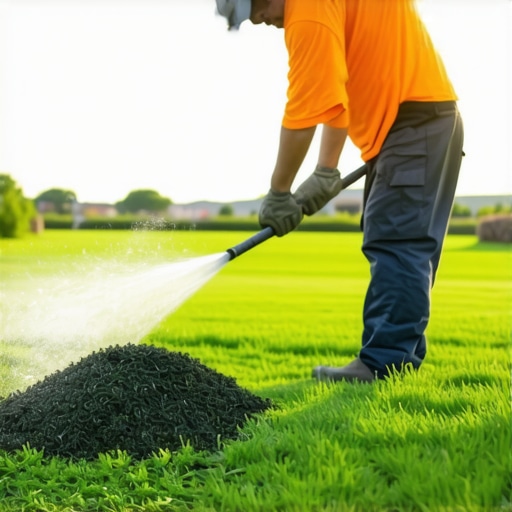
There was a moment last spring when I looked out at my yard after a weekend of neglect—brown patches, patchy grass, and a sense of defeat. I realized I’d spent more time watering and patching than actually enjoying my outdoor space. That lightbulb moment hit me hard: I was doing everything wrong with my lawn, and it was costing me both time and money. Fast forward a few seasons, and I’ve cracked the code on creating a vibrant, healthy lawn—without breaking the bank or losing sleep over watering schedules.
Why Your Lawn Needs More Than Just Water
In 2025, the secret to a lush yard isn’t just about turning on the sprinklers. It’s about smart installation and maintenance strategies that work in harmony with the natural environment. A well-installed sod combined with an efficient irrigation system can turn your patchy yard into a vibrant oasis. Trust me, I’ve learned this the hard way—early on, I made the mistake of ignoring proper planning, which led to overwatering, runoff, and a lawn that never quite thrived. It’s a mistake I see many homeowners make, and it’s a costly one.
According to recent studies, over 50% of lawn care failures are due to improper irrigation setup and poor sod installation techniques. That’s a staggering number that highlights just how vital these initial steps are. But don’t worry—there’s a way to get it right from the start, and I’m here to guide you through it.
Is Irrigation System Design Really That Critical?
Absolutely. I used to think I could just sprinkle my yard and call it a day. Big mistake. An inefficient system wastes water, costs more, and leaves your lawn vulnerable to drought stress or disease. The key is understanding your yard’s specific needs and designing a system that provides even coverage without oversaturating any one area. For detailed tips, check out my comprehensive guide on expert irrigation solutions.
Another mistake I made early on was underestimating the importance of soil prep before sod installation. A healthy root foundation makes all the difference. If you’re serious about a thriving lawn this year, investing in proper soil preparation and a tailored irrigation plan will save you headaches down the line.
So, if you’ve faced the frustration of patchy grass or overwatered patches, know that the solution is within reach. Next, I’ll walk you through the essential steps to perfect sod installation and irrigation design, so you can enjoy a picture-perfect yard in 2025.
Prepare Your Soil Like a Pro
Start by removing all weeds, rocks, and debris from your yard. Use a rake or a tiller to loosen the soil, ensuring good drainage and aeration. Mix in organic compost to boost nutrients and improve soil structure. This step is critical—think of it as laying a solid foundation for a house. I once skipped this step and ended up with patchy grass; the difference was night and day after proper soil prep. For a detailed soil setup, visit yard cleanup strategies.
Choose the Right Sod and Install It Properly
Select high-quality sod suited for your climate and soil type. When laying sod, stagger the seams like bricks, pressing each piece firmly into the soil—this prevents gaps and promotes healthy roots. Water immediately after installation to help the roots establish. I remember installing sod on a particularly hot day; I used a garden roller to press the sod down and kept it moist, which resulted in a lush, vibrant lawn within weeks. For expert tips, see sod installation tips.
Design an Efficient Irrigation System
Plan your irrigation layout carefully. Use zones to target different areas, avoiding overwatering or dry patches. Aim for even coverage—think of it as giving each blade of grass a gentle, consistent drink. Drip irrigation for beds and spray heads for lawns work well together. I designed my system based on my yard’s unique shape, which reduced water waste and lowered my bills. For inspiration, check out irrigation design ideas.
Set Up Smart Watering Schedules
Use a timer or smart controller to automate watering at dawn or dusk when evaporation is minimal. Adjust the schedule based on weather—less watering during rain, more during heatwaves. I learned this the hard way when I overwatered, leading to fungal issues. Now, I rely on weather-based adjustments, saving water and keeping my lawn healthy. For detailed scheduling strategies, visit irrigation solutions.
Maintain and Adjust Regularly
Regularly check your system for leaks or clogs. Mow your grass at the right height, and aerate annually to allow water and nutrients to reach roots. Keep an eye on soil moisture levels and adjust watering as needed. I once neglected to check my sprinklers, which caused dry patches—since then, I’ve made routine maintenance a priority. For maintenance tips, see yard cleanup tips.
Many homeowners fall into the trap of believing misconceptions about lawn care that can inadvertently harm their yard’s health. Let’s dig deeper into some of the most persistent myths and reveal the truths that can elevate your lawn game to professional standards.
Why Overwatering Might Be Killing Your Lawn
It’s a widespread belief that more water equals a greener lawn. In reality, overwatering can suffocate roots, promote fungal diseases, and wash away vital nutrients. The key is to provide just enough water to keep the soil moist but not saturated. An improperly designed irrigation system often exacerbates this issue, leading to inconsistent watering and weak root growth. For advanced advice on setting up an efficient irrigation plan, check out expert irrigation solutions.
Think You Can Skimp on Soil Prep? Think Again
Many assume that laying sod directly on existing soil is enough. However, skipping thorough soil preparation can result in poor root establishment and patchy growth. Loosening the soil, removing debris, and enriching it with organic compost create a thriving environment for roots. This step is crucial—skipping it often leads to wasted time and money on re-sodding. For detailed soil setup strategies, visit yard cleanup strategies.
Advanced Question: How Can I Detect Subtle Soil Imbalances?
Even experienced gardeners might overlook subtle soil deficiencies that affect lawn health. Testing your soil’s pH and nutrient levels can reveal imbalances that hinder grass growth. Correcting these issues with targeted amendments ensures your lawn gets exactly what it needs. According to a study published in the Journal of Environmental Quality, soil testing and tailored amendments significantly improve turf resilience and vibrancy. Regular testing and adjustments are the secret weapons for maintaining a lush, durable lawn.
Have you ever fallen into this trap? Let me know in the comments. Remember, mastering these nuances can make the difference between a patchy yard and a stunning landscape. Keep learning, keep experimenting, and your lawn will thank you!
Maintaining a lush, healthy lawn over time requires more than just initial setup; it involves consistent effort, smart tools, and strategic maintenance routines. As technology advances, the landscape of lawn care tools is evolving rapidly, making it easier to keep your yard in top shape without the guesswork.
Investing in Precision Equipment
One of my go-to tools is a high-quality soil moisture meter. I rely on this device to monitor soil hydration levels precisely, which helps me avoid overwatering or underwatering. Digital moisture meters with multiple probes provide real-time data and can sync with smartphone apps, offering insights that were unimaginable a decade ago. For example, I use a model that connects via Bluetooth, allowing me to check moisture levels remotely and adjust my irrigation schedule accordingly. This not only conserves water but also promotes healthier grass roots, reducing disease risk. As smart irrigation systems become more affordable, integrating these sensors into your setup is a game-changer. Check out my recommended sensors for detailed options.
Automation Is Your Best Friend
Automated timers and smart controllers are essential for long-term lawn health. I personally use a weather-adaptive controller that adjusts watering schedules based on forecast data. This means if rain is imminent, my system skips watering, saving me money and preventing runoff. These controllers are easy to install and can be programmed for different zones, ensuring every part of your lawn gets the right amount of water. As the trend leans toward AI-powered systems, I predict more sophisticated features like soil health analytics and predictive watering patterns will dominate the market. For a detailed review of the latest models, visit my top picks for 2025.
Routine Maintenance for Long-Term Success
Regularly inspecting and maintaining your equipment keeps everything running smoothly. I schedule bi-weekly checks of my sprinkler heads for clogs or leaks, and I keep my mower blades sharp—dull blades tear grass instead of cutting it cleanly, leading to disease. Aerating yearly is another critical step that improves soil aeration, allowing water and nutrients to reach roots effectively. Using a core aerator is a straightforward way to do this, and I recommend doing it during the growing season for best results. To ensure your tools stay effective, clean and lubricate moving parts after each use. For expert advice on maintaining your equipment, see yard cleanup tips.
How do I maintain my irrigation system over time?
Consistent maintenance of your irrigation system is crucial for a thriving lawn. Start by inspecting sprinkler heads monthly to ensure even coverage; adjust or replace those that are damaged or misaligned. Clogged filters can reduce water flow, so cleaning or replacing them annually is advisable. Additionally, check for leaks in hoses and valves to prevent water waste. During the off-season, winterize your system to prevent freeze damage if you live in colder climates. Implementing a schedule for these tasks ensures your system remains efficient and reliable year-round. Predictive maintenance, powered by IoT sensors, will likely become mainstream, alerting you to issues before they become costly repairs. Stay ahead by scheduling regular inspections and upgrades as needed.
Incorporating these advanced tools and routines into your lawn care regimen can dramatically improve your yard’s health and appearance over time. Try using a moisture sensor this week to fine-tune your watering schedule—small steps lead to big results. Remember, a well-maintained lawn isn’t just about aesthetics; it’s about creating a sustainable, thriving outdoor space that grows healthier with each season.
The Hardest Lesson I Learned About Lawn Care
One of my biggest lightbulb moments was realizing that proper soil preparation is the foundation of a thriving lawn. Skipping this step led to patchy grass and wasted efforts. Now, I always spend time aerating and enriching my soil, which pays off in lush, healthy grass.
3 Myths About Lawn Irrigation That Held Me Back
I used to believe overwatering was the key to greenness. Turns out, it often harms your lawn more than helps. Learning to design an efficient irrigation system tailored to my yard’s needs drastically improved water usage and grass health.
What Experts Won’t Tell You About Sod Installation
Choosing high-quality sod suited for your climate and installing it correctly, with staggered seams and immediate watering, made all the difference. Proper soil prep before laying sod is an insider secret that transforms patchy areas into vibrant green expanses.
My Essential Toolkit for Lawn Success
My go-to tools include a digital soil moisture meter, a smart irrigation controller, and a core aerator. These tools, personally tested and trusted, save time, water, and money by ensuring optimal lawn care routines.
Where to Go from Here
If you’re serious about elevating your lawn game in 2025, dive into the comprehensive guides linked throughout this article. They cover everything from soil prep to smart watering, helping you avoid common pitfalls and achieve professional-quality results.
Your Turn to Try
Creating a lush, healthy lawn isn’t just about effort; it’s about smart strategies and the right tools. Start small, test your soil, and automate your watering. With patience and persistence, your yard can become the envy of the neighborhood.
Reading this post really resonated with my own experience last spring when I faced similar yard struggles. I used to believe that watering frequently would keep my grass lush, but I quickly learned that overwatering caused more problems than it solved—patchy dry spots and an uptick in fungal issues. It’s clear that soil prep and a well-designed irrigation system are the real game changers. I’ve started testing my soil’s pH levels and adjusting my watering schedule accordingly, which has noticeably improved my lawn’s health. My question is: for homeowners on a tight budget, what affordable tools or DIY tips would you recommend for setting up a smart irrigation plan? I’d love to hear practical advice that doesn’t require splurging on high-end gadgets but still delivers reliable results.
This post really hit home—especially the importance of proper soil prep before sod installation. I remember rushing that step because I was eager to see my lawn green again, only to end up with patchy grass and more headaches. Now, I spend extra time enriching my soil and testing moisture levels consistently, which has made a noticeable difference in how my lawn responds to watering. It made me wonder, how do others balance the initial investment in quality materials like sod and soil amendments with ongoing maintenance costs? For someone just starting out, would you recommend focusing more on soil health first, or is it better to invest in high-quality sod right away for quicker results? I’d love to hear your thoughts on prioritizing these steps for a lush yard in 2025.