
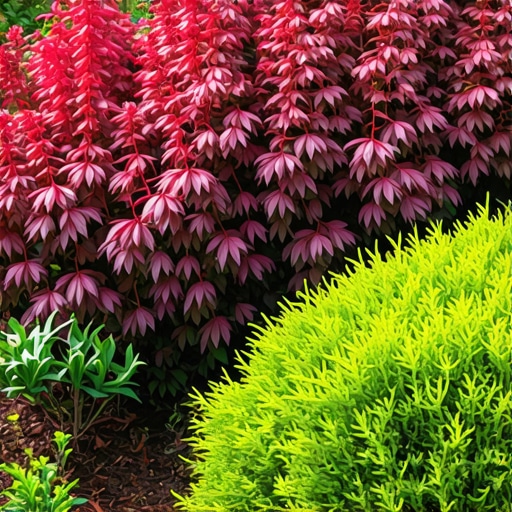
The Essential Apprentice Lesson on Perennial Longevity
I always drill into my new crew members: if you do not fix the soil grading first, every plant you put in the ground is just expensive compost. But the second lesson is just as vital: put the shears down in October. I have watched rookie landscapers strip a garden bare the moment the first frost hits, thinking they are being tidy. In reality, they are robbing the plant of its literal lifeblood and exposing the crown to fatal thermal shock. Landscaping is not about making a yard look like a clean floor; it is about managing a biological system that is preparing for a period of extreme stress. If you treat your perennials like trash that needs to be hauled away, you will be paying for a full landscape replacement by April.
Why You Should Wait to Cut Back Perennials in the Fall
Waiting to cut back perennials allows plants to translocate vital carbohydrates from their foliage down into the root system or crown, ensuring survival through winter dormancy. This biological process strengthens the plant’s cold hardiness and provides a natural insulation layer against freeze-thaw cycles that can heave roots out of the soil. When you prune prematurely, you interrupt the energy cycle and leave hollow stems open to moisture, which often leads to crown rot. This is a fundamental rule of high-end horticulture that separates professional estate managers from mow-and-blow contractors.
“Herbaceous perennials rely on the energy stored in their roots and crowns during the late growing season to survive winter and initiate growth in the spring. Removing green or even yellowing foliage too early can significantly reduce the plant’s vigor and longevity.” – Penn State Extension, Ornamental Horticulture Manual
How does foliage protect the plant crown?
The dead stems and leaves of perennials act as a natural baffle. They trap snow, which is one of the best insulators found in nature. A six-inch layer of snow can keep the ground temperature nearly twenty degrees warmer than the ambient air. When you clear everything to the dirt, you lose that thermal blanket. This results in the soil temperature fluctuating wildly, which is exactly how you end up with frost heaving. I have seen 3-gallon perennials literally popped out of the ground like a cork because the homeowner wanted a clean look in November. It is a waste of money. Leave the stalks. Let the snow pile up. Your plants will thank you when the ground thaws.
The Critical Role of Yard Cleanup and Soil Health
Fall yard cleanup should focus on debris that causes disease, not the structural components of your plants. Matted leaves on a lawn will kill the turf by blocking photosynthesis and trapping moisture, leading to snow mold. However, leaves tucked into a garden bed are different. They break down into organic matter, feeding the soil microbiology. My crews use a 3-inch rule: if the leaf layer is thicker than three inches on top of a plant, we thin it out. If it is less, we leave it. We are looking for a balance between protection and suffocation. This is the difference between a yard that survives and a yard that thrives. Below is a comparison of how different plant types should be handled during your fall landscaping routine.
| Plant Category | Fall Action Plan | Biological Reasoning |
|---|---|---|
| Ornamental Grasses | Leave Standing | Hollow stems provide winter interest and insulate the center crown. |
| Woody Perennials (Lavender) | Do Not Cut | Pruning triggers new growth that will freeze and kill the main branch. |
| Hostas and Lilies | Remove if Slimy | Soft foliage can harbor slugs and pathogens if left to rot. |
| Echinacea and Rudbeckia | Leave Standing | Seed heads provide food for birds and the stalks trap insulating snow. |
How much mulch do I need for winter protection?
For most perennial beds, a two-to-three-inch layer of triple-ground hardwood mulch is the standard for winter insulation. You must ensure the mulch is not touching the bark of woody shrubs or the direct center of the perennial crown, as this creates a moisture trap that invites fungal pathogens. Think of mulch as a blanket, not a burial shroud. It should cover the root zone to stabilize soil temperatures and prevent the rapid freezing and thawing that shears fine root hairs. If you are doing a new sod install in the fall, a light top-dressing of organic compost can provide similar thermal protection while the new roots attempt to knit into the native soil before the deep freeze.
Managing Irrigation and Hydrostatic Pressure
Your irrigation system is the most vulnerable part of your landscape during the winter. It is not just about the pipes bursting; it is about the water that stays in the soil near your foundations and hardscapes. Proper winterization means blowing out the lines with a high-volume air compressor. We set our regulators to 50-60 PSI to ensure we do not melt the internal seals of the zones while clearing the water. If you leave water in those lines, the expansion will shatter valves and backflow preventers. This is non-negotiable. Furthermore, your fall cleanup must include checking your drainage swales. If leaves clog your French drains or catch basins, water will back up, freeze, and create hydrostatic pressure that can crack a retaining wall or flood a basement. A pro landscaper looks at the plumbing as much as the plants.
“Improper drainage and the failure to account for hydrostatic pressure are the leading causes of structural failure in segmental retaining walls during the winter months.” – ICPI (Interlocking Concrete Pavement Institute) Technical Manual
What is the best time for a fall sod install?
The best time for a fall sod install is when the soil temperature is between 50 and 65 degrees Fahrenheit. This allows the roots to establish without the stress of high summer evaporation. In most temperate zones, this window is between September and late October. You need at least three weeks of active growth before the ground freezes solid. If you miss this window, the sod will go dormant before it anchors, and the winter winds will desiccate the grass blades, leading to total failure. It is better to wait for spring than to throw sod on frozen dirt. If you do lay it late, you must keep it hydrated; dormant grass still needs moisture, even if it is not growing.
The Professional Fall Landscaping Checklist
- Clean the Turf: Remove heavy leaf mats to prevent snow mold and turf suffocation.
- Leave the Perennials: Wait until the first signs of green growth in spring to cut back stems.
- Aerate and Overseed: Use a core aerator to pull 3-inch plugs, reducing compaction before winter.
- Winterize Irrigation: Perform a full blowout and shut off the main water supply to the exterior.
- Inspect Hardscapes: Clear all drainage grates and check for shifting pavers that could cause trip hazards during ice.
- Soil Testing: Fall is the best time to apply lime to adjust pH, as it takes months to react with the soil.
By following these protocols, you are not just cleaning a yard; you are engineering a resilient ecosystem. The shortcuts taken in October are the invoices you pay in May. Stop the obsessive pruning. Focus on the soil, the drainage, and the biological needs of the plants. That is how you build a landscape that lasts for decades instead of seasons. It is not about aesthetics; it is about the physics of the earth and the biology of the root. Stick to the science, and the beauty will follow on its own schedule.