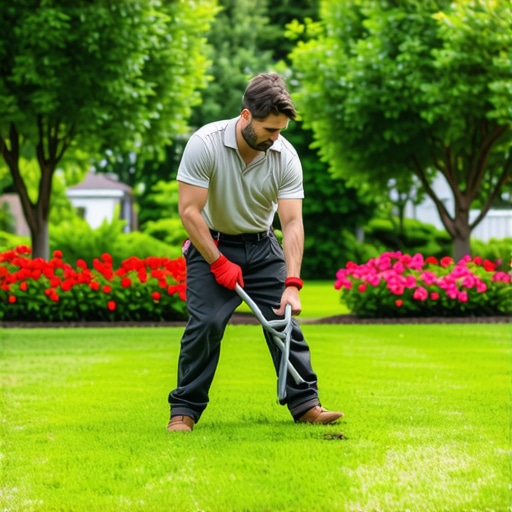
Ever looked out at your yard and felt that sinking feeling of disappointment? Maybe the grass is patchy, weeds are taking over, or the landscape just doesn’t have that lush, inviting vibe you crave. I’ve been there so many times, trying to DIY my way to a beautiful yard, only to end up more frustrated and with less progress than I hoped. One lightbulb moment hit me hard: I was rushing through the process, skipping crucial steps, and underestimating how much planning and expert advice really matter. That realization changed everything.
Why Your Yard Deserves a Professional Touch Now
Transforming a yard isn’t just about planting a few flowers or laying down some sod. It’s about creating a balanced, sustainable outdoor space that boosts curb appeal and becomes your personal retreat. And let’s be honest — the stakes are high. With the right landscaping and sod installation strategies, you can save yourself endless headaches and money in the long run. Plus, a well-done yard can significantly increase your home’s value, especially with the push for more outdoor living spaces in 2025.
Is Expert Landscaping and Sod Installation Truly Worth It?
I used to think I could handle everything myself. I watched some YouTube tutorials, bought a few tools, and jumped in. Big mistake. I ended up wasting time, overwatering, and choosing the wrong grass type, which led to a patchy, unhealthy lawn. I learned the hard way that skipping professional advice often costs more than hiring experts in the end. Nowadays, I always recommend tapping into the wealth of knowledge out there, like detailed guides on landscaping tips or consulting professionals for specific needs like irrigation and sod installation.
If you’re tired of the yard that never quite measures up and want a plan that works, stick around. I’ll walk you through proven tips and strategies that have transformed my yard and countless others into stunning, thriving outdoor spaces. Ready to make your yard the envy of the neighborhood? Let’s dive into the essentials that make all the difference.
Start with a Clear Plan and Site Preparation
Before digging into planting or laying sod, take the time to plan your yard layout. Think about sun exposure, drainage, and existing features. I remember rushing into my project last spring, only to realize halfway that the area I chose had poor drainage. I learned that a thorough site assessment is crucial. Remove weeds, dead grass, and debris to create a clean slate, much like giving your yard a fresh canvas. For detailed guidance, check out landscaping tips for yard cleanup.
Choose the Right Grass Type and Soil Improvement
Select grass varieties suited to your climate and soil conditions. When I installed sod, I found that mixing compost into the soil improved root growth and moisture retention. Think of soil as the foundation of a house; a strong base ensures your lawn stays healthy. Use a soil test kit to determine pH and nutrient levels, then amend accordingly. For expert advice on soil prep, visit sod installation and soil prep strategies.
Implement Effective Irrigation Strategies
Watering correctly is key to establishing a lush lawn. I once overwatered my new sod, leading to fungal issues. A smart irrigation plan mimics natural rainfall—deep, infrequent watering encourages strong roots. Consider installing an automatic irrigation system that adjusts based on weather, which saves time and conserves water. For tailored irrigation ideas, see landscaping and irrigation ideas for 2025.
Lay Sod with Precision for Seamless Results
When laying sod, start along a straight edge and work your way across, staggering seams like bricks. I once tried to rush this step and ended up with uneven patches. Instead, ensure each piece is tightly fitted and press down firmly to eliminate air pockets. Water immediately after installation to help the sod settle into the soil. For expert tips on sod installation, visit sod installation and irrigation tips.
Maintain and Adapt for Long-Term Beauty
Consistent maintenance, including mowing, fertilizing, and aerating, keeps your yard looking its best. I schedule regular lawn checks and adjust watering based on seasonal needs. Keep an eye out for pests or disease signs early—address issues promptly to prevent spreading. For ongoing care strategies, see long-term lawn maintenance tips.
Many homeowners fall prey to misconceptions about lawn sod and landscaping, thinking they understand the process but missing critical nuances that can make or break their yard’s success. One widespread myth is that choosing the most popular grass type guarantees a lush lawn. In reality, selecting a grass variety that doesn’t match your local climate or soil conditions often leads to patchy, unhealthy turf. For instance, cool-season grasses thrive in northern regions but struggle in warmer climates, where warm-season grasses are more appropriate. To avoid this mistake, consult a local expert or refer to detailed guides on sod installation and soil prep strategies.
Another common misconception is that watering your new lawn frequently is always better. While hydration is essential, overwatering can drown roots, promote fungal diseases, and wash away nutrients. Deep, infrequent watering mimics natural rainfall and encourages stronger root growth, which is crucial for long-term vitality. For advanced irrigation techniques, check out expert irrigation solutions. Remember, understanding the nuances of watering schedules is a subtle but vital factor often overlooked by DIY enthusiasts.
Why Do So Many Get Lawn Preparation Wrong
Site preparation might seem straightforward — clear weeds, level the ground — but overlooking soil health can sabotage your entire project. Many assume that soil quality doesn’t matter as long as you lay down sod or seed. However, poor soil structure hampers root penetration and moisture retention, leading to weak, patchy lawns. Testing your soil’s pH and nutrient levels reveals what amendments are necessary for optimal growth. Incorporate compost or organic matter to improve soil vitality, which significantly impacts turf health. For comprehensive soil improvement strategies, visit yard cleanup and soil enhancement tips. This hidden nuance often goes unnoticed but is key to maintaining a vibrant lawn over the years.
Furthermore, many underestimate the importance of proper site grading. A slight slope ensures effective drainage, preventing water pooling that can rot roots and promote disease. Ignoring grading can cause expensive issues down the line, even if your initial sod installation looks perfect. Investing time in site assessment and professional advice ensures your yard’s foundation is solid.
In conclusion, the key to thriving lawns and landscapes lies in understanding these subtle but crucial details. Don’t fall for the myths that lead to costly mistakes. Instead, embrace the advanced nuances that professionals prioritize for long-lasting results. Have you ever fallen into this trap? Let me know in the comments and share your experiences or questions!
Maintaining a lush, healthy lawn requires more than just initial planting and sod installation. To keep your yard looking its best year-round, investing in the right tools and adopting effective maintenance routines is crucial. From specialized equipment to smart software, the right gear can save you time, improve results, and even extend the lifespan of your landscaping investment.
Why I Rely on a Quality Lawn Aerator
One of my go-to tools is a durable lawn aerator. Aeration helps reduce soil compaction, allowing water, nutrients, and air to reach the roots more effectively. I personally use a spike aerator for smaller areas and a core aerator for larger lawns, which creates small holes that promote healthy root growth. Regular aeration, especially in high-traffic zones, prevents thatch buildup and keeps my grass resilient. Experts recommend aerating at least once a year, ideally in the spring or fall, to maintain optimal soil health. For professional-grade options, check out aeration tools suited for every yard size.
Using Smart Irrigation Systems
Automatic irrigation systems have revolutionized yard maintenance. I personally installed a smart sprinkler system that adjusts watering schedules based on weather forecasts and soil moisture sensors. This not only conserves water but also ensures my lawn receives consistent, adequate hydration. When properly calibrated, these systems can prevent overwatering and fungal issues—common pitfalls for DIY enthusiasts. As technology advances, I predict more integrated solutions that use AI to optimize watering even further. To get started, review top irrigation system designs for 2025.
Essential Equipment for Regular Maintenance
Beyond aerators and sprinkler systems, I recommend keeping a high-quality lawn mower with adjustable blades to maintain appropriate grass height. A commercial-grade dethatcher can also help remove excess thatch buildup, which prevents water and nutrients from reaching roots. For fertilization, I use a broadcast spreader that ensures even distribution of nutrients without waste. Regularly sharpening mower blades and cleaning equipment prolongs their lifespan and maintains cutting precision. Investing in these tools pays off by reducing the need for costly repairs and ensuring your yard stays vibrant throughout the seasons.
How do I maintain my landscape equipment over time?
Proper maintenance of your tools extends their lifespan and keeps them functioning efficiently. I always clean my mower and aerator after use, removing grass clippings and dirt that can cause rust. Regularly replacing or sharpening blades and tines prevents uneven cuts and soil damage. Storing equipment in a dry, sheltered space prevents corrosion. For electronic devices like soil moisture sensors or irrigation controllers, updating firmware and checking connections annually ensures optimal performance. Embracing a routine maintenance schedule is key to hassle-free yard care. You can find detailed guidance on equipment maintenance for long-term results.
Looking ahead, I see a trend toward more automated, AI-driven landscape tools that can monitor soil health and adjust watering or fertilization dynamically. These innovations promise to make yard maintenance even more effortless and precise, reducing manual effort while improving outcomes. For now, start by integrating a smart irrigation system and routine equipment checks—these small steps make a big difference. Ready to upgrade your toolkit? Try calibrating your sprinkler system with weather data for the next growing season and witness the immediate improvement in lawn health!
The Hardest Lesson I Learned About Lawn Success
One of my biggest lightbulb moments was realizing how much soil health impacts overall yard vitality. I used to focus only on the visible features like plants and grass, but neglecting proper soil testing and amendments led to weak, patchy lawns. Once I started prioritizing soil improvement, my yard transformed faster than I expected.
3 Myths About Lawn Care That Held Me Back
Myth number one was that all grass types are equally suitable everywhere. Wrong—climate and soil conditions dictate which grass thrives. Also, I believed watering frequently was always best; in reality, deep, infrequent watering builds stronger roots. Lastly, I thought DIY was cheaper, but mistakes and rework often cost more than hiring a pro from the start. For trusted advice, I recommend checking out expert sod installation tips.
The Unexpected Benefits of Site Preparation
Skimping on site grading and drainage assessment can cause long-term problems. I once skipped thorough site prep and faced standing water during rains, which damaged my new sod. Now, I always invest in proper grading and soil drainage solutions, which make all the difference. For detailed guidance, visit yard cleanup and site prep tips.
Curated Recommendations for a Thriving Lawn
My essential toolkit includes a reliable soil test kit, a core aerator, and a smart irrigation system. I trust these because they save time and improve results. For soil testing, I use top soil kits to accurately assess nutrients. A professional-grade aerator helps prevent soil compaction, and a smart irrigation system ensures consistent watering without waste. These tools have helped me maintain a lush yard year-round.
Your Turn to Take Action
Now, I encourage you to evaluate your yard’s soil health, drainage, and irrigation setup. Remember, investing in expert advice and quality tools can save you headaches and money down the line. Your dream yard is within reach if you focus on the subtle yet crucial details that make all the difference. What step will you prioritize first to improve your lawn’s health? Share your plan below and let’s grow together!
I can totally relate to the frustration discussed in this post. When I first started tackling my yard renovation, I underestimated how important proper site preparation and soil health were. I dove into laying sod without testing my soil, and ended up with a patchy, weak lawn that needed rework later. Since then, I’ve learned that investing in a good soil test and amendments really makes a difference. It’s such an eye-opener how many folks overlook this step, thinking it’s insignificant.
In my experience, consistent maintenance routines, like aerating and adjusting irrigation, really help sustain the lushness long-term. Have any of you used organic soil conditioners to boost soil vitality before sod laying? I’d love to hear how others approach soil improvement, especially in tricky climates or soil conditions. What has been your biggest challenge with site prep or ongoing yard maintenance? Let’s swap tips for thriving lawns!
Wow, this post really hits home for anyone who has ever tried to DIY their yard without realizing how complex it can be. I completely agree that proper site preparation and expert advice can save you so much trouble down the line. When I initially laid my lawn, I skipped soil testing because I thought I could just add some fertilizer and call it a day. Turned out, the soil was too acidic, and my grass struggled to establish roots. It was a costly mistake that taught me the importance of soil health from the start.
I’ve since started using organic compost and soil conditioners, which transformed my soil’s fertility. It’s incredible how much a healthy soil foundation can improve the overall look and resilience of your yard. For those still considering whether to hire professionals or DIY, what do you find most challenging about site prep? Do you think the initial investment in soil testing and amendments is worth it for a long-lasting lush lawn? Would love to hear other folks’ experiences and tips on this crucial first step.