
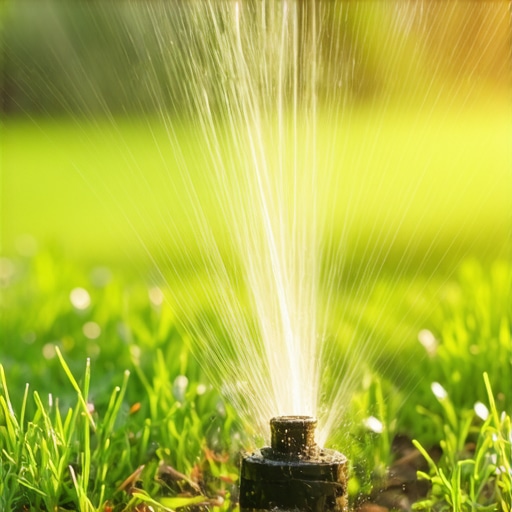
The Forensic Autopsy of a Clogged System
I recently got called out to a property where the homeowner had just spent twelve thousand dollars on a premium sod install. Within fourteen days, the grass was turning the color of a cardboard box. The homeowner was frantic. They had the timers set. They had the water running. But the heads were barely weeping. When I pulled the first lateral valve, I didn’t find a mechanical failure. I found a concentrated plug of fine silica and grit that had effectively turned their high-end irrigation system into a collection of expensive plastic pipes filled with wet concrete. The previous contractor had tied the system into a new well without installing a proper sand separator. They ignored the fundamental physics of fluid dynamics. It will happen every time. If you don’t respect the source water, your system is just a ticking clock.
Why Sand in Irrigation Lines Is a System Killer
Sand infiltration acts as a high-velocity abrasive that destroys solenoid diaphragms, clogs micro-nozzles, and compromises valve seals. Left unchecked, silica particulates cause catastrophic friction wear within the impellers of pump-fed systems, leading to pressure drops and uneven water distribution across your yard cleanup site. It is a slow death for your turf. The grit scores the smooth plastic surfaces. It creates leaks. It prevents valves from closing. It is a nightmare for anyone who values a professional landscape.
“A retaining wall doesn’t fail because of the stone; it fails because of the water trapped behind it, much like an irrigation system fails not from the pipe, but from the debris trapped within it.” – Hardscape Engineering Axiom
Identifying the Source of the Contamination
Before you pick up a wrench, you must identify how the grit entered the system to prevent immediate re-contamination. In most residential setups, sand enters through three primary vectors: a failing well screen, a recent main line break during a landscaping project, or poor installation practices where dirt was allowed into the pipes during the sod install. If you are on a municipal supply, a water main repair down the street can send a slug of sediment straight into your backflow preventer. Check your filters first. If they are clean but the heads are clogged, the intrusion happened downstream.
How do I know if my sprinkler heads are clogged with sand?
You will observe reduced throw distance, uneven spray patterns, or heads that fail to retract after the cycle ends. If you hear a gritty, grinding sound when manually lifting a pop-up head, silica has entered the wiper seal. This requires an immediate system-wide flush to prevent permanent scoring of the risers.
The Step-by-Step Scouring Protocol
Flushing a system isn’t about just turning on the water. It requires managing scouring velocity. You need enough GPM (Gallons Per Minute) to lift the heavy sand particles and carry them out of the exhaust point. Low pressure will just move the sand further down the line, creating a harder plug. Use this systematic approach to clear the lines professionally.
Step 1: Isolate and Purge the Main Line
Locate the furthest point on your main line, typically at a manual drain valve or a remote blowout port. Open this port fully. Turn on the water supply. You want a high-volume discharge. Do not run this through the valves yet. You are clearing the trunk of the tree before you worry about the branches. Run the water until it is crystal clear in a white five-gallon bucket. If you see even a few grains, keep flushing. It takes time. Do not rush this.
Step 2: The Zone-by-Zone Scour
Once the main line is clear, move to the individual zones. Remove the last two heads on every lateral line. These are your exit points. Turn on the zone. The water will geyser out of the open risers. This high-flow state creates the necessary turbulence to lift sand out of the low spots in the piping. I recommend doing this for at least three minutes per zone. Watch the water. Use the bucket test again.
Step 3: Cleaning the Solenoids
Sand often gets trapped in the upper chamber of the valve. You must disassemble the valves. Carefully remove the bonnet screws. Pull the diaphragm. Check the bleed port. Even a single grain of sand in the bleed port will keep a valve from closing. This leads to ‘weeping’ heads and wasted water. Clean everything with fresh, filtered water. Check for tears in the rubber. If the rubber is scored, replace it. Don’t risk a flood.
| Material Particle | Size (Microns) | Impact on System |
|---|---|---|
| Fine Silt | 2 – 50 | Clogs drip emitters and micro-sprays. |
| Fine Sand | 100 – 250 | Scores valve diaphragms and wiper seals. |
| Coarse Sand | 500 – 1000 | Blocks rotor nozzles and jams gear drives. |
| Gravel/Rocks | 2000+ | Catastrophic impeller failure in pumps. |
Technical Maintenance Checklist
- Inspect the Backflow: Ensure no debris is lodged in the first or second check valves.
- Filter Mesh Check: Upgrade to a 100-mesh or 200-mesh stainless steel screen if sand is a recurring issue.
- Nozzle Soak: Place clogged nozzles in an ultrasonic cleaner or a bucket of white vinegar to dissolve mineral bonds holding the sand.
- Pressure Test: After flushing, check the PSI at the furthest head to ensure the scouring was successful.
Can sand damage my irrigation pump?
Yes, sand is highly abrasive to centrifugal pump impellers and wear rings. Ingesting sand will widen the tolerances inside the pump volute, leading to a permanent loss of pressure and flow capacity. If you are pulling from a well or pond, a spin-down filter is not optional; it is a requirement for system longevity.
“Irrigation efficiency is dictated by the weakest link in the hydraulic chain; sediment is the most common cause of that link breaking.” – ASABE Standard for Landscape Irrigation
Preventing Future Intrusion
Once the system is clean, you must hardened it against the next event. Install a Y-strainer or a centrifugal sand separator at the point of entry. If you are doing a yard cleanup or major landscaping, always flag your heads and keep the system pressurized. This prevents soil from being sucked back into the heads via siphoning when the system is off. Use swing pipe for your head connections. It acts as a small trap for heavy sediment, keeping it out of the main rotor body. It is easier to replace a foot of funny pipe than a whole zone of valves.
The Bottom Line on System Health
Don’t be a hack. If you see sand, don’t just keep turning the system on hoping it will clear itself. It won’t. You are just sanding down the internals of your investment. Flush it right. Flush it hard. Use the physics of water to your advantage. Your grass depends on the precision of those nozzles. If the nozzle is clogged, the root zone dies. Keep the grit out, and the system will run for twenty years. Ignore it, and you’ll be replacing the whole works in two. The choice is yours.