
I remember the first time I laid sod in my yard, thinking I had everything covered. But a few months later, my lush green carpet turned patchy and brown, leaving me scratching my head. It was a lightbulb moment—realizing I’d overlooked the importance of a proper irrigation system and strategic yard cleanup. Since then, I’ve learned that a thriving lawn isn’t just about laying sod; it’s about building a foundation that supports health, beauty, and resilience.
Why Good Irrigation and Sod Make All the Difference
In 2025, the key to a picture-perfect yard isn’t just high-quality sod or fancy sprinklers. It’s how well they work together. Without proper watering, even the best sod can struggle to root and grow. Conversely, an efficient irrigation system maximizes watering efficiency, saving time and water while promoting lush growth. This synergy is what separates a yard that looks good from one that truly stands out. According to research from the University of California, proper irrigation can increase lawn health by up to 40%, which is a game-changer for homeowners aiming for a stunning outdoor space.
Has your yard ever failed to thrive despite your best efforts?
If you’ve experienced patchy grass, water runoff, or just a general sense that your yard isn’t reaching its full potential, you’re not alone. Early on, I made the mistake of installing sod without considering my irrigation setup. I thought I could just water manually, but that led to uneven growth and wasted water. Learning from that mistake, I now follow proven practices like those outlined in yard cleanup and sod installation tips and best irrigation practices for lawns. These guided me toward creating a yard that’s vibrant, healthy, and low-maintenance.
So, if you’re tired of patchy, water-starved grass, or just want to make sure your yard stays green and inviting all year round, you’re in the right place. Today, I’ll walk you through the practical steps to master sod install and irrigation for a lush lawn in 2025. Ready to transform your yard? Let’s get started!
Prepare Your Soil Like a Pro
In my first attempt at sod installation, I skipped the soil prep, thinking the sod alone would do the trick. The result? Patchy growth and uneven color. The secret is to start with a clean, level, and nutrient-rich base. Remove weeds, rocks, and old grass, then till the soil to a depth of at least 4 inches. Incorporate compost or topsoil to improve drainage and fertility. This foundation is like laying a solid canvas for a masterpiece, ensuring your sod roots deeply and evenly.
Lay the Sod Correctly and Efficiently
When I installed sod in my backyard, I made sure to stagger the seams like bricks, avoiding straight lines that could create weak spots. Roll out the sod promptly after delivery, keeping it moist to prevent drying out. Use a sharp knife to trim edges for tight joints. Water the sod immediately after installation to settle the soil and encourage rooting. Properly laid sod creates a dense mat that resists weeds and pests, transforming your yard into a lush carpet in no time.
Design an Effective Irrigation System
Early on, I relied on manual watering, which was inconsistent and wasteful. Switching to an automated sprinkler system changed everything. Focus on designing zones based on sun exposure and plant types, ensuring even coverage without overwatering. Use adjustable heads and consider drip lines for flower beds. For detailed guidance, explore top irrigation system design ideas. An efficient system conserves water and keeps your grass uniformly green, especially during dry spells.
Set Up Timers and Sensors for Precision
During my second season, I installed smart timers linked to soil moisture sensors. This setup automatically adjusts watering based on weather conditions, preventing overwatering and runoff. I found that watering early in the morning, about 10-15 minutes per zone, promotes deep roots and prevents disease. Remember, consistent moisture levels are key to sod health. For expert tips, check ultimate sod install irrigation tips.
Maintain and Adjust for Optimal Growth
Once your yard is established, regular maintenance is essential. Mow at the right height—about 3 inches for cool-season grasses—and avoid cutting more than one-third of the blade at a time. Aerate annually to reduce soil compaction and improve water penetration. Adjust your irrigation schedule as seasons change, increasing watering during hot months and reducing in cooler times. Consistent yard cleanup, like removing debris and thatch, supports healthy growth and prevents pests. For detailed cleanup strategies, visit yard cleanup and sod installation tips.
By meticulously preparing your soil, laying sod correctly, and designing an intelligent irrigation system, you’ll set the stage for a vibrant, resilient lawn. Remember, patience and regular care turn initial effort into lifelong beauty—your lush yard in 2025 is within reach with these proven steps.
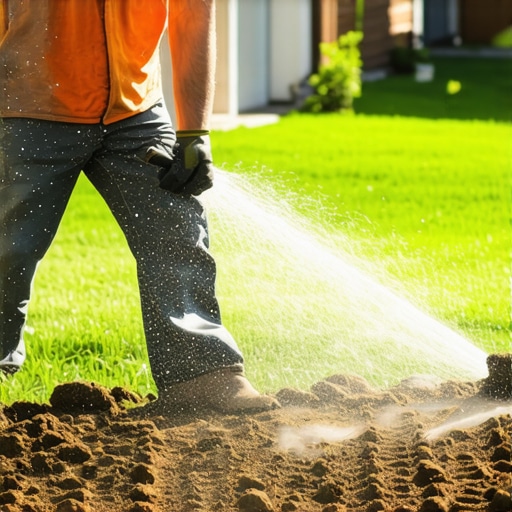
Many homeowners believe they can simply lay sod, run a sprinkler, and enjoy a perfect lawn, but this oversimplification often leads to costly mistakes. One of the most persistent myths is that watering manually or irregularly is sufficient for sod health. In reality, inconsistent watering causes uneven root development, making the grass susceptible to disease and drought stress. Investing in a well-designed irrigation system, tailored to your yard’s specific needs, can drastically improve sod establishment and long-term vitality. For an in-depth look at designing effective irrigation, explore top irrigation system design ideas.
Why do most people overlook soil quality in their landscaping efforts?
Many assume that soil quality is a minor detail when, in fact, it’s the foundation of a thriving landscape. Skipping proper soil preparation—such as removing weeds and rocks, and enriching the soil with compost—can lead to poor sod rooting and uneven growth. This mistake is common because people focus on the visible aspects like sod type or irrigation. But, neglecting soil health results in shallow roots, increased pest problems, and increased maintenance costs. According to experts, soil health is the single most critical factor influencing yard success, yet it’s often undervalued. For comprehensive soil prep techniques, check yard cleanup and soil prep tips.
What pitfalls do even experienced landscapers often fall into?
One advanced mistake is misjudging the timing of sod installation and irrigation. Most assume spring or early fall are the only optimal times, but in reality, the specific climate and microclimate in your yard matter more. Installing sod during extreme heat or cold without proper adjustments can hinder root development. Additionally, many landscapers overlook the importance of zone-specific watering—applying uniform watering schedules across varied sun exposures and soil types. A nuanced approach, like segmenting your yard into zones and customizing irrigation, yields much better results. For expert guidance, review professional sod install and irrigation best practices.
Have you ever fallen into this trap? Let me know in the comments. By understanding these hidden nuances and avoiding common misconceptions, you can elevate your landscaping game and ensure your yard’s success for years to come.
Maintaining a lush, healthy lawn over time requires more than just initial effort; it demands the right tools, consistent methods, and an eye for future-proofing your landscape. In my experience, investing in quality equipment and understanding advanced maintenance techniques can make all the difference in ensuring your yard stays vibrant year after year.
Why I Trust My Gear for Long-Term Lawn Success
One of my go-to tools is the Rain Bird ESP-TM2 sprinkler timer. It offers programmable zones and weather adjustments, which means I don’t have to worry about manually watering during rain or drought periods. This smart technology ensures my irrigation system adapts to seasonal shifts, saving water and promoting consistent root growth. Additionally, I rely on a high-quality Toro True Pick spike aerator for annual core aeration. This device effectively relieves soil compaction, enabling water and nutrients to penetrate deeply, which is crucial for healthy sod establishment and ongoing lawn vitality.
For soil health, I recommend using a soil pH meter like the BlueLab pH Pen. Regular testing allows me to adjust soil amendments precisely, creating an optimal environment for sod rooting and growth. Keeping track of pH levels and adjusting with lime or sulfur as needed prevents common issues like nutrient lockout or poor turf performance.
How do I maintain irrigation systems over time?
Routine maintenance is key. I check my sprinkler heads monthly to ensure they aren’t clogged or misaligned—especially after storms or winter. I also inspect hoses and valves for leaks, which can waste water and reduce efficiency. Upgrading to a smart controller with soil moisture sensors, like the ultimate irrigation tips, keeps watering needs precise and adapts automatically, making my system both eco-friendly and cost-effective.
In the coming years, I predict that automation and AI-driven landscape tools will become even more integral. From drone-based lawn assessments to predictive maintenance apps, the future landscape maintenance landscape is poised for innovation. Embracing these trends now can give you a head start in maintaining a beautiful yard with less effort.
Optimize yard cleanup for long-term results
Consistent yard cleanup isn’t just about aesthetics; it’s about health. I use a leaf blower and mulching mower combo to clear debris and recycle organic matter back into the soil. Regular removal of thatch and weeds keeps pests at bay and sustains healthy turf growth. For detailed strategies, I suggest reviewing yard cleanup and sod installation tips.
Finally, investing in durable, weather-resistant tools like a stainless steel rake and heavy-duty pruning shears ensures you can perform maintenance efficiently without replacing equipment frequently. These tools are designed to withstand the elements and last for years, making routine upkeep less of a chore and more of a pleasure.
To get started, I recommend trying out a soil moisture sensor paired with your irrigation system for smarter watering. This small upgrade can drastically improve your lawn’s health and reduce water waste. Remember, consistent care, quality tools, and staying ahead of maintenance trends will keep your yard thriving well into 2025 and beyond.
What I Wish I Knew About Yard Transformation
- My biggest breakthrough was realizing that soil quality is the secret sauce. Skipping proper prep led to patchy growth no matter how much I watered or how lush my sod was. Now, I focus on removing weeds, rocks, and enriching the soil with compost before laying sod, which makes all the difference.
- Another lesson I learned the hard way: zone-specific irrigation isn’t just fancy; it’s essential. I used to water uniformly, but understanding sun exposure and soil differences helped me design zones that get just the right amount of water, saving resources and boosting health.
- Timing matters. Installing sod during extreme heat or cold without adjusting my watering schedule hindered root development. Now, I install in optimal seasons and use smart timers with soil moisture sensors for consistent, efficient watering.
- Investing in quality tools like a durable soil pH meter and adjustable sprinkler heads pays off long-term. These tools help me fine-tune my yard care, preventing common issues like nutrient lockout and uneven watering.
- Finally, regular yard cleanup isn’t optional; it’s the foundation of a healthy lawn. I use leaf blowers and mulching mowers to recycle organic matter, reduce thatch, and keep pests away, ensuring my yard stays vibrant year-round.
My Essential Toolkit for Lawn Success
- Rain Bird ESP-TM2 sprinkler timer — I trust its weather adjustments and zone control to keep watering efficient.
- Toro True Pick spike aerator — annual aeration relieves soil compaction and promotes deep root growth.
- BlueLab pH Pen — regular soil testing helps me maintain the optimal pH for healthy sod rooting.
- Smart soil moisture sensors — I highly recommend integrating them with your irrigation system for automatic, precise watering.
Your Turn to Grow a Vibrant Lawn
Remember, turning your yard into a lush paradise in 2025 isn’t just about initial effort; it’s about consistent care, smart investments, and embracing new techniques. With patience and the right tools, your dream lawn is well within reach. Ready to start? Share your biggest lawn challenge below and let’s tackle it together!