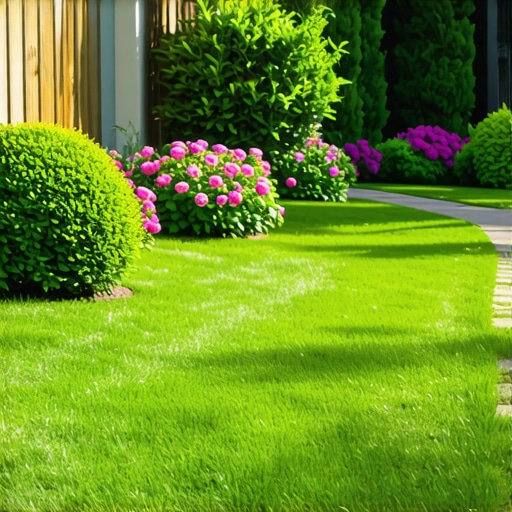
It was a chilly spring morning when I looked out my window and saw the disaster zone that was once my lush backyard. Leaves, twigs, and remnants of last year’s chaos had piled up like a mountain. I had a moment of realization: if I didn’t tackle this mess now, my garden would never reach its full potential in 2025. That lightbulb moment prompted me to rethink my entire approach to yard cleanup and landscaping, and I want to share that journey with you.
Why Getting Your Yard Ready Matters Right Now
Spring is the perfect time to start planning your yard’s transformation. A well-maintained garden not only boosts curb appeal but also creates a sanctuary for family and friends. Plus, investing in proper yard cleanup and landscaping now means fewer headaches later. According to landscapers, early preparation can increase your property’s value significantly—up to 12% in some cases (source). But honestly, I learned the hard way that rushing into it without a plan can lead to costly mistakes and wasted effort.
Have you ever faced the frustration of starting yard work only to realize you’re doing it all wrong?
Early on, I made the mistake of neglecting the importance of proper soil preparation and choosing the wrong tools. That oversight cost me time and money, and I ended up with a patchy, uninviting yard. It’s a common mistake, and one I want to help you avoid. With the right strategies, you can create a vibrant, healthy landscape that flourishes in 2025 and beyond.
In the sections ahead, I’ll walk you through proven tips and tricks—ranging from effective yard cleanup to professional sod installation and irrigation practices—that will set your garden apart. Ready to turn your yard into a masterpiece? Let’s get started with the essentials that will make your 2025 garden the envy of the neighborhood.
Clear the Clutter for a Fresh Start
Begin your yard transformation by removing all debris, dead plants, and overgrown weeds. Use heavy-duty rakes and leaf blowers to speed up the process. When I tackled my backyard, I started with a full cleanup, which made planting and sod installation much easier. This step is crucial because clutter can hide problem areas and prevent proper soil preparation. For detailed yard cleanup tips, check out top tips for a lush 2025 garden.
Prepare Your Soil for Success
Proper soil prep is like laying a solid foundation for a house. I tested my soil’s pH and added amendments to balance it, which significantly improved plant health. Loosen compacted soil using a rototiller or garden fork, making sure roots can breathe and penetrate easily. Incorporate organic compost to enrich nutrients, creating an inviting environment for sod and new plants. Avoid skipping this step; it’s a common mistake that leads to patchy growth. For expert advice, visit yard cleanup and soil prep ideas.
Install Sod Like a Pro
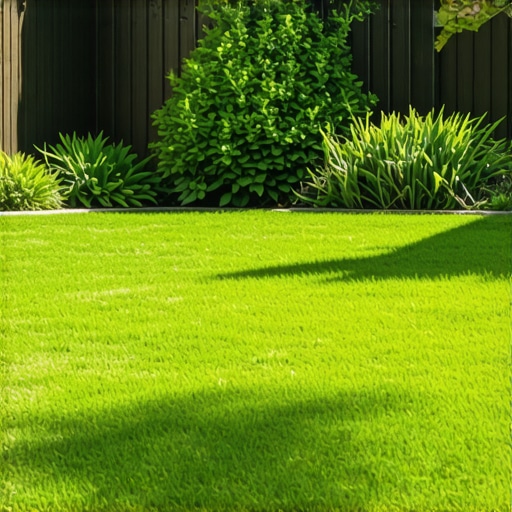
Sod installation is where your yard begins to look lush and inviting. I recommend laying sod in the early morning or late afternoon to prevent the sun from drying out the freshly installed grass. Roll out the sod in a brick-like pattern, staggering seams to avoid long, continuous joints. Use a sharp knife to trim edges for a seamless look. Immediately water the sod thoroughly—think of it as giving your lawn a refreshing drink after a workout. For best results, follow professional sod installation tips.
< >
>
Master Your Irrigation System
A well-designed irrigation system ensures your yard stays vibrant without wasting water. I learned this the hard way—my first system was uneven and inefficient. Now, I focus on zones, using adjustable sprinkler heads to target specific areas. Set timers for optimal watering times—early morning or late evening—and avoid overwatering, which can lead to root rot. I also added soil moisture sensors to prevent guesswork. For detailed irrigation strategies, visit best irrigation practices for 2025.
Fine-Tune with Maintenance and Care
After installation, regular maintenance like mowing, fertilizing, and aerating keeps your yard thriving. I schedule aeration every couple of years and apply fertilizer in the spring and fall. Keep an eye out for pests and weeds—early intervention saves headaches later. Consistent care turns a good lawn into a great one. For ongoing tips, visit top strategies for a vibrant 2025 lawn.
Many homeowners fall prey to misconceptions that can sabotage their yard transformation efforts. Let’s dig deeper into some of the most pervasive myths and why they might be holding you back from achieving a lush, healthy lawn in 2025. One widespread belief is that using only the cheapest sod and skipping professional installation will save money. In reality, cutting corners on quality often leads to patchy growth, disease, and costly replacements. Investing in high-quality sod and expert guidance can save you time and money in the long run, as detailed in this resource.
What advanced mistakes do homeowners make with irrigation systems?
Many think that setting a timer and walking away is enough. However, improper zone design and neglecting soil moisture levels can cause overwatering or underwatering, which stress plants and waste water. According to experts, a well-planned irrigation system that includes adjustable sprinkler heads and soil moisture sensors can dramatically improve efficiency, as explained here.
Another trap is assuming yard cleanup is just about removing leaves and debris. But neglecting soil aeration and proper grading can lead to compaction, poor drainage, and weed infiltration. Many overlook these nuances, resulting in a less resilient landscape. For the savvy homeowner, integrating comprehensive cleanup and soil health strategies is essential for a vibrant yard. Check out these expert tips.
Lastly, a common misconception is that landscaping is a one-time task. In fact, ongoing maintenance like fertilizing, aerating, and pest management is crucial. Without consistent care, even the best landscape can decline over time. For advanced lawn care strategies, visit this detailed guide.
Have you ever fallen into this trap? Let me know in the comments, and remember — understanding these nuances can make all the difference between a good yard and a breathtaking one in 2025.
Maintaining a lush, healthy lawn requires more than just initial effort; it hinges on using the right tools and adopting smart maintenance routines. Over the years, I’ve tested a variety of equipment and techniques that have made yard upkeep more manageable and effective, especially as we look toward 2025 where landscape standards are rising.
Why Invest in Quality Equipment for Long-Term Success
First, quality tools are the backbone of efficient yard maintenance. I personally swear by a high-powered cordless leaf blower, like the Stihl BGA 85. Its lightweight design and powerful airflow make clearing debris quick and less tiring, saving hours over the season. For soil preparation, I rely on a rototiller with adjustable tine speeds. Not only does it loosen compacted soil, but it also helps incorporate compost and amendments seamlessly. These tools are an investment, but they pay off by reducing labor and improving results.
Smart Irrigation Equipment for Water Efficiency
When it comes to irrigation, automation and precision matter. I recommend installing a smart sprinkler system like the Pro Sod Install irrigation system. It allows you to set watering schedules based on weather forecasts and soil moisture levels, which conserves water and prevents overwatering—a common mistake that can harm your lawn. Soil moisture sensors, integrated into the system, provide real-time data to fine-tune watering times, ensuring your yard stays healthy without waste.
Tools That Make Yard Cleanup a Breeze
Yard cleanup is more than a seasonal chore; it’s about maintaining soil health and preventing pests. I use a combination of a leaf vacuum and a garden rake with ergonomic handle to remove debris efficiently. For larger cleanups, a brush cutter helps clear overgrown areas quickly. Remember, regular leaf removal and debris clearing reduce mold and pest habitat, supporting a thriving landscape. For detailed cleanup routines, check out this guide.
How do I maintain my irrigation system over time?
Proper maintenance of your irrigation system extends its lifespan and keeps it functioning efficiently. I recommend inspecting sprinkler heads monthly to ensure they’re not clogged or damaged. Adjusting spray patterns prevents water wastage and uneven coverage. Seasonally, I flush the system to clear out any debris and check for leaks or broken components. Applying a sealant to exposed fittings can prevent corrosion. These simple steps ensure your irrigation system remains effective, conserving water and promoting healthy grass growth.
As trends move toward smarter, more sustainable landscaping, integrating IoT-enabled tools and automation will become standard. I encourage you to try upgrading your system with soil moisture sensors or programmable timers—they’re game changers for long-term yard health. Remember, consistency is key: regular inspections and timely repairs keep your tools working optimally, making yard maintenance less of a chore and more of a joy.
Start by evaluating your current equipment and identifying any gaps. Maybe it’s time to invest in a reliable leaf blower or a smart irrigation controller. Small upgrades now can lead to a stunning, healthy lawn that’s ready for 2025 and beyond.
The Hardest Lesson I Learned About Sod Installation and Yard Care
One of my biggest mistakes was rushing into sod installation without proper soil prep. I thought I could save time, but I ended up with patchy grass and weeds sprouting through the seams. It taught me that patience in soil preparation—testing pH, adding compost, and leveling—can make all the difference. This lightbulb moment pushed me to learn from experts and revisit my approach, which resulted in a lush, healthy lawn in 2025.
3 Myths About Irrigation and Landscaping That Held Me Back
For years, I believed that setting a timer was enough for irrigation. I didn’t realize how zone design and soil moisture levels could drastically improve water efficiency. Once I incorporated soil sensors and adjusted sprinkler zones, my lawn thrived with less water waste. Understanding these nuances helped me avoid common pitfalls, making my yard more sustainable and beautiful in the long run.
What Experts Won’t Always Say About Yard Cleanup
I used to think yard cleanup was just about raking leaves. But neglecting soil aeration and grading caused drainage issues and weed invasions. It was a wake-up call that comprehensive cleanup—removing debris, aerating, and grading—is essential for resilient landscapes. This insight saved me from costly repairs and gave my garden a fresh start, setting the stage for a perfect 2025 yard.
Where I Found the Best Tools for Yard Success
Investing in quality equipment like a cordless leaf blower and a sturdy rototiller transformed my maintenance routine. These tools reduced labor and increased efficiency, making yard work less of a chore. I trust brands like Stihl for reliability and durability, which truly pay off when maintaining a vibrant lawn in 2025.
Final thoughts: Your yard’s potential is within reach
Every lesson I’ve learned about sod, irrigation, and cleanup has brought me closer to a yard I’m proud of. The key is patience, continuous learning, and investing in the right tools and strategies. Your dream landscape is achievable—start today, and watch it flourish in 2025 and beyond.
Reading through this post really resonated with me because I, too, started my yard cleanup during an unexpectedly chilly spring. It’s amazing how much difference a thorough clean-up can make before planting season. I particularly agree with the emphasis on soil preparation; I’ve learned from past mistakes that skipping soil testing and amendments can lead to a patchy lawn. One thing I’d add is the importance of aeration in soil health — I’ve found that yearly aeration really improves water absorption and root growth. Also, investing in quality equipment like a good leaf blower and soil tester saved me hours of effort. I’m curious, has anyone here had success using organic fertilizers after soil prepping? I’ve been exploring more eco-friendly options and would love to hear your experiences. Overall, proactive planning and patience seem to be the keys to a lush, healthy yard that will flourish in 2025.
This post really hits home for me because I’ve learned firsthand how crucial early yard cleanup and soil prep are, especially for avoiding issues down the line. I tend to focus on organic fertilizers like composted manure after soil testing, which seems to promote healthy root systems and long-term soil fertility. Has anyone experimented with organic amendments in conjunction with soil sensors and automated irrigation? I find combining natural methods with tech really helps me maintain my lawn more sustainably. Also, I agree on the importance of proper equipment—my leaf blower and soil rake have been game changers. The idea of zone-specific watering with moisture sensors has really helped me reduce water waste while keeping my grass lush. What are some of your favorite eco-friendly solutions for soil health and pest control? It seems like a balanced approach to organic care and smart tech could produce a truly resilient yard. Would love to hear other folks’ tactics!