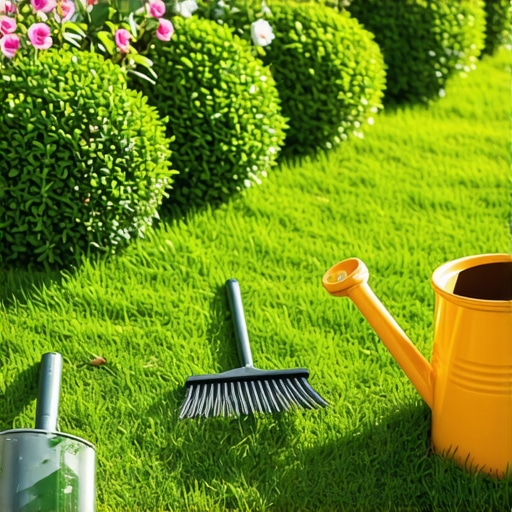
Ever spent hours battling a stubborn patch of weeds, only to realize your efforts barely made a dent? Or maybe you’ve looked at your overgrown lawn and wondered if it’s too late to salvage the season? I’ve been there. I remember one spring when I thought I had everything under control until I saw my yard after a heavy rain—an unruly mess that made me realize I’d overlooked some crucial steps. That lightbulb moment was a game-changer for my approach to yard care.
Why Getting Your Yard Ready Now Will Pay Off in 2025
The truth is, yard care isn’t just about aesthetics. A well-maintained landscape boosts your curb appeal, increases property value, and creates a peaceful retreat that you’ll enjoy year-round. But the real magic happens when you start early. This gives your lawn and plants the time they need to recover from winter, establish strong roots, and thrive during the growing season. Trust me, the difference between a rushed cleanup and a strategic plan can be like night and day.
According to the National Gardening Association, proper yard maintenance can add up to 15% to your property’s value. That’s a pretty compelling reason to invest in expert tips now. Plus, getting ahead of the season means fewer surprises and less stress once full-on gardening mode hits. I’ll walk you through what I’ve learned about the best practices, from sod installation to irrigation strategies, so you can avoid common pitfalls and achieve stunning results.
Have you ever faced an overwhelming yard cleanup that made you want to give up?
Early on, I made the mistake of neglecting my soil’s needs and skipping proper drainage. That led to a soggy lawn and a lot of wasted effort. It’s a mistake I don’t want you to repeat. Instead, I want to share proven methods that ensure your yard is healthy, lush, and ready for the year ahead. For expert advice on transforming your landscape, check out these professional irrigation and yard care tips.
Now, let’s dive into the practical steps that will set your garden up for success in 2025. From strategic cleanup to smart irrigation, I’ve got you covered.
Tackle Your Yard Cleanup Efficiently
When I first decided to overhaul my backyard, I approached it like cleaning a cluttered garage—by breaking it into manageable chunks. I started with removing debris, pruning overgrown bushes, and mowing the grass to a uniform height. This initial step clears the way for the real transformation. For a deeper dive into effective yard cleanup strategies, visit these expert yard cleanup tips.
Lay the Foundation with Healthy Soil and Drainage
Next, I focused on soil health. Think of your soil as the backbone of your yard—if it’s weak, everything else suffers. I aerated the ground to improve oxygen flow and added compost to enrich nutrients. Addressing drainage issues was crucial; I used a simple trench drain to prevent water pooling after heavy rains. Proper drainage prevents root rot and keeps your lawn lush. For detailed soil and drainage fixes, check out these soil improvement tips.
Choose and Prepare Your Sod Wisely
When I installed new sod, I treated it like laying a new carpet—carefully, and with precision. I cleared the old grass, leveled the ground, and laid the sod in a staggered pattern, pressing each piece firmly into the soil. Watering immediately after installation was key. I learned that matching the sod type to my climate and soil conditions maximized success. For expert guidance, explore top sod installation strategies.
Implement Smart Irrigation Techniques
Midway through my project, I realized that even the best grass needs consistent watering. I installed an automated sprinkler system that mimics natural rainfall—watering early mornings and avoiding midday evaporation. I adjusted heads to avoid runoff and unnecessary wastage. Proper irrigation is vital; overwatering can drown roots, while underwatering stunts growth. For tailored irrigation solutions, review these irrigation tips.
Add Water Features to Elevate Your Space
To give my yard a tranquil focal point, I added a small pond with a gentle waterfall. It was a messy process—digging, lining, and installing the pump—but the result was worth it. Water features like ponds or fountains boost aesthetic appeal and encourage beneficial wildlife. For inspiration and technical guidance, see water feature installation ideas.
Many homeowners believe they know the basics of sod installation and irrigation, but in reality, there are subtle pitfalls that can sabotage your yard’s health and appearance. Let’s dig deeper into the misconceptions and hidden nuances that often trip up even seasoned enthusiasts.
Why Overlooking Soil Preparation Sets You Up for Failure
Everyone says soil is the foundation, but few realize how critical proper preparation is. Simply laying sod on compacted or poor-quality soil leads to root development issues, drought stress, and weed invasion. Aerating and enriching your soil with compost before installing sod can dramatically improve root penetration and water retention. Skipping this step is a common mistake that can cost you months of recovery. For detailed soil and drainage fixes, check out these expert tips.
Don’t Fall for Myths About Instant Results
A prevalent myth is that irrigation systems should run for long periods to soak the ground. In truth, frequent shallow watering encourages shallow roots, making your lawn susceptible to drought. Instead, deep, infrequent watering encourages stronger root systems, leading to a healthier, more resilient yard. Modern irrigation strategies focus on mimicking natural rainfall patterns—watering early in the morning and avoiding midday sessions. To master this, explore these advanced irrigation tips.
Beware of the Trap: Ignoring Drainage Can Wreak Havoc
Many overlook drainage issues until it’s too late. Poor drainage can cause water pooling, root rot, and uneven grass growth. Installing a trench drain or adjusting grading might seem tedious, but it’s essential for a healthy lawn. If you neglect this, water will undermine your efforts, regardless of how well you install sod or set up irrigation. For insights into effective drainage solutions, visit these professional strategies.
How Can Advanced Techniques Elevate Your Yard?
For those seeking perfection, integrating smart irrigation controllers, soil sensors, and water-efficient sprinklers can optimize water use and improve turf health. These tools allow dynamic adjustments based on weather and soil moisture, ensuring your yard gets just what it needs. This precision reduces waste and promotes vigorous growth. If you’re ready to go beyond the basics, consider reading these expert recommendations for a cutting-edge approach.
Have you ever fallen into this trap? Let me know in the comments. Mastering these nuances can make all the difference between a lush, vibrant lawn and a constant battle with weeds and pests.
Keeping your yard healthy and vibrant over time requires more than just initial effort; it demands the right tools and consistent maintenance routines. Personally, I rely on a set of specialized equipment that has transformed my approach to yard care, ensuring my lawn remains lush and resilient year after year.
Invest in Quality Equipment for Long-Term Success
One of my go-to tools is a high-grade cordless aerator. Unlike traditional models, my cordless aerator offers the flexibility to cover large areas without worrying about extension cords or fuel, making periodic soil aeration both manageable and effective. Aeration is crucial for preventing soil compaction, which can choke roots and hinder water absorption. Using a quality aerator ensures I can do this regularly, supporting healthier turf and improving drainage—key factors discussed in professional yard care tips.
Next, I swear by a digital soil tester. Knowing the exact pH and nutrient levels allows me to tailor fertilization and soil amendments precisely. This prevents over-application of fertilizers, which can harm your lawn and waste money. Modern testers connect via smartphone apps, giving instant results and recommendations, streamlining my yard management.
Harness the Power of Smart Irrigation
Automated sprinkler systems are a game-changer. I installed a smart irrigation controller that adjusts watering schedules based on weather forecasts and soil moisture data. This technology ensures my lawn receives just the right amount of water—no more, no less—saving water and preventing root rot. As trends point toward greater integration of IoT devices in landscaping, I predict that smart irrigation will become even more autonomous and data-driven, enabling homeowners to maintain optimal conditions effortlessly.
To keep everything running smoothly, I use a dedicated app for scheduling and monitoring my irrigation system. It alerts me if there’s a leak or malfunction, allowing quick fixes before small issues escalate into costly repairs. For a detailed look at advanced irrigation strategies, visit these expert tips.
How do I maintain these tools over time?
Regular maintenance extends the lifespan of your equipment and keeps it performing at peak efficiency. For my aerator, I clean the tines after each use and lubricate moving parts monthly. My soil tester batteries get replaced annually, and I calibrate the device as recommended. For irrigation controllers, I update firmware and check connections seasonally. Developing a routine for equipment upkeep is vital—think of it as preventative health care for your yard tools. Properly maintained tools not only last longer but also provide more accurate results, which ultimately leads to a healthier, more beautiful lawn.
Incorporating these tools and maintenance practices into your yard care routine might seem like an investment, but the payoff is undeniable. Your lawn will thank you with increased resilience and beauty, making your outdoor space the envy of the neighborhood. Why not try upgrading to a smart irrigation controller or investing in a quality aerator this season? These steps can make a significant difference in your long-term landscape success.
The Hardest Lesson I Learned About Sod Installation and Irrigation
Early in my yard care journey, I underestimated the importance of soil preparation, which led to stubborn weeds and patchy grass that refused to thrive. It became clear that investing time in soil health—amending with compost and ensuring proper drainage—was the game-changer I needed. This lightbulb moment taught me that foundational work saves months of frustration down the line. For a deep dive into soil and drainage fixes, check out these expert tips.
3 Myths About Yard Care That Held Me Back
I once believed that installing a large sprinkler system would instantly green my lawn. Turns out, deep watering, not frequent shallow sprays, builds resilient roots. Another myth was that quick fixes like chemical weed killers would solve everything. I learned patience and consistent practices yield natural, sustainable results. Modern irrigation and lawn care strategies focus on mimicking natural rainfall—early morning watering, adjusting for weather. For advanced tips, explore these insights.
The Hidden Danger of Ignoring Drainage Problems
Water pooling after storms was my yard’s silent killer. I ignored it until roots started rotting and grass turned brown. Installing trench drains and adjusting grading seemed tedious but prevented future disasters. This experience showed me that drainage is the backbone of a healthy lawn; neglect it, and all efforts can be washed away. For proven drainage solutions, see these strategies.
Upgrading My Toolkit for Lasting Results
Investing in a cordless aerator transformed how often I aerate my soil, improving water absorption and root growth. A digital soil tester became my secret weapon, providing real-time nutrient info that guided my fertilization. Pairing these tools with a smart irrigation controller—programmed to adapt to weather—revolutionized my yard care routine. These investments pay off by reducing water waste and boosting lawn resilience. For recommended tools, visit these expert suggestions.
Why 2025 Is the Year to Elevate Your Yard
Now is the perfect time to start transforming your yard. With strategic cleanup, soil health, proper sod installation, and smart irrigation, you’ll set the foundation for a vibrant landscape that lasts. Imagine stepping into a lush, patch-free yard next year—your future self will thank you. Ready to take your yard to the next level? Dive into the comprehensive tips and tools I swear by, and make your 2025 garden the envy of the neighborhood.