
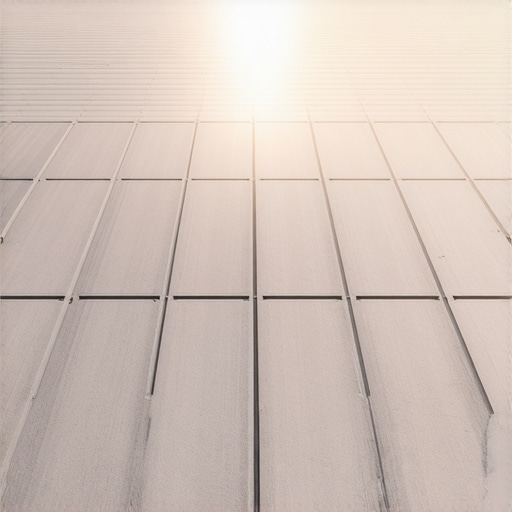
Why Trex Decking Pebble Gray Handles Intense Sun Better Than Traditional Wood
It is a sweltering July afternoon in the heart of a high-heat region. You step outside, coffee in hand, ready to enjoy your outdoor sanctuary. But as your bare feet hit the surface of your traditional pressure-treated pine deck, you immediately recoil. The wood is scorching, the surface is parched and splintering, and the heat radiating off the boards feels like an oven. This “barefoot test” is the ultimate decider for many homeowners when choosing between materials. While natural timber has been the standard for decades, the evolution of outdoor living has introduced a superior contender: trex decking pebble gray.
As a veteran in the industry, Michael McCloy – Director at McCloy Ltd and a specialist in composite solutions since 2008 – has seen thousands of decks succumb to the relentless UV rays of high-altitude and desert climates. The primary issue isn’t just the heat; it’s how the material manages it. When homeowners search for deck materials near me, they are often looking for aesthetics first. However, the performance of trex deck boards in intense sun is what truly defines the long-term value of the investment. In this guide, we will explore why the specific color profile of Pebble Gray, combined with Trex’s engineering, outperforms traditional wood in every thermal category.
The Science of Heat: Composite Density vs. Wood Fibers
To understand why trex decking pebble gray stays more resilient than wood, we have to look at the cellular level. Wood is a natural, fibrous material. While it is true that wood does not transfer heat as rapidly as high-density plastic in a vacuum, its vulnerability to UV radiation is its downfall. Wood is organic; it contains moisture and oils that the sun eventually bakes out. As the sun beats down, wood fibers dry, causing the boards to crack, warp, and splinter. This increased surface area from cracking allows even more heat to be absorbed, leading to a “thermal runaway” effect where the deck becomes progressively more uncomfortable each year.
In contrast, Trex is a composite decking solution made from 95% recycled materials, including reclaimed sawdust and plastic film. This high-density composition is wrapped in a protective shell. While older generations of composites were known for getting very hot, modern Trex engineering has mitigated this. Trex uses advanced pigments and shell technology to reflect a significant portion of the solar spectrum. Even in the Select line, where Pebble Gray is a staple, the boards are designed to resist the structural degradation caused by heat. Unlike wood, which darkens and “grays out” into a rough, heat-absorbing texture, Trex maintains its smooth, reflective surface year after year.
Michael McCloy notes that while Trex’s high-end Transcend line features “SunComfortable™ Technology,” the Select Pebble Gray remains a top performer because of its specific Light Reflectance Value (LRV). By choosing an engineered product over a natural one, you are investing in a material that won’t lose its structural integrity just because the thermometer hits triple digits.
Why Pebble Gray is the “Goldilocks” of Summer Colors
When selecting the best composite decking material, color choice is more than just a design preference – it is a functional decision. In the world of physics, dark colors absorb more light energy (and thus more heat), while lighter colors reflect it. This is why Pebble Gray is often referred to as the “Goldilocks” color for sun-drenched yards.
If you choose a very dark brown or deep mahogany, the deck will inevitably retain more heat. If you choose a stark white or very light tan, the glare can be blinding during the peak of the day. Pebble Gray sits perfectly in the middle. It is light enough to stay significantly cooler than dark-stained wood or deep-toned composites, yet it is dark enough to hide the inevitable dust and “paws-and-claws” traffic of a busy household. This balance ensures that your deck remains a usable space even during the hottest hours of the day, rather than a “no-go zone” until sunset.
Furthermore, gray tones offer a neutral palette that complements modern architectural trends. As we look toward Modern 2026 Curb Appeal: Dark Mulch and Gray Stone, the Pebble Gray profile fits seamlessly into contemporary landscape designs that prioritize cool, sleek aesthetics over the rustic, high-maintenance look of traditional timber.
Beyond the Surface: The Importance of Deck Foundations
While the boards get all the glory, the longevity of a deck in a high-heat environment depends heavily on what lies beneath. Intense sun doesn’t just affect the surface; it causes the ground to dry and shift, and the framing to expand and contract. This is why professional-grade decking footers are non-negotiable.
Without robust deck foundations, the thermal expansion of your composite boards can put undue stress on the frame. If you are browsing for deck supplies near me, you must ensure you are purchasing high-quality hardware and pressure-treated or steel framing that can handle the weight and movement of a composite system. A local deck depot will typically stock the heavy-duty fasteners and brackets required to keep a Trex deck stable during the extreme temperature swings common in places like Northern Utah.
A well-built foundation prevents the “bouncing” or “warping” sensation that can occur when cheap materials are used. Before you start building, consider How 3D Design Previews Stop Expensive Construction Errors Before They Happen. Visualizing the structural needs of your project ensures that your Pebble Gray boards stay flat and beautiful for their entire 25-year warranty period.
Competing with the Best: Deckorators vs. Trex
In any deckorators review, you will find that Trex has stiff competition. When comparing deckorators vs trex, it is important to look at the specific technology involved. Deckorators utilizes Mineral-Based Composite (MBC) technology, which allows for virtually no thermal expansion or contraction. This is a significant advantage in certain climates.
For example, the deckorators venture sandbar color offers a similar light-toned, heat-reflective benefit to Trex Pebble Gray. However, Trex remains the industry leader for ogden decks due to its superior availability, color consistency, and the sheer durability of its outer shell. While MBC products are lighter and stiffer, the Trex Select Pebble Gray offers a more traditional “wood-like” feel underfoot while maintaining a price point that is often more accessible for large-scale residential projects. Both brands are excellent, but Trex’s established history in high-UV zones gives many homeowners the peace of mind they need when making a long-term investment.
Maintenance and Longevity in High-UV Zones
The true beauty of a low maintenance deck is realized during the hottest months of the year. If you have a wood deck, summer is usually the time for chores. You have to sand down the splinters, apply a fresh coat of UV-resistant stain, and hope the wood doesn’t “check” or crack before the season is over. This cycle is expensive, time-consuming, and physically demanding.
With trex decking pebble gray, your maintenance routine is simplified to a seasonal wash with soap and water. The UV inhibitors are not just a surface coating; they are baked into the Trex shell. This prevents the “graying out” effect seen in natural timber. While wood turns a dull, unattractive silver-gray as it loses its lignin to sun damage, Pebble Gray is designed to stay exactly the same shade for decades.
Michael McCloy often tells clients that the “Total Cost of Ownership” (TCO) is where Trex truly shines. While wood might be cheaper on day one, the cost of stain, brushes, and professional labor every two years quickly surpasses the initial cost of a composite deck. Moreover, while you are maintaining your deck, you could be focusing on other aspects of summer home care, such as The Best Way to Water Your Lawn During a Heatwave to keep your entire outdoor space looking lush.
Completing the Look: Railing and Accessories
A deck is more than just the boards under your feet; it is a complete system. To maximize airflow and keep your deck feeling cool, the choice of deck railing is vital. Heavy, solid wood railings can block breezes and trap heat on the deck surface. Instead, many modern homeowners are opting for composite deck railing paired with cable deck railing systems.
Cable railing, in particular, allows for maximum ventilation, letting the summer breeze pass through the deck area and naturally cool the boards. If you are looking for a high-end aesthetic match for Pebble Gray, the timbertech fulton rail offers a clean, minimalist look that mirrors the durability of the Trex boards. Don’t forget to include accessories for deck builds, such as integrated LED lighting. Because Pebble Gray reflects light so well, subtle deck lighting at night creates a beautiful, ambient glow that makes the space safer and more inviting long after the sun has set.
Conclusion: Making the Switch for 2026
Choosing a deck material is a decision that will impact your home’s value and your quality of life for the next quarter-century. While traditional wood has a certain nostalgic charm, it simply cannot compete with the thermal performance and UV durability of trex decking pebble gray. By selecting a color that naturally reflects solar energy and a material that won’t splinter or warp, you are ensuring that your outdoor space remains a comfortable retreat rather than a maintenance burden.
If you are ready to upgrade your outdoor living experience, start by searching for decking near me or visiting your local utah deck supply specialist. At Ogden Deck Depot, we provide the expertise and the inventory to help you build a deck that stands up to the sun and looks beautiful for years to come. Don’t settle for a scorched deck – choose the engineered resilience of Trex Pebble Gray.