
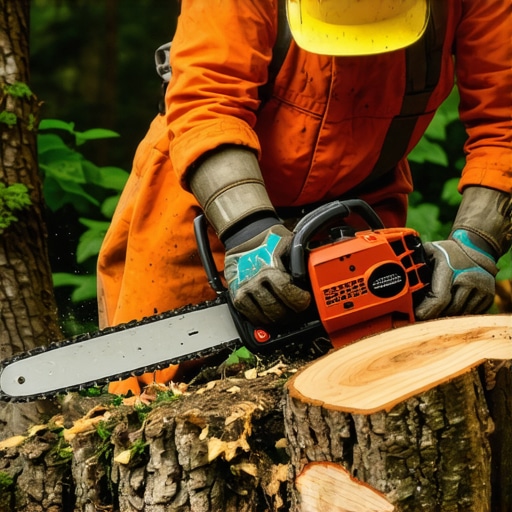
Diagnosing Tree Health: Why the Scratch Test is Your First Line of Defense
Identifying dead wood in 2026 requires a forensic examination of the vascular cambium. By utilizing the scratch test, arborists can differentiate between temporary dormancy and irreversible necrosis, ensuring that healthy structural scaffolding is preserved while pathogenic hazards are mitigated through precision pruning. It is not enough to look at a branch and assume it is dead because it lacks foliage. You must look deeper. I always drill into my new crew members: if you don’t fix the soil grading first, every plant you put in the ground is just expensive compost. The same applies to trees. If you don’t diagnose the wood properly, you are just making expensive mistakes with a chainsaw. Last season, I had to explain to a client why their $5,000 Maple died: they let a mow-and-blow crew hack away at what they thought was dead wood in mid-July, only to realize they were cutting off the tree’s primary cooling system during a record heatwave. Those hacks didn’t know the difference between a dormant bud and a dead twig.
“The vascular cambium is the thin layer of living cells between the bark and the wood: it is the life-blood of the specimen.” – Penn State Agricultural Extension
How to Perform a Precision Scratch Test
The scratch test is a tactile diagnostic procedure used to verify the viability of woody perennials by exposing the living tissue layers. To perform this, use a sharpened thumbnail or a small, sterilized pocket knife. Select a small twig or a secondary branch that appears brittle. Gently scrape a 1-inch section of the outer bark. If you see a moist, vibrant green layer, that is the cambium. The branch is alive. If you see brown, dry, or stringy fibers, that section of the wood has succumbed to vascular cavitation or fungal infection. It is dead. You must repeat this at several points along the branch to find the demarcation line between life and decay. This is critical for landscaping longevity. If you cut too far back, you leave the tree open to pests. If you don’t cut far enough, the decay spreads into the heartwood. It is a precise game of millimeters.
The Science of Xylem and Phloem Failure
When wood dies, it is usually a result of hydraulic failure within the xylem vessels. In 2026, we are seeing more instances of abiotic stress caused by erratic irrigation schedules and soil compaction. When the root flare is buried under too much mulch or soil, the tree suffocates. This leads to dieback in the upper canopy. The scratch test tells us the story of the tree’s internal moisture. A green cambium indicates that the phloem is still actively transporting sugars from the leaves to the roots. When that transport stops, the tissue oxidizes and turns brown. This is the necrotic signal. Proper yard cleanup involves identifying these dead zones before they become breeding grounds for boring insects or bracket fungi. Don’t wait for the branch to fall on your house. Test it now.
| Branch Symptom | Cambium Status | Diagnosis | Required Action |
|---|---|---|---|
| Brittle and Grey | Dark Brown/Dry | Necrotic | Immediate Removal |
| Supple but Leafless | Bright Green | Dormant | Monitor Irrigation |
| Pockmarked Bark | Pale Yellow | Stressed | Soil Aeration |
| Peeling Bark | Black/Spongy | Fungal Rot | Sanitary Pruning |
Equipment for Professional Pruning and Removal
Using the right tool is the difference between a clean heal and a permanent scar. For branches under 1 inch, use bypass pruners, never anvil pruners. Anvil pruners crush the vascular tissue, which leads to more dead wood next season. For larger limbs, a tri-edge folding saw is necessary to ensure a clean cut. Professional landscaping requires sharp blades: dull tools create jagged edges that trap moisture and invite Verticillium wilt. After you remove the dead wood, you need to consider the ground beneath. If your removal process involved heavy machinery or significant foot traffic, you may need a sod install to repair the compacted turf. Soil compaction is a silent killer of root systems. It limits oxygen exchange and forces the tree to shed more wood in an attempt to survive.
“Proper pruning is the first line of defense against structural failure in urban canopies.” – International Society of Arboriculture (ISA)
How much dead wood is normal for a mature tree?
A mature tree can naturally shed up to 5 percent of its canopy per year through a process called cladoptosis. This is the tree’s way of pruning itself to focus energy on high-efficiency leaves. However, if you see more than 15 percent of the canopy turning brown or failing the scratch test, you have a systemic health crisis. This is often linked to poor irrigation or chemical runoff. You must look at the dripline of the tree. Are there signs of nutrient lockout? Is the soil pH too high? Removing 2026 dead wood is only half the battle: the other half is ensuring the soil biology is healthy enough to support new growth. This is why professional yard cleanup includes more than just raking leaves: it involves a site-wide diagnostic of the growing environment.
- Step 1: Visual inspection of the canopy for flagging.
- Step 2: Perform scratch tests at 3-foot intervals.
- Step 3: Mark dead limbs with biodegradable flagging tape.
- Step 4: Use the 3-cut method to prevent bark stripping.
- Step 5: Apply organic soil conditioners to the root zone.
Post-Removal Site Recovery and Sod Installation
Once the dead wood is gone, the landscape often looks bare. This is the time for a sod install to stabilize the soil and improve water infiltration. New sod provides a thermal blanket for the remaining tree roots, keeping them cool during the summer peaks. We see too many homeowners leave bare dirt after a yard cleanup. This is a mistake. Bare soil erodes and loses its microbial diversity. A high-quality landscaping plan integrates the removal of old wood with the immediate installation of new ground cover. Ensure your irrigation system is calibrated to provide 1 inch of water per week, delivered in two deep cycles. This forces the roots of both the sod and the trees to grow deeper into the profile, making them more resilient to the droughts we expect in 2026. Stop over-watering the surface. It will rot the crown. Deep, infrequent cycles are the law.