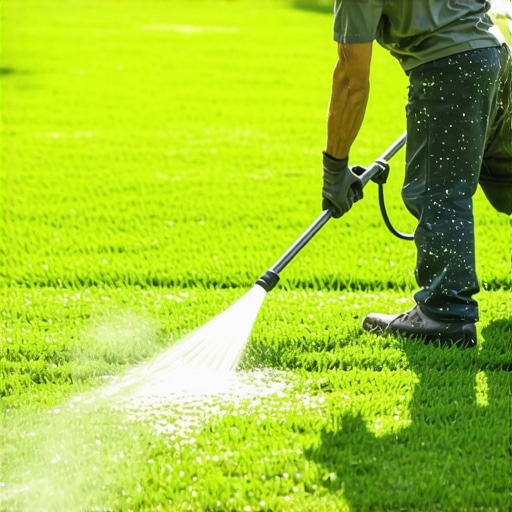
I remember the moment clearly — after a long weekend of battling weeds, patchy grass, and a stubborn dry spot, I looked at my yard and felt a wave of frustration. It was as if all the effort I poured in was just making things worse. That was my lightbulb moment: I needed a smarter approach, not just harder work. If you’ve ever stood in your yard, staring at uneven patches or wilting grass, you know exactly what I mean. It’s a common struggle — but here’s the good news: with the right techniques, you can turn that dream yard into a reality.
Why Proper Sod Installation and Irrigation Matter in 2025
In today’s landscape, a lush lawn isn’t just about aesthetics — it’s about building a healthy, resilient yard that can stand up to droughts, pests, and foot traffic. The secret lies in professional sod installation combined with smart irrigation strategies. Done right, these practices set the foundation for a vibrant, green haven that lasts. I’ve learned from personal experience that rushing through sod laying or ignoring your watering schedule can lead to disappointment, dead patches, and wasted money. According to landscape experts, investing in quality sod and efficient irrigation systems can increase your yard’s health and appearance dramatically, sometimes doubling its value and visual appeal (source). Now, I want to guide you through what works in 2025 for a yard that can truly wow.
Is Overwatering or Underwatering the Biggest Enemy?
Early in my journey, I made the common mistake of overwatering, thinking more water meant a healthier lawn. Spoiler alert — it doesn’t. Too much water invites disease, while too little causes stress and brown patches. Finding that sweet spot is key. The right irrigation strategies, such as zone watering and timed schedules, can make a huge difference. For detailed tips, check out my favorite resources on irrigation best practices (more info). It’s all about smarter watering, not just more watering. Facing this issue yourself? You’re not alone, and there’s a straightforward way to fix it.
Prep Your Ground for Success
Start by removing any existing weeds, debris, or dead grass. Use a rake or garden tiller to loosen compacted soil, ensuring proper nutrient flow. Think of this step as laying a clean foundation for a house; it sets the stage for everything to follow. I once neglected this, and my new sod struggled to root properly, leading to patchy growth. Taking the time now prevents headaches later.
Clear Out the Old
Remove all debris and old turf to create a smooth, level base. Use a landscape rake to brush away stones and roots. This rough groundwork is like preparing a canvas before painting — clarity here leads to a vibrant finish.
Level and Slop Wisely
Establish slight slopes for drainage—about a 1% grade away from your house. Use a level or string line to check flatness and slope. A properly graded yard prevents water pooling, which can drown roots. I learned this the hard way when my sod sat in standing water after a heavy rain, causing rot. Proper slope is your insurance policy against such issues.
Lay the Sod Smartly
Measure your yard carefully, then cut sod pieces to fit snugly, much like puzzle pieces. Place fresh sod tightly against each other, avoiding overlaps. Think of it as laying bricks for a wall—close fit ensures quick rooting and a seamless look. I once hurried the job and had gaps, which delayed rooting and increased weed invasion. Patience here pays off.
Unroll from multiple sides to minimize handling and keep roots moist. For larger lawns, work in sections to stay organized. This methodical approach saves time and reduces errors.
Secure and Water Immediately
Stakes or staples can keep sod in place, especially on slopes or high-traffic areas. After installation, water the new sod deeply—about an inch—within 30 minutes. This jump-starts root growth and prevents drying out. I still remember my first water, flooding some areas but leaving others dry; adjusting watering zones in the system later made a big difference.
Automate and Fine-Tune Your Watering
Set up a timer-based irrigation system with zones tailored to your yard’s needs. Use smart controllers that adjust watering based on weather forecasts for efficiency. Think of your irrigation system as your yard’s pulse—consistent, well-timed beats keep everything alive. I installed a zone-specific drip and spray system, which significantly reduced overwatering and runoff.
Test your system regularly—look for dry spots or puddles—and tweak zones accordingly. Incorporate moisture sensors for real-time feedback, preventing over- or under-watering. This proactive management makes a visible difference—lush, green, and healthy turf that’s resilient against stress.
Monitor and Adjust Weekly
Keep an eye on your soil moisture and weather patterns. During dry spells, increase watering; after rain, dial back. Use a simple soil moisture meter to guide you. I failed to check regularly at first, which caused brown patches. Now, routine checks ensure my lawn stays vibrant, healthy, and drought-resistant.
Remember, consistent maintenance and a strategic approach to sod and irrigation are keys. For more detailed tactics on these aspects, explore pro tips for sod and irrigation mastery. With patience and precision, your yard can become the envy of the neighborhood, thriving throughout every season.
Many homeowners approach yard renovation with good intentions, but often fall into misconceptions that can undermine their efforts. A prevalent myth is that more aggressive fertilization or watering leads to a lush, healthy lawn. In reality, overly fertilizing or overwatering can cause root rot, pest issues, and runoff pollution. Expert studies highlight the importance of precise nutrient management and water conservation, emphasizing that quality and balance outweigh quantity (source). Understanding these nuances is vital for sustainable, effective landscaping.
Another misconception involves sod installation—many believe that laying sod haphazardly saves time and effort. However, irregularly cut or poorly fitted sod patches delay rooting, invite weeds, and can cause uneven growth. Properly measuring and cutting sod to fit like a puzzle, then ensuring tight seams, boosts rooting speed and uniformity. If you’re interested in mastering this process, check out my detailed guides on expert sod installation tips.
In irrigation, the biggest mistake is neglecting zone-specific watering. Many assume one sprinkler system suits all areas, leading to dry patches or overwatering. Advanced irrigation designs segment lawns into zones, delivering tailored moisture levels. Incorporating smart controllers and moisture sensors optimizes this process, conserving water and enhancing lawn health. For a deeper dive into these strategies, explore this comprehensive resource.
What Advanced Homeowners Overlook in Yard Makeovers?
Beyond basic methods, a key overlooked factor is soil health. Many skip soil testing, assuming existing soil is sufficient. Yet, poor soil structure can hinder water absorption, nutrient uptake, and root development. Implementing soil amendments like compost or biochar, based on testing, can dramatically improve plant vitality. This practice is supported by agricultural research indicating that soil conditioning boosts plant resilience and reduces maintenance needs (source).
Another nuanced mistake involves neglecting drainage planning during sod installation and landscaping. Standing water drowns roots and accelerates erosion. Ensuring proper grading, with a slight slope away from structures, combined with drainage solutions like French drains, protects your investment. Skipping this step can lead to costly repairs down the line. For more on avoiding such pitfalls, visit my recommended yard grading and drainage tips.
Let’s also touch on a common trap: overestimating the importance of aesthetics over functionality. A perfect-looking yard that isn’t irrigated efficiently or has poor soil health will deteriorate quickly. Striking a balance between visual appeal and practical sustainability ensures lasting beauty. Implementing a holistic approach—considering soil, water, and plant health—serves as the foundation for a resilient, vibrant lawn. For a comprehensive look at integrating these elements, refer to my guide on professional landscape integration.
Are you guilty of any of these misconceptions? Understanding the hidden intricacies can save you time, money, and effort. Ready to elevate your yard game? Dive into these resources or share your experiences below. Together, we can perfect the art of sustainable, beautiful landscaping.
Keep Your Yard in Top Shape with the Right Tools
Once your landscape and irrigation system are in place, maintaining their performance over time requires the right tools that combine precision and durability. Personally, I rely on a high-quality soil moisture meter, like the
Long-Term Results Require Consistent Tuning
Achieving sustained excellence in your yard’s appearance hinges on regular testing and system adjustments. I schedule monthly soil tests to monitor nutrient levels, adjusting fertilization schedules accordingly. Technologies like weather-based smart controllers have become game changers, especially the Rachio Wi-Fi Smart Sprinkler Controller, which seamlessly adapts watering schedules based on forecast data, conserving water and preventing drought stress. Applying these tools consistently ensures your yard remains resilient, especially as seasons change. Regularly inspecting and cleaning sprinkler heads—removing dirt and debris—also prevents uneven watering and dry patches, maintaining the lushness I aim for. As I look ahead, integrating more AI-driven landscape monitoring systems could further optimize yard health, reducing manual labor and errors.
How do I maintain irrigation and landscaping efficiency over time?
In my experience, the key to long-term efficiency lies in routine checks and embracing new technology. Using moisture sensors, like the sensor-based watering systems, helps fine-tune irrigation, preventing waste and stress. Periodic system audits, including sprinkler head alignment and pressure testing, ensure optimal coverage. I also recommend scheduling seasonal mulching; it conserves soil moisture and suppresses weeds, reducing overall maintenance efforts. Layering these practices with a disciplined maintenance routine keeps the investment in your yard paying off year after year. With advancements pointing toward more integrated landscape management tools, the future promises even smarter, more autonomous systems—making yard care almost self-sufficient.
To get started, I suggest implementing a moisture sensor to your irrigation setup today. It’s a straightforward upgrade that can instantly improve water efficiency and plant health. For further guidance, explore detailed strategies at professional irrigation advice. By investing in the right tools and routinely maintaining your system, you’ll ensure your yard remains vibrant and healthy for years to come. Remember, proactive care today saves costly repairs later, and embracing the latest tech can make the journey both easier and more rewarding.
What Truly Separates the Pros from the Rest in Yard Transformation
One of my biggest lightbulb moments was realizing that consistent, small adjustments often lead to the most dramatic improvements. Early on, I believed that a single weekend of intense labor would fix everything — but I was wrong. It’s the daily tweaks, like checking soil moisture levels or fine-tuning sprinkler zones, that truly make the difference. Learning to interpret these little signals helped me avoid costly mistakes and gave my yard a resilient, vibrant look that lasts.
My Go-To Tools for Lasting Yard Success
The right tools can turn a daunting task into a manageable project. I trust the WaterScout Soil Moisture Sensor because it provides instant feedback, helping me prevent overwatering or underwatering. A sturdy landscape rake has been invaluable for yard cleanup and aeration, while my electric trimmer keeps edges tidy with minimal effort. These tools have transformed my routine, making maintenance more enjoyable and results more consistent. For comprehensive guidance on essential equipment, check out my suggested yard cleanup strategies.
The Secret to Keeping Your Lawn Gorgeous Without Burning Out
Long-term yard health relies on routine assessment and smart technology. I schedule monthly soil tests and rely on weather-adaptive controllers like the Rachio Wi-Fi Smart Sprinkler Controller. These systems adapt watering schedules based on real-time weather data, conserving water while promoting lush growth. Regularly inspecting sprinkler heads and cleaning them ensures targeted coverage, preventing dry patches. Looking forward, integrating AI-driven monitoring could further simplify yard management—imagine a system that learns and adjusts automatically. What’s your favorite tech for yard care? Share below and let’s learn together!
From Myth to Mastery: Common Mistakes and What I Learned
One misconception I had was privatizing soil health, thinking existing soil was enough. Testing revealed I needed amendments like compost, which revitalized my plants’ vitality. I also used to overlook drainage, leading to waterlogged patches that decayed roots. Proper grading and drainage solutions like French drains transformed these problem spots into beautiful, healthy areas. Recognizing these hidden factors and addressing them early saves time and money—and ultimately results in a yard that truly excites.
Elevate Your Yard Care in 2025 and Beyond
The key to a flourishing yard isn’t just about DIY efforts—it’s about mastering the art of steady, informed improvement. Embracing tools, trusting expert advice, and learning from lessons like my own can accelerate your progress. Whether you’re sprucing up your lawn or designing an outdoor oasis, remember that each small change contributes to a landscape you’re proud of. Ready to take your yard to the next level? Dive into the resources above and start today!
Have you ever experienced a turning point in your yard-care journey? Share your story below, and let’s grow better yards together.