
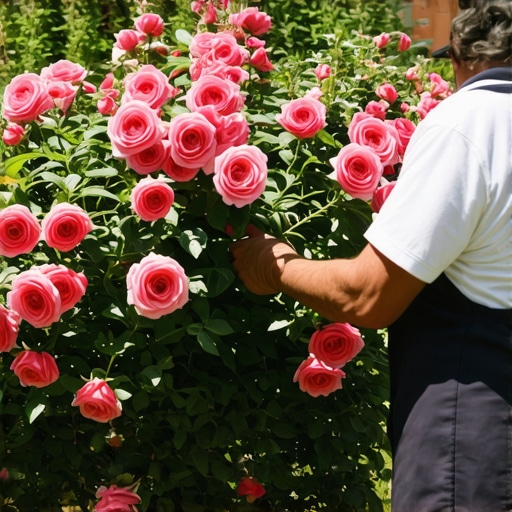
The Engineering of a High-Performance Rose Garden
I always drill into my new crew members: if you don’t fix the soil grading first, every plant you put in the ground is just expensive compost. I’ve seen hundreds of rookies walk onto a job site with expensive bypass pruners only to start hacking at a shrub without looking at the root flare or the soil compaction. Rose pruning is not about aesthetics; it is about managing the plant’s vascular system. If you don’t understand how auxins move through the cambium layer, you are just wounding the plant. Stop thinking like a gardener and start thinking like a hydraulic engineer. You are directing energy flow.
The Critical Relationship Between Pruning and Rose Health
Pruning roses involves the strategic removal of dead, diseased, or crossing canes to redirect the plant’s energy toward high-quality reproductive growth and UV penetration. By thinning the canopy, you significantly increase airflow, which is your primary defense against fungal pathogens like black spot and powdery mildew. It is physics. More air means less moisture; less moisture means fewer spores. Don’t skip the clean-out. It will rot.
“Proper pruning is the most important cultural practice for maintaining rose vigor and flower quality, as it stimulates new growth from the base which produces the best blooms.” – American Rose Society Manual
How do I know when it is time for a yard cleanup and rose pruning?
In most temperate zones, the time to strike is late winter or early spring, specifically when the forsythia begins to bloom. This signals that the dormancy cycle is breaking and the plant is ready to push sap into the buds. If you wait too long, you’re wasting the plant’s stored energy. If you go too early, a late frost will kill the new growth. Precision matters.
The Site Preparation: Irrigation and Soil Foundation
Before you ever touch a cane, you must evaluate the landscape engineering. Roses are heavy feeders and require impeccable drainage. If your irrigation system is throwing water onto the foliage, you’ve already lost the battle. Overhead watering is a death sentence in humid climates. You need drip irrigation or soaker hoses buried beneath 2 inches of hardwood mulch. This keeps the roots hydrated while the leaves stay bone dry.
What is the best irrigation setup for roses?
A professional irrigation setup for a rose garden should deliver exactly 1 to 1.5 inches of water per week directly to the soil surface. This forces the roots to grow deep into the subsoil, seeking moisture and stabilizing the plant against thermal fluctuations. Shallow watering leads to weak plants. Do it right.
| Rose Category | Pruning Intensity | Optimal Timing | Primary Goal |
|---|---|---|---|
| Hybrid Tea | Hard (12-18″ height) | Late Winter | Large, exhibition blooms |
| Floribunda | Moderate (1/3 reduction) | Early Spring | Massive flower clusters |
| Climbers | Light (Thinning only) | After First Bloom | Structural horizontal growth |
| Shrub Roses | Mechanical/Hedge | Anytime dormant | Density and coverage |
The Step-by-Step Pruning Protocol
Start with the Three Ds: Dead, Damaged, and Diseased. Use a pair of sharp, sanitized bypass pruners. Never use anvil pruners; they crush the xylem and phloem, creating a jagged wound that invites borers. Look for the ‘pith’ or the center of the cane. If it isn’t white and creamy like the inside of a Granny Smith apple, keep cutting lower until you hit healthy tissue. If it’s brown, it’s dead. Cut it out. Next, identify the outward-facing buds. You want to make your cut at a 45-degree angle, approximately 1/4 inch above that bud. This angle ensures that rainwater sheds off the cut rather than sitting on top and causing rot. Simple geometry. Don’t leave a stub.
How much modified gravel do I need for a patio base?
While often asked during a landscaping overhaul, the answer depends on soil type, but generally, a 4-to-6-inch base of CR6 or 21A modified gravel is required for stability. This is relevant for rose beds too—ensure your bed isn’t sitting in a low spot where water collects. If your sod install was done incorrectly and the yard slopes toward the roses, you need to regrade immediately. Hydrostatic pressure in the soil will drown the root hairs.
Managing the Ground: Yard Cleanup and Mulching
The yard cleanup phase is where most hacks fail. They leave the old rose leaves on the ground. Those leaves are fungal reservoirs. Every single leaf you prune or that falls naturally must be bagged and hauled away. Do not compost them. You are just breeding the enemy for next year. Once the ground is clear, check your soil pH. Roses prefer a slightly acidic environment, between 6.0 and 6.5. If you’re over 7.0, your plant cannot uptake iron or manganese, no matter how much fertilizer you dump on it. Use elemental sulfur to bring it down. Science, not guesswork.
“Air circulation within the canopy is the primary defense against fungal infection in humid climates; without it, chemical interventions are largely ineffective.” – Texas A&M AgriLife Extension
Pruning Checklist for Success
- Sterilize tools with 70% isopropyl alcohol between every plant.
- Remove any suckers emerging from below the graft union.
- Prune to create a ‘vase’ shape, opening up the center for light.
- Remove canes thinner than a standard pencil; they won’t support heavy blooms.
- Apply a thin layer of dormant spray (lime sulfur) to kill overwintering pests.
Post-Pruning Maintenance: The First 90 Days
After the cuts are made and the yard cleanup is complete, the focus shifts to nutrition. High-nitrogen fertilizers are for sod installs and lawn care, not for roses. You want a balanced NPK ratio like 5-10-5 or 10-10-10. You need phosphorus for root development and bloom production. Once the new leaves are the size of a squirrel’s ear, start your preventative spray program if you live in a high-blackspot area. Consistency is key. A rose bush is a living machine. Treat it like one. If you treat it like a decoration, it will fail. Maintain the irrigation, monitor the soil moisture, and stay aggressive with the pruners. That is how you get massive blooms.