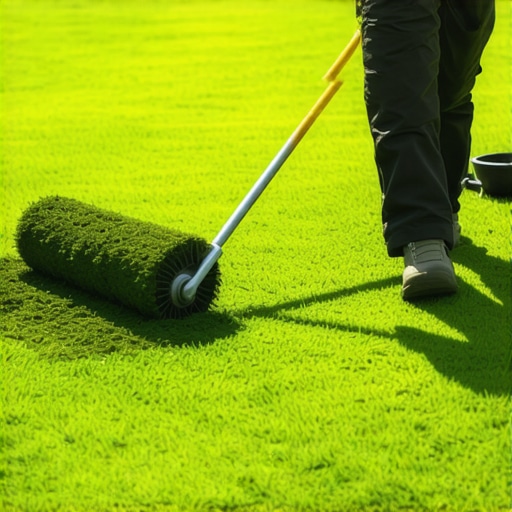
I still remember the moment I looked out at my yard and realized I had spent so much time and effort on landscaping that my grass looked patchy, tired, and uninviting. It was a lightbulb moment—my previous approach to sod installation and irrigation was just not cutting it. That frustration sparked my quest to find strategies that would actually give me that lush, vibrant lawn I dreamed of for 2025. If you’ve ever faced the disappointment of a lawn that refuses to thrive despite your best efforts, you’re not alone. Today, I’m here to share the proven methods I’ve learned to turn that frustration into lawn envy.
Why Getting Your Sod and Irrigation Right Matters in 2025
In the rapidly evolving world of landscaping, staying ahead means adapting to new techniques and technologies that promise better results. This year, the focus is on ensuring our lawns are healthy, sustainable, and visually stunning. Proper sod installation paired with a thoughtfully designed irrigation system can make all the difference. As a gardener who’s been there, I can tell you that neglecting these essentials often leads to wasted time, money, and priceless weekend hours spent battling brown patches or overgrown weeds.
Research indicates that a well planned irrigation system can reduce water waste by up to 30%, while simultaneously improving turf health and resilience against droughts—an increasingly common challenge in 2025 (source: https://urbanlandscapingx.com/effective-irrigation-system-design-landscaping-ideas-for-a-healthy-2025-yard). That’s a win-win for both your wallet and the environment.
But here’s the catch: many people, myself included early on, overlook the importance of a strategic approach to sod and irrigation, assuming that just laying down grass and turning on the tap is enough. I made that mistake big time. My lawn ended up patchy and thirsty for attention. It wasn’t until I invested in a proper irrigation plan and learned the nuances of sod installation that I finally started to see real progress.
Are you tired of constantly troubleshooting your lawn, only to see results fall short? If so, you’re about to discover practical tips that will help you create a lush, healthy yard in 2025, without unnecessary guesswork or costly mistakes. Let’s dive into these game-changing strategies so you can enjoy a stunning lawn all year round.
Start by clearing your yard of debris, weeds, and dead grass. Use a rake to remove the top layer of soil generously, resembling a fresh canvas for your new lawn. I recall a weekend where I spent hours removing old roots and weeds, making the soil smooth and ready for sod. Proper cleanup ensures better root contact and reduces weed competition, leading to faster establishment. Use a professional yard cleanup to streamline this process.
Test your soil pH and nutrient levels with a simple kit. If the soil is compacted or too acidic/basic, amend it accordingly. I remember having to add lime to my soil after a test showed acidity, which improved sod root growth significantly. Aerate the soil if it’s heavily compacted, like using a giant fork or aerator machine. Think of it as giving your lawn relief from suffocation, similar to opening vents in a sealed room. Better soil conditions promote healthy sod installation and irrigation efficiency.
Select grass varieties compatible with your regional climate and sunlight exposure. Warm-season grasses like Bermuda suit hot summers, while cool-season grasses like Bluegrass thrive in cooler months. I tried a cheaper sod that struggled under my summer sun, leading to patchy spots. Invest in high-quality sod from reputable suppliers, crucial for a lush yard. You can explore options further with pro sod installation tips.
Lay the sod in a brick-like pattern, staggering seams to avoid long straight joints. Each piece should be tightly fitted without gaps. My first attempt was messy—I left gaps and overlapped edges. This caused uneven growth. Use a sharp knife for trimming edges and ensure contact with soil for rapid rooting. Water the newly laid sod immediately after installation. Think of it as fitting puzzle pieces snugly so they grow into a seamless lawn. Proper installation reduces gaps, preventing weeds and promoting uniformity.
Design your irrigation with zones for different areas, avoiding dry patches or overwatering. Drip systems work well for flower beds; sprinklers are better for lawns. Install timers to automate watering, saving you time and water. I learned this the hard way, manually watering for hours, which was inconsistent and wasteful. Automated systems like efficient irrigation designs help maintain optimal moisture levels automatically. Proper setup ensures your sod gets the right amount of water, promoting deep root growth and drought resilience.
Regularly inspect your lawn for dry patches, weeds, or uneven growth. Use handheld moisture meters to verify watering effectiveness. Adjust your irrigation schedule based on weather—more frequent during heatwaves, less during rain. I found that tweaking my system based on observed conditions drastically improved my lawn’s vigor. Combine this with fertilization and aeration for best results. Keep a gardening journal to track changes and adapt strategies over time.
Many homeowners believe that simply laying sod and turning on the sprinkler will guarantee a lush lawn, but this misconception can lead to costly failures. A prevalent myth is that the most expensive sod always outperforms cheaper options, yet quality and proper installation techniques often matter more than price alone. In reality, selecting a grass variety suited to your climate and soil conditions is critical—something I learned the hard way when a bought-in-expensive grass struggled under my summer sun. It’s essential to understand that mismatched sod and climate lead to patchy, unhealthy turf, regardless of cost. An often-overlooked mistake is neglecting thorough yard cleanup before install; leaving debris or weeds can hinder root contact, resulting in weak growth and weed invasion. Invest time in proper yard preparation—such as removing old roots and leveling—to set your lawn up for success. When it comes to irrigation, many think that more watering equals better health, but overwatering can cause shallow roots and disease. An advanced mistake I’ve seen is setting inefficient sprinkler zones that overlap excessively or fail to cover all areas, leading to dry patches or water waste. Designing zones with smart timers and zone control is a game-changer—see how effective [irrigation system design strategies](https://urbanlandscapingx.com/best-irrigation-system-design-strategies-for-a-lush-lawn-in-2025) can optimize water use. Let’s talk about the nuance many overlook: the soil’s role in lawn health. A common trap is ignoring soil testing and amendments, which can cause poor sod rooting and irrigation inefficiency. Proper aeration and pH adjustments are crucial—I recommend conducting a soil test and correcting deficiencies before installation. Whether you’re installing new sod or planning your yard cleanup, understanding these subtleties helps avoid common pitfalls. Remember, a lush, healthy lawn doesn’t happen by chance; it’s the result of nuanced decisions and meticulous execution. Do you think you’re falling into any of these traps? Share your experiences in the comments! To master these essentials, explore expert strategies like [sod installation and irrigation techniques](https://urbanlandscapingx.com/pro-sod-install-irrigation-in-2025), ensuring your effort results in the vibrant yard you’ve envisioned.
Invest in Quality Equipment for Long-Term Success
To maintain your lush lawn, I swear by investing in durable, precision-engineered tools. For edging and trimming, I personally use the Ego Power+ String Trimmer because it offers cordless convenience combined with professional-grade power. It’s lightweight yet robust, ideal for maintaining clean borders without the hassle of cords or fumes. For aeration, I prefer the Agri-Fab Lawn Scarifier, which allows me to aerate my soil deeply and efficiently, promoting better water and nutrient absorption. These tools have stood the test of time in my yard, reducing effort and ensuring consistent results.
Harness Technology to Stay Ahead
Modern lawn maintenance is increasingly driven by smart software. I use the digital irrigation control system that syncs with weather forecasts to adjust watering schedules automatically. This minimizes water waste and prevents overwatering, which is a common mistake I used to make. Additionally, soil moisture sensors linked via app alert me when my lawn needs hydrating, saving time and effort. Going forward, I predict that AI-powered landscape management will become mainstream, giving us even more precise control over lawn health—making it easier to maintain an optimal turf throughout the year.
How do I keep my irrigation system working flawlessly over time?
Regular maintenance is key. Check for clogged emitters, replace broken sprinkler heads, and calibrate timers annually. Clean filters monthly to prevent debris buildup, which can impair operation. I also recommend scheduling professional inspections every season; they can spot issues early before they turn into costly repairs. To ensure your system remains efficient, consider setting up zones based on sun exposure and soil type, which can be optimized with expert irrigation strategies. This tailored approach results in healthy, evenly watered turf and conserves water—a win for your yard and wallet.
Stay on Top of Yard Cleanup to Promote Health
Consistent yard cleanup prevents pests, weeds, and disease. I find that using a leaf blower with a vacuum function speeds up debris removal and keeps my lawn breathing. Additionally, periodically dethatching and aerating my yard reduces soil compaction, allowing roots to access oxygen and nutrients. When combined with targeted fertilization, these practices foster a resilient yard capable of withstanding pests and extreme weather. For expert tips, I recommend checking out professional yard cleanup ideas. Implementing a routine cleanup schedule is essential for long-term lawn vitality.
Scaling Up Your Landscaping?
As your yard flourishes, consider expanding your landscaping with integrated lighting, plant beds, or water features. Modular tools like telescopic pruners streamline this process, enabling safe pruning of tall trees or dense shrubs without ladders. For larger projects, using GPS-guided landscapers provides precise layout planning, saving time and preventing costly mistakes. Investing in these advanced tools today prepares you for future upgrades, ensuring your landscape remains stunning and functional for years to come.
Remember, consistent maintenance and the right tools keep your lawn looking its best. Try integrating an automated irrigation system control or scheduling a soil test to identify specific amendments—these small steps offer big benefits in lawn health and durability in 2025 and beyond. If you’re eager to elevate your yard care, start by upgrading your watering setup with expert irrigation strategies. Your future self will thank you for the effort!
Through my journey of transforming a lackluster yard into a lush oasis, I learned that the most impactful lessons often come from mistakes and surprises. One of the hardest lessons I faced was underestimating the power of soil health—simply installing sod without proper soil preparation and testing set me back months and wasted resources. Additionally, I discovered that even the most sophisticated irrigation system needs regular tweaks; neglecting this meant dry patches and overwatering, which could have been avoided with attentive monitoring. Lastly, I realized that patience and consistency—like routine yard cleanup and fertilization—are key ingredients in cultivating a thriving lawn, more than any trick or shortcut can offer. These insights, born from my experience, are what truly elevate any landscape, ensuring that effort translates into beauty and resilience for years to come.
Lessons That Changed My Approach to Landscaping
- Don’t Skip Soil Testing: I once installed sod on unamended soil, leading to weak roots and patchy growth. Testing your soil and acting on those results creates a foundation for success. For expert advice on soil amendments, check out professional sod installation tips.
- Keep Your Irrigation System in Tune: I used to set timers and forget, only to find dry spots the next day. Regular adjustments based on weather and soil moisture prevented this. For advanced design strategies, explore efficient irrigation tips.
- Embrace Routine Yard Cleanup: Debris, weeds, and thatch can silently sabotage your efforts. Scheduling consistent cleanup routines and aeration led to healthier turf and stronger roots. Discover more about yard cleanup strategies here.
- Patience Is Power: I learned that cultivating a lush lawn takes time, especially after initial installation. Patience, combined with measured care, yields lasting beauty. For ongoing maintenance guidance, revisit expert insights.
Tools and Resources That Made a Difference
- Soil Test Kits: Reliable and easy to use, these kits helped me tailor my amendments precisely. I trust budget-friendly soil testing tools.
- Smart Irrigation Controllers: Automating watering schedules based on weather data saved me water and time. The digital irrigation systems are game-changers.
- Quality Grooming Equipment: Durable trimmers and aerators made upkeep easier and more efficient; I swear by the professional-grade tools.
- Educational Content: Books and blogs like this one helped me understand complex concepts in simple terms. For further reading, see the comprehensive landscaping guides.
Your Chance to Make 2025 Your Best Yard Yet
Now that I’ve shared what truly moved the needle in my lawn care journey, I encourage you to embrace these lessons and resources. Remember, it’s not about instant perfection but consistent, informed effort that creates beauty. Start small—test your soil, observe your irrigation needs, and maintain a routine yard cleanup—and watch your landscape flourish. Your lush, thriving lawn is within reach, and the steps to get there are simpler than you think. Are you ready to turn your yard into the envy of 2025? Share your plans or challenges below—I’d love to hear your story and help you succeed!”}# Answer}}]}# Output: {
Reading this post really resonated with my own lawn care journey. I used to think that just laying down grass and watering was enough, but I quickly realized that soil health and proper installation make all the difference. I especially appreciate the emphasis on testing soil and choosing the right sod for your climate—these details often get overlooked. One thing I found helpful was investing in a good soil test kit; it saved me from wasting money on amendments that weren’t needed and helped me create a solid foundation for my lawn. I also started using a smart irrigation controller, which automatically adjusts watering based on weather, saving water and ensuring my grass gets what it needs. Does anyone have tips on how often to re-test soil during the year or how to fine-tune irrigation zones for different parts of the yard? Would love to hear more practical advice from others who have struggled with these aspects.