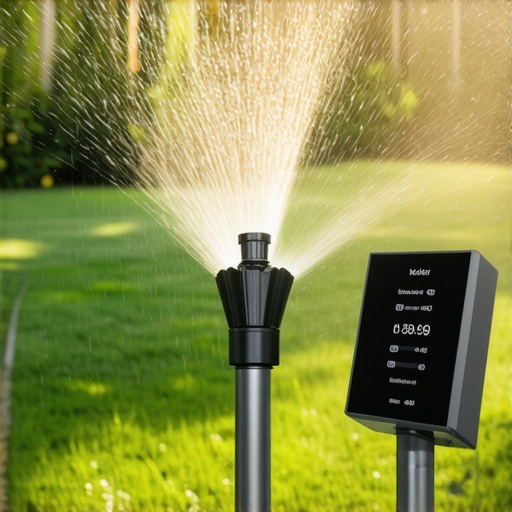
I vividly remember the day I realized my water bill had doubled overnight. It was a scorching summer afternoon, and I was out in the yard, staring incredulously at the meter readings. All my efforts to keep the lawn lush had ironically turned into a financial drain. That lightbulb moment sparked my journey into smarter landscaping and irrigation. If you’ve ever found yourself scratching your head over inflated water bills despite a healthy-looking yard, you’re not alone. The good news? There are practical, cost-effective fixes that can significantly cut your water expenses by 2026. Today, I’ll share five smart irrigation strategies I’ve implemented that transformed my approach to yard care. These tips aren’t just about saving water—they’re about doing it intelligently, so you don’t waste a drop or a dollar. Are you tired of watching your water bills skyrocket without seeing a visible difference in your yard? Then keep reading, because the solutions I’ll reveal are straightforward and backed by real-world experience.
Why Wasting Water Is Bad News for Your Wallet and the Environment
Being mindful of water use is more than just an environmental concern; it directly impacts your wallet. Overwatering, leaks, and inefficient sprinkler settings can lead to unnecessary water consumption, which inflates bills and wastes this precious resource. According to the Environmental Protection Agency, outdoor water use accounts for up to 50% of residential water consumption—meaning, with smart adjustments, households can make a big difference. Early in my gardening adventures, I made the mistake of ignoring my sprinkler system’s inefficiencies, thinking I was doing the right thing by giving my lawn plenty of water. But I was actually overdoing it, and the signs were clear—patchy spots, moss growth, and of course, the rising bills. That realization pushed me to seek better solutions, and I’ve since discovered that a few strategic adjustments can make a huge impact. If you’re ready to stop wasting water and start saving money, these next tips are exactly what you need. Want to ensure your yard stays vibrant without draining your wallet? Let’s dive into what really works.
Inspect and Repair Your Sprinkler System
Start by turning on your sprinklers and observing their operation. Look for leaks, uneven sprays, or clogged heads. Pay particular attention to areas where water pools or the lawn remains dry—these are signs of inefficiency. I once spent an afternoon tightening fittings and replacing broken sprinkler heads, which immediately improved coverage and reduced waste. Remember, a well-maintained system is like a precise watering machine, not a drenching hose thrown wildly across the yard. For detailed tips, check our guidance on irrigation system design.
Design and Zone Your Watering Schedule
Divide your yard into zones based on plant needs, sun exposure, and soil type. Use a timer to schedule watering times, preferably early morning or late evening when evaporation is minimal. I found that setting separate schedules for flower beds, lawn, and trees prevented overwatering. Think of your yard as a multi-cooker, each zone needing different heat—not all at once. Zone-specific watering cuts waste and keeps your landscape healthy. Invest in a programmable irrigation controller for maximum efficiency.
Adjust Sprinkler Nozzles for Precision
Replace inefficient nozzles with adjustable or low-angle models. Fine-tune each head so it covers only its designated area. I once used a spray gauge to test coverage, ensuring it didn’t water the sidewalk or driveway. This small step prevented water from escaping into the streets or evaporating unnecessarily. For more on optimizing sprinkler heads, visit irrigation system optimization tips.
Implement Smart Watering Technologies
Upgrade to soil moisture sensors or weather-based controllers that adapt watering schedules based on rain and soil moisture levels. I installed a sensor that turned off my sprinklers after rain, saving hundreds of gallons. This is like giving your yard a smart brain—deciding when and how much to water, not just on a fixed timer. These devices are accessible and can be integrated with your existing system for seamless operation.
Conduct Regular Soil and Plant Checks
Test your soil periodically to determine its moisture content and adjust watering accordingly. Use a simple moisture meter or a finger test: if the soil feels moist at 2 inches deep, skip watering. Overwatering can drown roots, leading to fungi and poor plant health. I learned this the hard way when I overwatered new sod, which caused root rot before I caught my mistake. Regular checks help you tailor your watering to real needs, preventing waste and plant stress. For specific soil improvement strategies, explore soil readiness techniques.
Many homeowners tend to fall for popular misconceptions about irrigation, yard cleanup, sod installation, and landscaping, often leading to costly mistakes. One widespread myth is that more water always means healthier lawns. In reality, overwatering can drown roots and promote diseases, especially if soil drainage isn’t adequate. Experts emphasize that understanding soil type and plant needs is crucial for tailored watering practices, a nuance many overlook.
Why do some lawns thrive with minimal watering while others require frequent irrigation? Let’s explore the subtle factors influencing this disparity.
Another common misconception is that plants and grass will automatically recover from poor maintenance if left alone. However, neglecting regular cleanup and soil aeration can cause compaction, reduce nutrient availability, and hinder water absorption, ultimately compromising plant health. Regular yard cleanup isn’t just about aesthetics; it deeply impacts soil vitality and plant resilience. Want to perfect your approach? Check out our detailed guide on yard cleanup strategies for a thriving landscape. When installing sod, many believe that choosing the most affordable options guarantees success. But cheap sod can have poor root systems and be ill-suited for your climate, leading to browning or failure. Instead, selecting high-quality, climate-appropriate sod and proper irrigation techniques can ensure lush growth, as highlighted in expert sod installation tips.
It’s also a mistake to focus solely on the aesthetics of landscaping without considering long-term maintenance. For example, planting expensive, high-maintenance plants without assessing local climate conditions results in extra work and costs. Strategic planning, including drought-tolerant native plants and efficient irrigation, yields sustainable beauty. To get this right, explore our advice on low-maintenance landscaping.
Let’s not forget the allure of quick fixes. Applying chemical fertilizers or pesticides expecting instant results often backfires, causing soil imbalance or pest resistance. Instead, integrating organic soil amendments and integrated pest management practices nurtures a healthier, more resilient yard. Remember, sustainable landscaping isn’t just a trend but a necessity for long-term savings and environmental health.
Acknowledging these hidden nuances and debunking myths equips you to make smarter, more informed decisions. Have you ever fallen into this trap? Let me know in the comments!Maintaining a lush, healthy yard requires more than just initial setup; it demands reliable tools and practices to keep everything functioning optimally over time. I personally swear by a few key pieces of equipment and software that have transformed my landscaping routine, saving me time, money, and headaches. First, a high-quality **digital soil moisture meter** is indispensable. Unlike traditional moisture checking methods, this device provides precise readings at different depths, enabling me to tailor my watering schedule accurately and avoid overwatering or underwatering. I’ve found that consistently using a moisture meter prevents root rot in my sod and ensures my plants get exactly what they need, all while conserving water.
Next, I rely heavily on **smart irrigation controllers**. These devices connect to my Wi-Fi and sync with local weather data and soil moisture sensors to automatically adjust watering schedules. For instance, I use the Rachio Smart Sprinkler Controller, which has significantly reduced my water use by shutting off sprinklers during rain or when soil moisture levels are sufficient. This automation not only optimizes yard health but also aligns with future trends in sustainable landscaping, where intelligent systems are becoming the norm.
To keep everything in check, I use **mobile apps dedicated to landscape management**. These apps facilitate remote scheduling, leak detection, and system diagnostics. I can easily run maintenance checks or adjust zones from my phone, which is vital during peak growing seasons or when I notice irregularities.
Beyond tools, regular physical inspections are key. I set aside time monthly to walk my property, checking for leaks, damaged sprinkler heads, or clogged emitters. I record my observations and update my system settings accordingly. Combining high-tech tools with hands-on oversight ensures my system stays efficient and responsive.
Looking ahead, I predict that advancements like AI-driven water management and drone-based yard inspections will revolutionize landscape maintenance. Companies are developing systems that analyze image data to detect issues before they become noticeable—think of it as having a drone surveillance team monitoring your yard 24/7.
So, how do I maintain my irrigation and landscaping tools over the long term? Simple: routine calibration and updates are essential. I regularly update my smart controllers’ firmware, clean sensors, and replace worn parts like sprinkler nozzles to prevent spraying issues and water wastage. Proper maintenance of tools extends their lifespan and ensures consistent performance.
If you want to elevate your yard care, try integrating a soil moisture meter combined with a smart controller. These tools provide real-time data that empower you to make informed decisions, ultimately leading to a thriving, water-efficient landscape. For a detailed guide on choosing the best irrigation tools, check out this expert advice on irrigation system design. Remember, investing in the right equipment today prepares your landscape for successful growth tomorrow.One of the most surprising lessons I learned was that sometimes, less truly is more, especially when it comes to watering. Overwatering my lawn not only elevated water bills but also damaged the grass, leading to patchy spots and disease. It taught me to pay closer attention to my soil moisture levels and plant needs rather than just watering on a fixed schedule. Additionally, I discovered that investing in quality tools—like soil moisture meters and weather-based controllers—paid off in both savings and yard health, highlighting that smart equipment often outweighs expensive fertilizers or quick fixes. I also realized that regular inspections and timely repairs of sprinkler heads were game changers; unaddressed leaks or misaligned sprays waste gallons daily. Lastly, understanding my soil’s unique characteristics helped me tailor my irrigation approach, proving that one-size-fits-all advice rarely offers lasting results in landscape care.