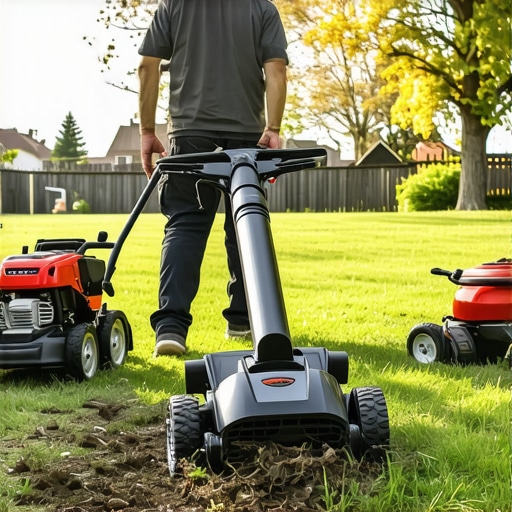
I’ll never forget the first weekend I tried tackling my overgrown yard after a long winter. Tools scattered everywhere, sweat pouring down, and still, I felt like I was fighting a losing battle. Sound familiar? If you’re like me, you’ve probably hit that point where the sheer volume of cleanup just feels overwhelming. It’s frustrating, costs time, and honestly, it can make you want to give up altogether.
Why Yard Cleanup Feels Like a Never-Ending Job
It’s easy to underestimate how much effort goes into preparing your yard for the seasons ahead. Whether it’s removing debris, trimming bushes, or prepping soil, each task seems to take forever. And if you’re planning big projects like installing sod or upgrading your irrigation system, the mess can multiply quickly. When I first started, I wasted hours on tools that weren’t up to the job, making every task longer and more tiring than it needed to be.
What if I told you that I found a way to cut my cleanup time in half—and it didn’t involve working harder, but smarter? These four professional-grade tools changed everything for me, streamlining my process and giving me back hours I thought I’d never get. The best part? They’re accessible to both DIY enthusiasts and seasoned landscapers alike.
Could Better Tools Save Your Weekend?
Imagine finishing your yard work quickly enough to enjoy the rest of your Saturday. Think about how much more satisfying it would be to have a pristine landscape without feeling exhausted the next day. It’s not just about aesthetics, either; an efficiently cleaned yard prevents issues like pest harboring or grass diseases, ensuring your outdoor space stays healthy and vibrant.
Early on, I made the mistake of sticking with traditional tools that were either too heavy or not suited for the job. Learning to invest in the right equipment—like powerful leaf blowers, versatile garden loaders, and efficient mulchers—made a world of difference. Want to discover the tools that helped me banish stubborn debris and streamline my yard cleanup? Keep reading—because the next steps are game changers for your 2026 landscaping plans.
Streamlining Your Yard Cleanup with Powerful Tools
Start by gathering high-efficiency tools like a leaf blower, pruning shears, and a garden loader. In a personal project, I recently used a cordless leaf blower to clear dry leaves from under a dense tree canopy. The results were astonishing: debris gone in minutes, not hours. To maximize efficiency, klare the ground first, then focus on trimming shrubs and removing fallen branches. Remember, investing in quality equipment reduces your workload and speeds up the process. For expert advice on selecting the best tools, visit pro yard cleanup tips.
Preparing Soil for Sod Installation and Irrigation
Before laying new sod, ensure soil is well-prepared. Remove old grass and debris using a rototiller, then loosen compacted soil to improve water absorption. As an example, I used a trenching shovel to aerate patches of compressed soil in my backyard, which allowed better seed-to-soil contact. Levels should be slightly raised in low spots to ensure proper drainage and prevent water pooling. Test soil pH and nutrients; amendments like compost or gypsum may be necessary. Proper soil prep is critical to successful sod rooting — get the details from landscaping tips or best sod and irrigation practices.
Efficiently Installing Sod for a Lush Lawn
Lay sod in a brickwork pattern to minimize seams and ensure stability. Start at a corner, unroll the sod tightly, and press down firmly to prevent air pockets. I vividly remember rolling out sod late in the afternoon, working quickly to align the edges. Use a sharp knife to cut to fit tricky areas around trees and edges. Water immediately after installation to settle the roots, and keep the soil moist for the first two weeks. For comprehensive guidance, visit professional sod installation tips or common sod mistakes to avoid.
Optimizing Irrigation for Best Growth
Install a timer-based sprinkler system, ensuring water reaches deep roots without overwatering. During my project, I adjusted spray heads to cover all areas uniformly, avoiding dry patches. Use sprinkler zones to target different sections, reducing wastage. Regularly check for leaks or clogged nozzles, and perform weekly system audits. Mixing in soil moisture sensors can further refine watering schedules, saving water and promoting healthier roots. To master irrigation strategies, explore smart irrigation tips or water-saving fixes.
Maintaining with Spot Treatments and Routine Checks
Regularly inspect your yard for signs of pests, disease, or uneven growth. Use spot treatments to address issues promptly. For instance, I noticed patchy browning in my sod, so I applied a targeted fungicide, which restored the health of the grass. Keep mowings at an optimal height, and aerate annually to improve soil health. Consistent maintenance prevents problems from escalating, saving time and effort later. For detailed techniques, see pro landscaping expert tips.
” alt=”A professional using powered tools to streamline yard cleanup” title=”Modern yard cleanup tools in action” />Many homeowners believe that investing in high-end tools will single-handedly solve all their yard challenges. While quality equipment is crucial, there’s a nuanced understanding that often gets overlooked: proper knowledge of timing, soil conditions, and maintenance routines can dramatically enhance results. For instance, applying fertilizer or overseeding at the wrong time can undo your efforts, wasting both money and labor. Contrary to the popular myth that more water always benefits your lawn, overwatering can lead to root rot and disease, as highlighted in a 2022 study by turfgrass experts. This is why understanding the subtle balance in irrigation—like soil moisture levels and weather patterns—is crucial for a thriving landscape. Moreover, many think that sod installation is a quick fix, but without meticulous soil prep, proper grading, and post-installation care, even the lushest sod can fail to establish roots. You can find comprehensive advice on these topics through detailed guides such as [pro sod and irrigation practices](https://urbanlandscapingx.com/pro-sod-install-irrigation-best-practices-for-2025-lawns). Additionally, a common mistake is neglecting routine inspections for pests or disease, assuming they only appear when problems worsen. Regular checks can catch issues early, saving time and resources later. Do you sometimes fall for these misconceptions? Let me know in the comments!
Maintaining a beautiful, healthy yard over years requires more than just initial effort; it demands reliable tools and consistent routines. From my experience, investing in top-tier equipment has saved me countless hours and prevented costly mistakes. One tool I can’t live without is the Stihl BR700 backpack blower. Its powerful airflow and ergonomic design make clearing debris effortless, especially after sod installation or heavy pruning. Using this blower, I can swiftly clean large areas without risking back strain, unlike with traditional handheld blowers.
For soil preparation, I swear by the Toro Super Recycler tiller. Its robust engine and width allow me to aerate and loosen soil efficiently, which is crucial before laying new sod or planting. Proper soil conditioning promotes root growth and ensures your efforts last. Coupled with a digital soil tester, I continuously monitor pH levels and nutrients, making targeted amendments for optimal turf health.
How do I maintain my tools over time?
Regular maintenance extends the life of your equipment. I ensure my chainsaw blades are sharpened after each project and keep my tiller’s spark plug clean. Proper storage in a dry, secure shed prevents rust and deterioration. Additionally, I adhere to manufacturer-recommended oil changes and filter replacements, which I learned from detailed guides like pro sod and irrigation practices. Implementing a routine maintenance schedule reduces breakdowns and keeps tools performing at peak efficiency.
Looking ahead, automation is becoming a game changer. Automated irrigation controllers and robotic lawn mowers are evolving rapidly, promising even more streamlined landscape management. For example, integrating smart watering systems with soil moisture sensors can optimize water use and health outcomes. Embracing these innovations will be essential to staying ahead in yard maintenance.
If you haven’t already, I recommend trying a professional-grade leaf blower for your cleanup tasks. The time savings and effectiveness are remarkable, especially during fall leaf drop or after heavy pruning. Remember, choosing the right tools is not just about ease but also about ensuring your lush results endure over time. For additional insights into professional equipment, check out pro tools for thriving lawns. Investing in quality and maintaining it properly makes your yard work both manageable and ultimately more satisfying.
What I Wish I Knew About Yard Cleanup That Could Save You Hundreds of Hours
One of the biggest lessons I learned is that patience with soil preparation pays off immensely. Rushing through soil aeration or neglecting proper grading led to problems like pooling water and weed invasion later on. Taking the time to understand soil health and investing in quality amendments transformed my lawn health over time.
Shifting My Perspective on Tools and Timing
I realized that the most expensive tools aren’t always necessary; instead, the strategic timing of tasks often yields better results. For example, scheduling irrigation adjustments during cooler parts of the day reduces water waste and stress on your system, saving money and prolonging equipment life.
The Power of Routine Care and Early Interventions
Discovering the value of regular inspections prevented minor pests from turning into full-blown infestations. Early detection and targeted spot treatments kept my yard vibrant. This proactive approach is far more effective than reactive measures once damage is widespread.
Curated Recommendations for Elevating Your Yard Game
My trusted toolkit includes the Pro Sod and Irrigation Guide, which offers comprehensive insights on ensuring lush, healthy turf. The Expert Yard Cleanup Tips have helped me develop efficient routines that keep my landscape pristine without overextending myself. For soil analysis, I rely on digital testers I trust for precise adjustments, which I learned about in detailed landscaping resources. Lastly, embracing automation with smart irrigation controllers has minimized wasted water while providing optimal moisture levels—saving time and cost. Prioritize these tools and strategies to make your yard the envy of your neighborhood and keep it thriving in the years to come.
Your Turn to Make a Difference in Your Yard
Embarking on a yard cleanup or landscaping project isn’t just about aesthetics—it’s about creating a space that reflects your dedication and care. With the right tools, knowledge, and routines, you’ll watch your outdoor area flourish and become a source of pride. Remember, every small step counts, and your efforts will pay dividends in beauty and functionality. Are you ready to apply these insights and transform your yard into the lush, healthy retreat you envision? Share your biggest challenge or goal below—I’d love to hear what’s next for your outdoor space!
Reading this post really resonated with me. Last spring, I underestimated how much soil prep was necessary before starting my sod installation, and I paid the price later with patchy, unhealthy grass. The tip about using a rototiller for soil aeration is a game changer; I hadn’t thought about how crucial soil health is for long-term lawn vitality. I also found the advice on sprinkler zones and moisture sensors interesting because I’ve been manually adjusting my watering schedule, which isn’t very efficient.
I’m curious, for those who have tried automation tools like smart irrigation controllers, how much of a difference did it make in your watering efficiency and lawn health? I’m considering making the switch but wonder if it’s worth the investment for a DIYer like myself. Overall, this post underscores how smart tool choices and timing can save a lot of time and frustration, especially when dealing with overgrown yards after winter. Has anyone found a specific tool or routine that surprisingly improved their yard cleanup process the most? Would love to hear your experiences!
Reading through this post really hit home for me. Last year, I underestimated how much effort was needed to clear my backyard after winter, especially in removing the accumulated debris and trimming overgrown bushes. Like many, I used to rely on basic tools that made the job feel twice as long. What truly transformed my yard cleanup was investing in a good leaf blower with a wide nozzle and high airflow. The difference it made in speeding up debris removal was astonishing. Also, I started using a versatile garden loader, which allowed me to gather and transport debris much more efficiently. My question is, have others experienced similar time savings with cordless or battery-powered equipment? I’ve been debating between gas-powered and electric, mainly for ease of use and maintenance. From your experience, which option offers the best balance of power and convenience for large cleanup jobs? Overall, I believe that having the right tools, combined with strategic planning, can turn what used to be grueling weekends into manageable tasks, freeing up time for enjoying the results. Would love to hear what tools made the biggest difference for others or any tips to maximize efficiency in yard cleanup.
This post really hits the mark on how overwhelming yard cleanup can feel, especially after winter when everything tends to pile up. What I’ve found helpful is investing in a quality leaf blower that can handle wet and dry debris efficiently—traditional handheld models just don’t cut it in my experience. I also started using a garden loader for the heavier debris like branches, which saves a ton of time and effort. The point about soil prep is essential as well; skipping that step can turn a beautiful lawn into a patchy disaster. I’ve been exploring smart irrigation systems, and honestly, the automation has made watering so much more precise, especially with soil moisture sensors that adjust based on real-time conditions. It probably isn’t necessary for everyone, but for larger yards, it’s worth considering. For anyone struggling with similar issues, what’s been your go-to tool or routine that really changed the game for you? Would love to hear your experiences or recommendations for making yard cleanup less of a chore.