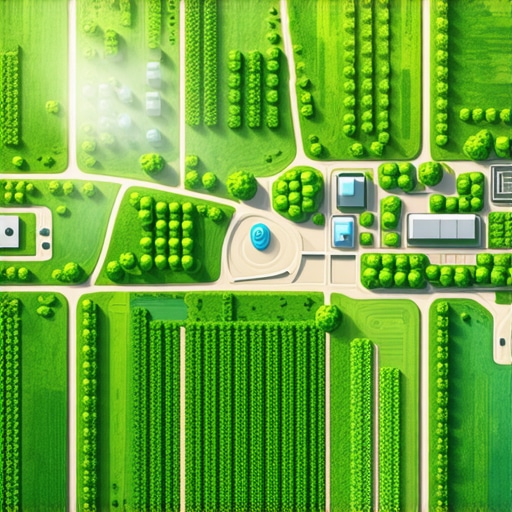
It was a hot summer afternoon when I finally realized my irrigation system was wasting more water than it was delivering to my lawn. Despite spending hours adjusting the sprinklers, my yard looked patchy, and my water bills kept climbing. That lightbulb moment hit me hard—what I needed was a precise, well-mapped zone tuning strategy tailored for the upcoming 2026 season.
Why Proper Zone Tuning Sets Your Irrigation System Apart
When I first started, I believed that simply turning on the sprinklers was enough. I didn’t realize that each zone in my system required individual attention to ensure water efficiency and healthy turf growth. Without proper mapping and tuning, I was throwing money and water away—something I bet many homeowners are unknowingly guilty of. A 2023 study revealed that poorly managed irrigation accounts for up to 50% of water waste in residential landscapes. This means cleaning up your approach can have a huge impact on both your wallet and the environment.
Are you tired of seeing your water bills soar while your yard remains inconsistent or unhealthy? If so, you’re not alone. Fortunately, with a little knowledge and some strategic planning, you can turn things around. That’s exactly what I set out to do, and over the next sections, I’ll guide you through the essential steps to map your 2026 irrigation plan for zero waste.
Is the fuss over zone mapping really worth it
Early in my journey, I made the mistake of neglecting zone-specific calibrations. I assumed that if one part of my yard was getting enough water, the rest was fine too. Little did I know, uneven watering leads to patchy grass and more water use to compensate. This mistake delayed my progress and increased my costs. To avoid repeating my error, I recommend checking out professional techniques that can vastly improve watering efficiency, such as those discussed in [pro sod installation irrigation strategies for a lush lawn](https://urbanlandscapingx.com/pro-sod-install-irrigation-strategies-for-a-lush-lawn-in-2025).
Now, with the right approach, you’ll be able to create a tailored irrigation plan that saves water, reduces costs, and results in a vibrant, healthy yard. Ready to dive into the practical steps? Let’s set the foundation for a smart, sustainable 2026 irrigation plan—starting with how to map your zones effectively.
Divide Your Yard into Manageable Zones
Start by walking your yard with a notebook, noting different areas with unique watering needs—shade versus sun, slope versus flat terrain. Think of your yard as a pizza; each slice (zone) might need different toppings (watering schedules). Turn on your system and observe which zones soak up water quickly and which lag behind. During my first attempt, I disconnected zones randomly, ending up with some areas drenched and others parched. This taught me to be deliberate and strategic about zone boundaries, simulating the process helped me identify overlapping zones or leaks—saving water and preventing runoff.
Label and Document Your Zones Clearly
Use waterproof markers or labels to mark each zone directly on your control panel and manually on physical maps. Accurate labeling saved me time during adjustments. I drew diagrams similar to blueprints for a house remodel, indicating each zone’s location and water flow. Proper documentation ensures that future tweaks, especially as seasons change, are efficient—preventing unnecessary disassembly and guesswork. For complex yards, referring to professional techniques can be invaluable, such as those outlined in effective sod installation irrigation strategies for a lush lawn.
Run Each Zone Independently for Calibration
Activate one zone at a time, observing the spray pattern and water coverage. This is like auditioning each instrument before a band rehearsal. I put red flags around to see where the water was going—quickly realizing a few sprinklers aimed at sidewalks or driveways. Adjusting the heads’ angles or replacing faulty ones optimized coverage. Using a catch cup or an empty can during watering helps measure the precise amount of water delivered per zone, informing me whether I need to tweak a zone’s watering time or adjust sprinkler heads for more uniform coverage. This method is crucial, especially when managing multiple zones with differing plant types or turf areas.
Adjust Run Times Based on Zone Data
Once calibration is complete, set the run times for each zone based on measured water output. For example, a zone delivering an inch of water in 10 minutes might need only 7 minutes twice a week. I found that gradually reducing run times prevented overwatering, which is a common mistake leading to root issues or wasted water, as discussed in overwatering signs that kill new sod. Keep a log of changes and observe your yard over several weeks, adjusting as needed. Remember, turf and plants have different preferences—shady areas need less water, while slopes may require longer run times to prevent runoff and erosion.
Tune and Optimize Periodically
Zone mapping isn’t a one-and-done deal. Plan to revisit your system every few months—after significant weather shifts or seasonal changes. This ongoing adjustment prevents runoff and ensures your yard gets precisely what it needs, not excess. For advanced tuning, consider implementing smart irrigation hacks like inserting rain sensors or soil moisture readers, which can be part of your 2026 efficiency upgrade plan—see smart irrigation hacks to cut water waste. By treating your irrigation system like a living organism, you keep it performing at peak efficiency year-round, saving water and money alike.Many homeowners operate under mythes about irrigation, sod installation, and yard cleanup, assuming they know the basics but missing critical nuances. One common misconception is that larger sprinklers or higher water pressure always lead to better watering. In reality, excessive pressure can cause misting and uneven coverage, wasting water and causing puddles. Proper system design—such as adjusting pressure and using fixed or rotor heads—ensures uniform coverage and efficiency. Studies, like those discussed in top irrigation tips for a healthy lawn, support the importance of tailored pressure regulation for water conservation.
Another widespread mistake involves sod installation, where many overlook soil preparation and proper grading. Prematurely laying sod over poorly prepared soil can lead to poor root development and patchy growth, especially in challenging soils like clay or sandy areas. Professionals emphasize soil tests and amendments—such as compost or soil conditioners—to enhance root establishment, aligning with insights found in effective sod installation strategies. Skipping this step is a silent trap that often results in costly rework or patchy lawns.
Yard cleanup, often perceived as a simple task, contains hidden pitfalls that can undermine your efforts. For example, ignoring the importance of debris clearance from drainage pathways can cause water pooling and erosion, damaging your landscape. Many underestimate the value of strategic pruning and leaf removal at key times of the year. The difference between a professional-looking yard and a manicured paradise can be as simple as understanding which tools and techniques accelerate these processes. Explore fast yard cleanup tactics for expert insights.
What about common pitfalls in plant selection and placement? A crucial yet overlooked aspect is planting choices in relation to sunlight and soil conditions. Many novice landscapers plant decorative shrubs or grass in unsuitable spots. This often leads to overwatering, disease, or poor growth. Advanced gardeners analyze microclimates—like shade patterns and wind exposure—to select the right plants. As expert landscapers advise, this detailed planning prevents costly failures and creates landscapes that thrive naturally.
Have you ever fallen into this trap? Let me know in the comments. Remember, mastering the subtle nuances of yard care can dramatically elevate your landscape from average to extraordinary, saving you time, effort, and resources in the long run.Maintaining a lush, healthy landscape requires not only knowledge but also investing in the right tools and systems to ensure long-term success. From smart irrigation controllers to durable landscaping equipment, choosing the appropriate gear can dramatically reduce your workload and improve your results. I personally rely on a combination of professional-grade tools and smart technology to keep my yard in top shape year-round.
One investment I highly recommend is a **smart irrigation controller** like the Rachio 3. Unlike traditional timers, these controllers adapt watering schedules based on weather forecasts and soil moisture levels, dramatically improving water efficiency. I’ve seen water bills cut by up to 30% since switching, and the yard remains consistently healthy. For detailed insights on optimizing irrigation systems, check out these smart irrigation hacks.
In terms of physical tools, I swear by a high-quality oscillating sprinkler for smaller zones and rotor heads for larger, more open areas. Regularly inspecting and adjusting sprinkler heads using a **pressure gauge** ensures uniform coverage and prevents overspray—an often overlooked step that saves water and reduces runoff. For soil and yard cleanup, a powerful leaf blower and a heavy-duty rake can speed up clearing debris, especially before applying mulch or planting new turf.
A cordless, durable line trimmer helps keep edges crisp without the hassle of tangled cords, and a propane-powered tiller allows quick soil preparation, crucial before sod installation or planting. When dealing with professional sod installation, proper soil preparation is key, and a sturdy tiller helps break up compacted clay or sandy soils, making rooting much easier. For advanced techniques, refer to effective sod installation strategies.
Automation and smart tools are the future of yard maintenance. I predict that integration of IoT devices like moisture sensors and weather stations will become standard, allowing even more precise watering and landscaping interventions. This not only conserves resources but also ensures your lawn receives exactly what it needs, without constant manual adjustments.
**How do I maintain my watering system over time?**
To ensure your irrigation remains efficient, schedule quarterly checkups—inspecting sprinkler heads for clogs, adjusting zones as your landscape evolves, and updating controllers with the latest weather data. Cleaning and calibrating your equipment regularly prevents breakdowns and keeps your system performing at peak efficiency.
For a quick upgrade, try installing a soil moisture sensor connected to your smart controller. This easy addition can prevent overwatering and save money in the long run. Remember, investing in quality tools and embracing automation are key to maintaining a thriving landscape with less effort and waste.
How I Realized the Hard Way That Small Details Matter
One of the most profound lessons I learned was that perfecting each irrigation zone isn’t just about saving water—it transforms your entire landscape. Neglecting to calibrate heads or ignoring soil health led to patchy grass and wasted resources. Now, I approach my yard as a complex ecosystem where every adjustment yields visible results, reinforcing that even minor tweaks can have major impacts.
Why Relying on Quick Fixes Can Cost You More
I used to think that upgrading sprinklers or installing a new control panel would solve everything. But I discovered that ongoing maintenance and understanding your soil and plant needs are just as critical. Skipping these foundation steps often led to more work and higher bills, reminding me that sustainable lawn care is a marathon, not a sprint.
Lessons the Pros Won’t Tell You at the Store
One lightbulb moment was realizing that many retail sprinkler heads are designed for convenience, not efficiency. Selecting the right type—whether rotor or spray—and adjusting pressure settings made a world of difference. Tuning into these hidden details, like using a pressure gauge, has helped me achieve uniform coverage without wasting water.
Sometimes Less Is More with Yard Cleanup
Over time, I found that strategic pruning and clearing out debris in key areas improved not only aesthetics but also the health of my lawn. Rather than overworking myself, I focus on smart techniques—like quick yard cleanup tactics—that yield professional results with less effort. It’s amazing how tiny adjustments can prevent disease and promote stronger growth.
Small Changes, Huge Results: The Power of Consistency
Maintaining a lush yard isn’t just about big projects; it’s about regular, intentional actions. Scheduling seasonal system checks, measuring water outputs, and adjusting run times gradually improved my lawn’s resilience. This consistency proved that persistent care, even in small doses, outperforms sporadic efforts in the long run.
My Tool of Choice for Effortless Maintenance
Investing in a smart irrigation controller, like the Rachio 3, was a game-changer. It automates much of the guessing, adapting watering schedules based on real-time weather data. Having tested several tools, I can confidently say that integrating smart tech with your routine saves water, money, and headaches. Plus, it frees you up to enjoy your thriving landscape.
Moving Forward: How Will You Elevate Your Yard?
Every season offers a new opportunity to refine your approach. With the right knowledge and tools—perhaps inspired by the resources I trust—you can create a landscape that’s both beautiful and sustainable. Remember, the journey to a greener yard doesn’t end here. Commit to small, consistent improvements, and watch your outdoor space transform into a personal sanctuary that reflects your care and effort.
What’s Your Biggest Yard Care Win or Wrenching Challenge?
Have you ever struggled with calibrating sprinkler zones or managing soil health? Let me know below—sharing your experience might just help someone else turn their yard into their favorite place to be.
,