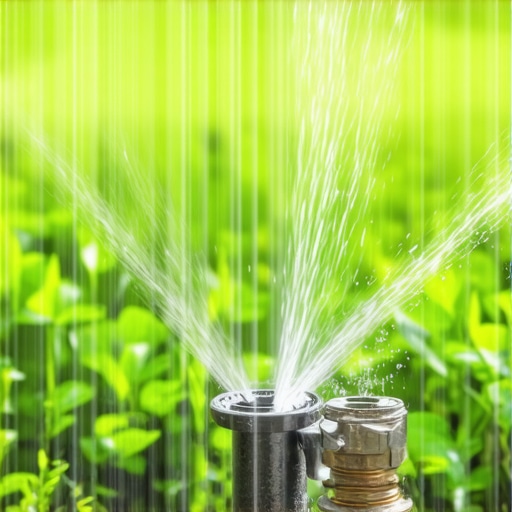
I remember the moment vividly—standing in my yard on a blisteringly hot summer afternoon, only to realize that my lush green lawn was turning patchy and brown despite my regular watering efforts. That sinking feeling hit me hard; all those hours spent maintaining my yard seemed wasted. It was then that I had my lightbulb moment: my sprinklers were probably failing, but how could I tell for sure?
If you’ve noticed soggy patches, dry spots, or an increase in your water bill, you’re likely facing the same dilemma. Knowing the early signs of sprinkler failure can save your lawn from long-term damage and sky-high water costs. Today, I’ll guide you through the four most common indicators that your 2026 sprinkler system might be giving out and share proven tips to get them back in shape.
Why Recognizing Sprinkler Trouble Early Matters
Think about it—your sprinkler system is like the heartbeat of your yard. When it sputters or fails, your entire landscape suffers. Not only does this jeopardize the health of your grass and plants, but it can also lead to unnecessary water waste and increased bills. According to experts, overwatering accounts for about 50% of residential water use, making efficient sprinkler operation a must for sustainable gardening in 2026. Recognizing issues early gives you the chance to intervene before these problems escalate.
Have you faced stubborn dry patches no matter how much you water? Or maybe you’ve noticed areas that stay soaked, yet others remain parched? If so, it’s time to pay close attention to your sprinkler’s performance. I’ve learned from experience that ignoring these signs can lead to even more costly repairs or replacements down the line.
In the next sections, we’ll delve into each sign in detail, along with actionable fixes. Whether you’re a DIY enthusiast or prefer to call in the pros, understanding these indicators will empower you to maintain a lush, healthy lawn all year round. Curious to find out if your system is on its last legs? Let’s get started.
Test Your System Thoroughly
First, turn on your sprinkler zones one at a time during a dry period. Watch closely as each spray pattern appears. Look for uneven coverage, disjointed streams, or missing zones. Take notes on which areas flood or stay dry, as these are clues to potential issues. During my own test, I observed that one zone barely sprinkled, which led to inspecting the head. Testing like this helps pinpoint whether the problem is with the head, valve, or controller.
Inspect and Clean Sprinkler Heads
Remove the affected heads and look for debris, clogs, or damage. Using a small brush or unclogging tool, clear out dirt, algae, or mineral buildup. I once used an old toothbrush to scrub clogged nozzles, which immediately improved spray patterns. If cleaning doesn’t help, replace broken heads with an efficient model. Ensuring heads are level and unobstructed improves coverage and prevents dry patches, which is vital for maintaining a lush lawn.
Check Valves and Clamps
Follow the pipes from the heads back to the control valves. Listen for leaks or hissing sounds, indicating a faulty valve. Tighten or replace valve components as necessary. During my last repair, I replaced a leaking valve that was causing overwatering in one zone—saving water and preventing soggy spots. Proper sealing here prevents water wastage and ensures each zone receives the right amount of water.
Adjust Water Pressure and Schedule
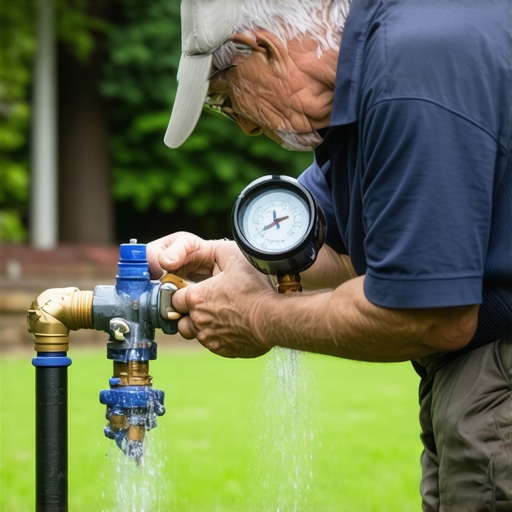
Use a pressure regulator or adjust your irrigation controller to set optimal flow rates. Too much pressure causes spray overshoot and misting, while too little results in insufficient watering. I used a pressure gauge to fine-tune the system, which drastically improved efficiency. Additionally, consider watering early in the morning to maximize absorption and minimize evaporation. Proper scheduling avoids overwatering, which can drown roots and promote disease.
Upgrade Your System for Water Efficiency
If your current system is outdated or inefficient, consider smart irrigation controllers and zone tuning. These devices can be set to water only when necessary, based on weather data and soil moisture sensors. I installed a smart controller last year, which cut my water bills by 25%. For instance, zone tuning allows you to calibrate specific areas, ensuring your lush lawn receives adequate water without waste. Check out detailed tips on smart irrigation fixes for 2026.
Many homeowners operate under misconceptions about irrigation and yard care that can lead to costly mistakes. For instance, a widespread myth is that more water always means a healthier lawn. In reality, overwatering can suffocate roots and promote disease, emphasizing the importance of proper scheduling and moisture monitoring, as discussed in smart irrigation fixes for 2026. Another misconception is that any new sod should be installed on bare soil and left to establish itself; surprisingly, soil preparation plays a vital role, and failure to amend poor soil can result in patchy growth or failure, as highlighted in sod installation tips.
However, a hidden nuance many overlook involves the timing and technique of yard cleanup. The common approach is a vigorous rake and debris removal, but excessive disturbance can damage grassroots and disrupt existing beneficial microbes. Instead, targeted trimming and mulching can improve soil health and plant vitality, as explained in yard cleanup ideas.
Questioning the efficacy of standard practices reveals other pitfalls. For example, many think that irrigation systems are ‘set and forget,’ but neglecting zone tuning and pressure adjustments can result in uneven watering and wastage. Adjusting system pressure and regularly inspecting heads ensures even coverage, which is crucial for healthy turf. For advanced users, creating a detailed irrigation plan that adapts to weather patterns can optimize water use and lawn health, a strategy covered in zone tuning and mapping.
A critical trap is assuming all yard improvements are high-cost investments. In reality, small adjustments—like implementing smart controllers or upgrading nozzle nozzles—can significantly boost efficiency without breaking the bank, as shown in smart irrigation upgrades. Recognizing these nuances allows you to achieve a lush landscape sustainably.
Take lawn installation: many skip soil testing, leading to mismatched grass varieties or poor root development. Conducting comprehensive soil tests and amending deficiencies upfront results in robust sod that thrives despite environmental challenges, as advised in sod strategies.
Let’s dig deeper—are there hidden pitfalls you’ve encountered in yard care practices? Share your experiences below and challenge conventional wisdom. Properly addressing these nuances can transform your outdoor space from average to extraordinary.
Keeping Your Irrigation System in Top Shape
Maintenance is key to a healthy, green lawn, and having the right tools makes all the difference. I personally swear by a high-quality pressure gauge because it allows me to precisely measure system pressure, ensuring optimal water flow without wastage. Regularly checking pressure helps prevent issues like overspray or dry patches, especially as your system ages. For cleaning sprinkler heads, I rely on a small hand-held nozzle brush, which helps me remove debris and mineral buildup effectively. These simple tools save me time and money in the long run.
Automation also plays a vital role. I’ve integrated a smart irrigation controller that reacts to weather forecasts, automatically adjusting watering schedules. This not only conserves water but guarantees my yard gets the right amount of moisture. In the future, I predict smarter systems will become more affordable and advanced, possibly incorporating AI to optimize watering even further—making landscape maintenance almost effortless.
For long-term results, establishing a routine of monthly system checks is essential. During these inspections, I verify that all heads are functioning properly, adjust zones if necessary, and replace worn-out parts before failures occur. When it comes to tools, specialized replacement spray heads and waterproof connectors are invaluable; they allow quick fixes without the need for a full system overhaul.
How do I maintain my irrigation system over time?
The best approach is a combination of regular visual inspections, leveraging smart technology, and having essential replacement parts on hand. I schedule these checks during early spring and late summer, which are critical periods for lawn growth and heat stress. Additionally, consulting resources like smart irrigation tweaks for 2026 can provide insights into optimizing system efficiency. By staying proactive with maintenance, I ensure my system remains reliable for the entire season, saving water and promoting lush growth.
Try implementing a monthly pressure check using a reliable pressure gauge combined with an automatic weather-aware controller. These steps will safeguard your investment, ensure consistent watering, and keep your yard looking its best all year long.
Three Lessons That Changed My Yard’s Future
One of the biggest revelations was realizing how much I underestimated routine maintenance. Regularly inspecting my sprinkler heads and checking water pressure could have prevented costly repairs and ensured my lawn stayed lush. I also learned that smart upgrades, like weather-responsive controllers, can drastically cut water waste and boost efficiency. Lastly, understanding the nuances of soil health behind my sod’s struggles made me realize that proper prep and ongoing care go hand in hand for a thriving yard.
Tools and Knowledge That Elevate Your Yard Game
My indispensable toolkit includes a reliable pressure gauge, a small wire brush for sprinkler heads, and a smart irrigation controller that adapts to weather conditions. I trust resources like the expert guides on sod and irrigation because they’re packed with practical insights that transform your approach. These tools and knowledge bases have empowered me to take control of my yard, making troubleshooting faster and results more consistent.
Embrace the Change—Your Lawn Will Thank You
Considering all I’ve learned, I encourage you to review your sprinkler system today—don’t wait until dry patches appear or bills spike. Small steps like calibration, upgrading components, and ongoing inspections can make a significant difference. Remember, every improvement you make today plants the seeds for a healthier, more vibrant landscape tomorrow. Your dream yard is within reach, and with a little effort, it can thrive well into 2026 and beyond.
What’s the first tweak you plan to make to your irrigation or yard cleanup routine? Share your thoughts below—I’d love to hear about your journey toward a greener, more efficient home landscape!
Reading this article made me reflect on how often I overlook the importance of regular system checks. Last summer, I noticed some dry patches that didn’t respond well to additional watering, which seemed odd. After some investigation, I found that a couple of sprinkler heads were clogged and not functioning correctly, leading to uneven watering. It’s interesting how small issues like debris buildup can cause such significant problems in lawn health. I’ve started using a pressure gauge and cleaning heads regularly now, which has improved coverage noticeably. One thing I wonder about is the long-term durability of some of the smart controllers—has anyone experienced issues with them over time, especially during extreme weather? It seems like automation could save a lot of time, but I’m curious about potential pitfalls or maintenance needs for these devices. Overall, I agree that ongoing maintenance and upgrades make all the difference in keeping a lush yard, and I’d love to hear others’ tips on simple, budget-friendly upgrades that deliver big results.