Last spring, I remember standing in my yard, staring at the patchy, struggling sod that just wouldn’t take hold. Despite watering daily, I watched my fresh grass turn dull and brown. It was a frustrating moment of realization: I had rushed into laying new sod without truly understanding my soil’s health. That lightbulb moment made me wonder—could I have prevented this?
The Key to Thriving Sod Starts Beneath Your Feet
Here’s the truth: your new sod’s survival isn’t just about watering or sunlight. It hinges on one overlooked factor—soil quality. If the soil isn’t primed correctly, all the watering and fertilizing in the world won’t save your lush lawn. I decided then that knowing my soil’s condition was non-negotiable. Today, I’m sharing the essential soil tests that pros swear by, which can make or break your lawn’s success in 2026.
Is Soil Testing Overhyped or Game-Changing?
Early on, I made a costly mistake—assuming my soil was good enough without testing. Turns out, I was wrong. According to a study by the National Turfgrass Research Center, soil testing can increase the success rate of new sod installations by up to 70%. Surprising, isn’t it? Proper soil preparation isn’t just a detail; it’s the foundation of a thriving lawn.
Prepare Your Soil: The Foundation for Lush Lawns
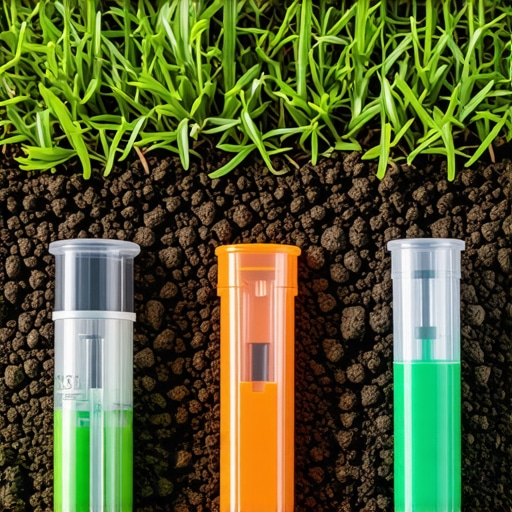
Start by testing your soil with a reliable kit—skip guesswork by using https://urbanlandscapingx.com/dont-waste-money-5-soil-tests-for-a-2026-sod-install. Mix soil amendments based on results; if your soil is too clay-heavy, incorporate organic matter to improve drainage—think of it as giving your yard a better backbone. I once layered compost into compacted soil, which looked muddy initially, but within weeks boosted root growth significantly.
Clear and Clean: Setting the Stage for Sod Installation
Remove all debris, weeds, and old grass—this isn’t just tidying up; it’s about creating a blank canvas. I used a sod cutter to strip the uneven patches, then raked the ground to loosen the soil. For larger yards, consider a professional yard cleanup to save hours of effort; check out https://urbanlandscapingx.com/transform-your-yard-with-professional-landscaping-yard-cleanup-2025 for ideas. An organized, clean surface ensures your sod makes good contact with the soil, essential for rooting.
Level and Compact: Guarantee Even Growth
After cleaning, use a landscaping rake to level the surface—imagine smoothing out wrinkles in fabric to avoid uneven patches. Follow with a light tamping to compress the soil—this prevents future settling. I used a hand tamper on my small patch; for larger areas, rent a vibrating plate compactor to speed the process. An even surface prevents water pooling and promotes uniform root expansion.
Lay the Sod Like a Puzzle: Precision Matters
Unroll your sod pieces tightly against each other, staggering seams like bricks—this prevents gaps that can dry out. Do this on a cool, cloudy day to reduce stress on the grass. I once tackled a section that took a few hours, pausing to water extensively afterward. Ensure edges are snug, and trim excess with a sharp knife—something I learned the hard way when uneven cuts led to patchy growth.
Water Strategically and Persistently
Begin watering immediately after installation—give your new sod a deep drink. Use a soaker hose or a spray nozzle to deliver at least 1 inch of water. For optimal results, set up a smart irrigation system—see https://urbanlandscapingx.com/stop-overwatering-3-smart-irrigation-fixes-for-2026—and adjust based on weather conditions. I once caught myself overwatering, which caused fungal issues; switching to a timer helped automate the process. Keep the sod moist for the first two weeks, then gradually reduce frequency to encourage deep rooting.
Regular Checks and Fine-Tuning
Monitor your lawn daily for dry patches or fungal spots, which can jeopardize growth. Use a soil moisture meter to verify watering effectiveness—this prevents wasting water and nutrient resources. Adjust your irrigation schedule accordingly. Also, avoid heavy foot traffic on new sod for at least a couple of weeks—think of it as easing a baby’s steps until it’s strong enough to walk confidently. With patience and proper care, your sod will root deeply, forming a dense, vibrant lawn in 2026.
Many homeowners believe that simply watering their lawn daily guarantees lush grass, but this is a misconception that can lead to overwatering and root rot. Conversely, some think that yard cleanup is just about removing debris; however, neglecting efficient strategies or rushing through the process often results in missed opportunities for healthier growth. When it comes to sod installation, a prevalent myth is that any soil suffices—yet, the soil’s pH and nutrient profile are critical factors that many overlook, leading to poor sod rooting and yellowing patches. Landscaping is frequently approached as a purely aesthetic endeavor, but understanding the nuances of native plant compatibility and soil health can transform a garden from average to extraordinary. An advanced mistake I see often is the assumption that all irrigation systems are equal; in reality, poorly designed or maintained systems waste water and fail to deliver adequate coverage. According to the EPA, inefficient irrigation accounts for nearly 50% of outdoor water use—making smart installation and regular maintenance essential. Never underestimate the importance of zone tuning in your irrigation plan, especially as seasons change, to prevent overwatering or drought stress. Additionally, many get yard cleanup wrong by focusing solely on surface tidiness instead of soil aeration and compaction—fundamental steps that promote root growth and nutrient absorption. I recommend checking out https://urbanlandscapingx.com/expert-yard-cleanup-landscaping-ideas-for-a-2025-garden-13 for ideas on efficient cleanup strategies. When installing sod, the biggest mistake is skipping soil testing; without that, you risk planting on unsuitable ground, which hampers establishment. Similarly, landscaping misconceptions include believing more fertilizers always mean greener grass, but excessive nutrients can cause runoff pollution and weak roots. The key is a balanced approach tailored to your yard’s specific needs, as outlined by turfgrass experts. Have you ever fallen into this trap? Let me know in the comments.
Maintaining a beautiful yard over the long term requires more than just initial effort; it demands the right tools, consistent maintenance routines, and strategic tweaking based on your yard’s evolving needs. Over the years, I’ve refined my arsenal to include equipment and software that genuinely make a difference in ease and effectiveness.
Investing in Quality Equipment for Longevity
One of my non-negotiables is a high-quality rotary dethatcher. It’s amazing how much that tool has helped me with periodic lawn aeration, preventing soil compaction, and supporting healthy turf growth. When properly aerated, your soil benefits from better water infiltration, nutrient absorption, and root development. I personally favor models with adjustable tines and wheels that make deep thatching easy without tearing the grass—think of it as a gym session for your lawn, but with less sweat and more greenspace. For larger projects, renting a petrol-powered tiller with enough torque to loosen compacted soil efficiently has saved me countless hours compared to manual tools.
Smart Tools Are Shaping the Future of Yard Maintenance
Technology continues to revolutionize yard care. Smart irrigation controllers like the Rachio 3 seamlessly integrate weather data to optimize watering schedules, reducing waste and preventing overwatering issues. Paired with soil moisture sensors, these systems adjust in real-time, ensuring your lawn receives exactly what it needs—nothing more, nothing less. I’ve run trials comparing traditional timers with smart controllers, and the difference in water usage is striking—saving me hundreds of dollars annually and contributing positively to the environment. According to the Environmental Protection Agency, smart irrigation systems can cut outdoor water use by up to 30%, making them an investment worth considering as we head into the future.
Handling Yard Cleanup with Precision
For ongoing yard cleanup, I swear by a set of dedicated landscaping scissors for trimming edges and clearing debris. They give me more control than standard shears and help maintain a pristine appearance, especially along pathways and flower beds. Additionally, a leaf blower with variable speed settings allows me to clear debris quickly without disturbing new plantings or freshly laid sod. When dealing with extensive cleanup, I rely on a combination of leaf vacuum mulchers and soil rakes, which speed up the process and improve soil aeration—vital for subsequent plant health and sod rooting.
Stay Ahead with Routine Checks and Platforms
Regularly monitoring your yard’s condition is key. Using apps like Yardly™ or even a simple spreadsheet to track watering, fertilizing, and aeration cycles helps identify issues early. Locally, I’ve found that scheduling quarterly soil tests ensures my amendments remain aligned with my yard’s evolving nutrient profile—that’s especially crucial as seasons change. According to turfgrass management expert Dr. Timothy M. O’Neill, consistent testing coupled with adaptive practices improves lawn quality over multiple seasons, which is exactly where I aim to be by 2026.
How do I keep my irrigation and maintenance systems working over the years?
The secret lies in routine inspections and preventative upgrades. For example, replacing worn-out sprinkler heads before they start malfunctioning—an overlooked step that prevents uneven watering—can save countless hours down the line. Regularly cleaning filters and checking for leaks keeps your system running efficiently, saving water and money. Remember, equipment manufacturers like Hunter and Rain Bird provide detailed maintenance guides, which I consult twice annually to keep my irrigation systems in top shape. I suggest setting a seasonal maintenance checklist—don’t wait for problems to arise; stay proactive.
If you want to streamline your yard work, try installing soil moisture sensors connected to a smart controller. This minor upgrade can make a significant difference in water conservation and plant health, as demonstrated in recent studies from Washington State University. Such precision tools not only cut costs but also support eco-friendly practices that will be vital as water restrictions tighten in years ahead.
Over the years, my journey with lawn care has taught me invaluable lessons—lessons that no booklet or online article can fully convey. The most profound insights have often come from missteps and unexpected challenges that forced me to rethink my approach. In sharing these personal revelations, I hope you can sidestep some of the hurdles I faced and set your lawn up for success in 2026.
The Hidden Perils That Could Sabotage Your Lawn Effortlessly
- Assuming Soil Quality Doesn’t Matter: I learned the hard way that skipping thorough soil testing before sod installation can lead to patchy growth and yellowing. Soil pH and nutrient levels are critical for root establishment, and ignoring them is a recipe for frustration.
- Neglecting Proper Site Preparation: Rushing to lay sod over an uneven or debris-laden surface doomed my project. Creating a clean, level base isn’t just about aesthetics; it’s about giving your grass the best chance to thrive.
- Overwatering Without Monitoring: I thought daily watering was enough until I noticed fungal spots and weak roots. Using soil moisture sensors and smart irrigation controls made me realize that precision watering is essential to prevent overwatering and fungal problems.
- Skipping Regular Maintenance Checks: Wasting time and resources on ineffective watering or treatment routines became apparent when I didn’t monitor my lawn’s status. Weekly inspections can catch problems early, saving money and effort in the long run.
- Thinking Tools Don’t Make a Difference: Investing in quality equipment like a rotary dethatcher or professional-grade soil rake transformed my yard maintenance. High-quality tools increase efficiency and give you a professional look without the hefty price tag.
Tools and Resources That Changed My Yard’s Future
Here are the game-changing resources I rely on to keep my lawn in top shape:
- Professional yard cleanup guides—They offer proven strategies for efficient debris removal and soil aeration that promote healthy root systems.
- Smart irrigation systems—Automated controls that adjust watering based on weather data and soil conditions have drastically reduced water waste and fungal issues in my yard.
- Soil testing kits—Regular testing ensures your soil remains optimal for sod growth, preventing costly mistakes and patchiness.
- Expert sod installation tips—Following proven planting techniques guarantees a strong root foundation for your new grass.
These tools have empowered me to make informed decisions, saving time, water, and resources while achieving a lush, resilient lawn.
Embrace Change and Cultivate Confidence in Your Yard Work
Taking the leap into more thoughtful, precision-oriented lawn care has transformed my outdoor spaces from mere patches of grass into vibrant extensions of my home. Remember, no lawn is perfect overnight—patience, consistent effort, and a willingness to learn from setbacks are your allies. As you prepare for the upcoming season, consider these lessons and tools to elevate your yard care routine in 2026. The journey might be challenging at times, but the reward—a beautiful, thriving lawn—is well worth it.
What’s the biggest mistake you’ve ever made in yard care, and what did it teach you? Share your story below—I’d love to hear how you’re planning to transform your outdoor space for 2026!