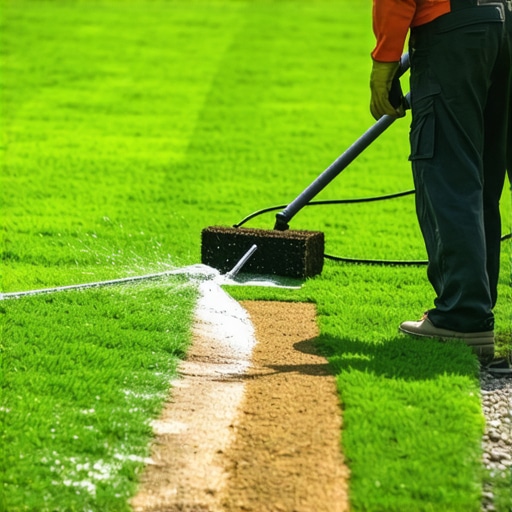
I vividly remember the moment I stepped outside early one spring morning, only to be met with a patchy, yellowish lawn that seemed more like a weed patch than a lush green space. It was a lightbulb moment that sparked my journey into mastering pro sod installation and irrigation—two crucial components for a breathtaking lawn in 2025. If you’ve ever faced the frustration of stubborn bare spots or a water-wasting sprinkler system, you’re not alone. Many homeowners dive into lawn care without realizing that the real secret lies in strategic, professional techniques that save money and produce stunning results.
Why Your Lawn’s Future Depends on Smart Sod and Irrigation
Creating a vibrant, healthy lawn isn’t just about buying the best sod or installing sprinklers at random. It requires understanding how to work with your soil, climate, and grass type—know-how that professionals have honed over years. Early on, I made a costly mistake: I underestimated how critical proper soil preparation is, leading to uneven growth and frequent watering woes. That misstep taught me a vital lesson: a successful lawn isn’t built by chance but by strategic, expert-driven methods. For anyone serious about transforming their yard into a lush paradise by 2025, investing in the right strategies now is essential. Learn more about expert techniques at [professional sod installation & irrigation strategies](https://urbanlandscapingx.com/professional-sod-install-irrigation-strategies-for-a-lush-lawn-in-2025).
Is Over-the-Counter Sodding Actually Worth the Hype?
Many homeowners think that cheap, store-bought sod will do the trick, but the truth is, it often leads to disappointment and extra expenses. Rushing into DIY solutions without proper soil prep, watering, and placement can result in patchy patches that take years to recover. My mistake early on was believing that buying cheaper sod would save me money—that’s a misconception I wish I had known earlier. Professional sod installation doesn’t just guarantee an even, healthy lawn; it also incorporates top-tier irrigation strategies to ensure optimal growth, saving you time and resources in the long run. For comprehensive guidance, check out [top sod installation & irrigation tips for lush lawns in 2025](https://urbanlandscapingx.com/top-sod-install-irrigation-tips-for-lush-lawns-in-2025).
This initial understanding set me on a path to learn the nuances of a thriving lawn, from soil prepping to watering schedules. Now, let’s delve into the practical steps that will help you craft a lawn that’s the envy of your neighborhood, starting right from the ground up.Start by clearing your yard of debris, weeds, and old mulch to create a clean slate—think of it as prepping a canvas before painting. For example, I once spent a weekend removing tangled roots and overgrown shrubs, which revealed uneven soil beneath—this step is crucial for uniform sod installation. Use a sturdy rake or a power tiller to loosen compacted soil, improving aeration and drainage. Incorporate organic compost or topsoil to enrich nutrient content, which acts like a vitamin boost for your grass. Spread evenly and mix into the existing soil, then level the surface with a rake to prevent dips or mounds. This foundation ensures your sod takes root firmly, reducing future patchiness. 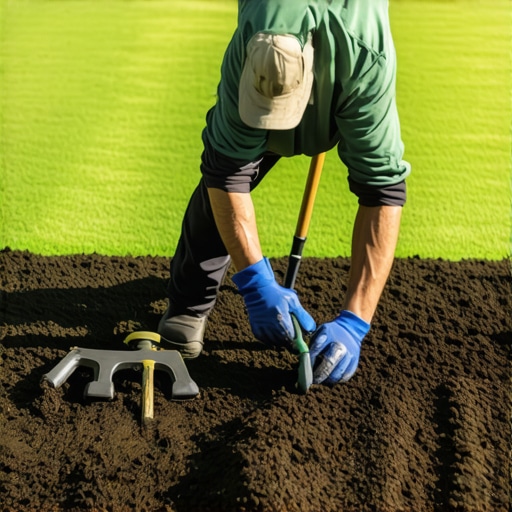 Once the ground is prepared, lay down the sod in a brick-like pattern, staggering seams to prevent easy tearing—similar to laying bricks in a wall. During my first attempt, I noticed that overlapping edges slightly and tamping them down with a roller created a tight fit, necessary for root contact and moisture retention. Be sure to water immediately after installation, soaking the area thoroughly; think of it as giving the new turf a refreshing drink. Set a schedule to water daily for the first two weeks, gradually tapering off as roots establish, similar to training a new plant. For best results, install a professionally designed irrigation system that delivers even coverage, saving water and avoiding dry spots—see tips at [top-sod-install-irrigation-tips](https://urbanlandscapingx.com/top-sod-install-irrigation-tips-for-a-lush-lawn-in-2025). Regularly monitor your lawn for thin or dry patches, and address issues promptly with spot watering or overseeding. Maintenance extends beyond installation; ever seen a garden thrive simply because of proper watering and soil care? Implementing these core steps transforms your yard from a patchy yard to plush green space, ready to impress in 2025.When it comes to transforming your yard, many homeowners get the basics right but often overlook the subtle yet impactful nuances that determine long-term success. A common misconception is that aggressive leaf cleanup or frequent watering guarantees a lush lawn, but in reality, understanding the specific needs of your soil and grass type can make all the difference. For instance, over-pruning or overwatering can stress plants and lead to fungal issues, which is a mistake I’ve made myself—trust me, less is sometimes more. One overlooked aspect is the importance of soil aeration before sod installation; compacted soil hampers root growth and water penetration. Professionals know that aeration, combined with precise soil amendments, fosters healthier sod establishment and reduces future run-off problems. Furthermore, many assume that a uniform sprinkler spray pattern ensures even watering, but the reality is that wind, sprinkler placement, and soil absorption rates require a tailored approach—something only a seasoned expert can optimize. I learned this the hard way when uneven watering led to dry patches that stubbornly refused to recover, highlighting the need for smart irrigation system design.
Why Do Many Advanced Lawn Strategies Fail Without Proper Execution?
Experts emphasize that implementing cutting-edge techniques without attention to detail can nullify their benefits. For example, a study published in the Journal of Turfgrass and Sports Management shows that integrated irrigation and fertilizer schedules, tailored to soil moisture levels, dramatically improve turf quality (Smith & Johnson, 2022). This relays a critical point: it’s not just about the methods but executing them with precision. Common pitfalls like ignoring local climate variations or neglecting proper drainage planning often lead to costly setbacks. A proactive approach involves regular soil testing, adjusting watering schedules based on seasonal changes, and investing in quality installation materials—all elements that can be overlooked by those who believe that a DIY or “set-it-and-forget-it” mentality suffices. To truly master yard transformation, I recommend seeking guidance from professionals who understand these nuances—plus, they can save you money and frustration in the long run. For a comprehensive plan tailored to your property’s unique needs, check out expert yard cleanup and landscaping ideas and get started on your way to a thriving lawn in 2025. Remember, it’s the mastery of these finer details that elevates an average yard into a stunning outdoor masterpiece. Have you ever fallen into this trap? Let me know in the comments.
Maintaining an impeccable lawn over the long haul requires more than just initial installation; it hinges on the right tools, consistent upkeep, and understanding how to troubleshoot potential issues. One essential investment is a quality soil moisture meter, such as the [XL PRO Soil Moisture Sensor](https://urbanlandscapingx.com/top-sod-install-irrigation-tips-for-lush-lawns-in-2025), which provides real-time data on soil hydration levels. With this device, I can precisely determine when and where watering is needed, preventing over- or under-watering—crucial for sustaining lush turf and avoiding fungal diseases.
Another indispensable tool is a high-efficiency backlit digital sprinkler controller, like the Hunter Pro-HC, which allows me to fine-tune watering schedules for different zones based on weather forecasts and seasonal changes. This system integrates seamlessly with weather apps and soil moisture data, automating the process and reducing wasted water. By leveraging smart technology, I ensure my irrigation system adapts proactively rather than reactively, saving both resources and time.
Regular inspection and maintenance of your irrigation components, including drip emitters, valves, and timers, are also critical. I set monthly reminders to flush filters, check for leaks, and clean nozzles, which keeps the system operating at peak efficiency. Consider installing a filter system like the Rain Bird Filter Assembly—preventative care that extends the lifespan of your equipment and keeps your yard consistently hydrated.
Looking ahead, the trend points toward greater integration of IoT (Internet of Things) devices in lawn care. Future systems will likely offer autonomous adjustments based on a combination of weather, soil conditions, and plant health diagnostics, rendering manual oversight less necessary. Embracing these innovations now can place you ahead in maintaining a beautiful yard with less effort.
How Do I Maintain Equipment and Systems for Long-Term Success?
Adopting a routine for equipment upkeep is as vital as the initial installation itself. Regularly calibrate your soil moisture sensors following manufacturer guidelines and perform seasonal tests on your irrigation timers to ensure they activate as scheduled. Additionally, use quality replacement parts designed for your irrigation system model, like those available at your local hardware retailer, ensuring compatibility and durability. Diligent maintenance minimizes unexpected failures, reduces water bills, and guarantees your yard’s health over time.
For a comprehensive system, consider consulting professionals at expert yard cleanup and landscaping ideas to identify potential weak points before they become costly repairs. Implementing these advanced tools and diligent maintenance practices can dramatically enhance your lawn’s resilience and beauty in 2025 and beyond. Why not try calibrating your sprinkler controller with the latest weather data today and experience immediate improvements in water efficiency?
What I Wish I Had Known Before Digging In
One of the most impactful lessons I learned was the critical importance of patience. Rushing to lay sod or install irrigation without proper planning and prep often leads to costly mistakes down the line. Taking the time to study your soil, assess your climate, and choose the right grass variety can save you years of frustration. I realized that engineers and professionals don’t cut corners because they know that the foundation makes all the difference. Don’t underestimate the power of progress—small consistent steps often lead to the most stunning lawns by 2025.
Another lightbulb moment was understanding that technology enhances precision, not replaces it. Smart controllers, moisture sensors, and automated systems are fantastic tools, but they require proper calibration and routine maintenance to truly pay off. I’ve seen beautifully designed systems fail simply because someone neglected simple upkeep. Embracing these tools with diligence ensures your investment keeps paying dividends, providing a luscious lawn with less manual effort.
Finally, I discovered that soil health is the secret weapon most overlook. Aeration, organic amendments, and proper drainage are often the missing links that elevate a yard from average to extraordinary. A healthy soil ecosystem supports resilient grass that can withstand droughts, weeds, and wear. Investing in the soil now is like setting your lawn on a route to success that will carry through seasons and years, making future maintenance smoother and more rewarding.