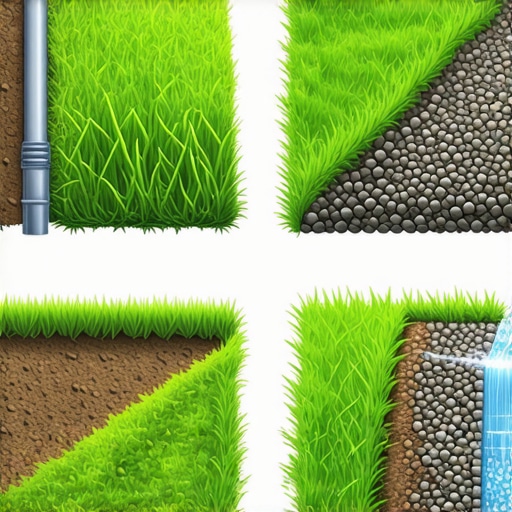
I vividly remember the morning I stepped outside and saw my freshly laid sod, looking more like a soggy sponge than a lush carpet. It was heartbreaking. The recent heavy rains had turned my yard into a mini swamp, and I realized I had overlooked one crucial detail—soil drainage. That lightbulb moment made me dive deep into soil health, and let me tell you, understanding and fixing drainage issues early on can make all the difference in preventing your 2026 sod from rotting.
Why Soil Drainage Can Make or Break Your Lawn’s Future
When it comes to a thriving lawn, good drainage is everything. Poor drainage leads to waterlogged soil, root rot, and ultimately, patchy, dead grass that demands costly replacements. As experts point out, soil that doesn’t drain properly can suffocate roots and foster fungal diseases—two surefire ways to kill your lawn long before its time (source: Urban Landscaping Experts). The good news? With just a few strategic fixes, you can turn this around. Today, I’ll share four proven soil drainage fixes to help you keep your 2026 sod healthy, vibrant, and resilient.
Is Soil Drainage Really That Important? You Bet It Is
Early on, I made the mistake of thinking a good watering routine could compensate for poor soil. Spoiler: it can’t. Overwatering was disguising the issue, making my sod more vulnerable. When I finally checked the soil levels, I realized it was compacted and poorly aerated. Trust me—skipping soil tests and ignoring drainage can sabotage your yard efforts, no matter how good your turf or tools are. Implementing these fixes and routinely monitoring soil health is a game changer. Ready to learn how? Let’s get into the practical fixes that can save your 2026 sod from rotting out.
Start With a Soil Test and Assess Drainage
Before jumping into fixes, perform a soil test to determine its pH and composition. Use a simple soil test kit or hire a professional. Dig small holes in different yard sections to observe how water behaves—does it pool or drain quickly? This practical step revealed to me that my soil was overly compacted, trapping water after storms. Clearing this hurdle early set the stage for effective drainage solutions.
Break Up Compact Soil with Aeration
Over time, soil compacts, reducing pore space essential for drainage. Rent or buy a lawn aerator—preferably a core aerator that removes plugs of soil. For my yard, I aimed for a quick pass over the most compacted areas, creating channels for water to flow. This process mimics opening sluice gates, letting excess water escape instead of pooling. It’s messy, yes, but crucial. After aeration, I filled the plugs with compost, improving soil structure and drainage.
Incorporate Organic Matter and Amend Soil
Adding organic materials like compost or peat moss boosts soil structure. During my project, I spread a generous layer of compost over the affected zones, mixing it into the top few inches. This created a sponge-like effect, absorbing excess water and releasing it slowly. Think of it as upgrading your yard’s plumbing—better pipes handle more water without backups. Use a rake to distribute evenly and watch your yard’s drainage improve over weeks.
Install Drainage Solutions to Redirect Water
If natural fixes aren’t enough, installing physical drainage features becomes necessary. I laid perforated drain pipes—also called French drains—along the problem zones, connecting them to a safe outlet like a storm drain or dry creek bed. These pipes act like sump pumps, guiding water away from your yard. For example, I buried a 4-inch perforated pipe in a gravel trench, covered it with soil, and connected it to a downward slope. This concrete step made a visible difference after the next rain, preventing soggy spots from forming.
Improve Landscape Grading for Better Water Flow
Proper terrain slopes direct water away from your home and into drainage points. I used a level and a string line to identify low spots in my yard. Then, I added soil to create a gentle slope—aiming for at least a 2% pitch away from the foundation. This simple reshaping turned my yard from a basin into a fountain, encouraging water to flow outward naturally. Think of it like a natural river, guiding water where it should go.
Monitor and Maintain Drainage Systems Regularly
Once fixes are in place, consistent care ensures long-term success. After heavy rains, check for pooling or erosion. Keep drain inlets clear of debris, and top up soil around grading as needed. During my seasonal yard cleanups (yard cleanup), I inspect drainage features, making adjustments to preserve flow. Regular observation prevents minor issues from turning into major setbacks for your 2026 sod.
Many homeowners operate under misconceptions that can sabotage their landscaping success. For example, a widespread myth is that simply installing sod guarantees a lush lawn without proper preparation. In reality, neglecting soil testing before sod installation often leads to poor rooting and health issues down the line, as expert landscapers emphasize the importance of analyzing soil quality beforehand (source: Expert SOD & Irrigation Strategies). Additionally, many believe that irrigation systems are set-it-and-forget-it solutions; however, without regular maintenance and adjustments based on seasonal needs, watering can become either ineffective or wasteful. Advanced practitioners recommend using soil moisture sensors and zone tuning to optimize watering schedules, which can significantly reduce water waste and promote healthier grass then you might think. A common oversight during yard cleanup is over-reliance on tools like rakes or leaf blowers, leading to inefficient work and potential turf damage. Switching to professional equipment or learning efficient techniques, as detailed in yard cleanup tips, can save time and preserve your landscape. But what about landscaping design? Many assume that a beautiful yard only requires planting and watering, overlooking the importance of proper grading and drainage solutions. An often-missed aspect is the subtle slope adjustment that directs water away from foundations and prevents soggy spots, which is crucial for long-term lawn health. Making intelligent choices in these areas can be the difference between a thriving landscape and ongoing problems requiring costly fixes. Let’s dig deeper into these nuances to help you avoid costly mistakes. Have you ever fallen into this trap? Let me know in the comments.Maintaining a lush, healthy lawn isn’t just a one-time effort; it requires the right tools, consistent routines, and a forward-thinking approach to keep everything working seamlessly over time. Personally, I swear by equipment that balances durability with precision, such as a high-quality vibration mower for clean cuts that promote healthy grass growth—that’s key for long-term results and reducing disease susceptibility. Coupled with smart irrigation controllers, like those integrating zone tuning, you can adjust watering schedules based on weather patterns—saving water and ensuring your turf isn’t over- or under-watered. In my yard, I use soil moisture sensors that provide real-time data, helping me avoid guesswork and prevent root rot, especially during unpredictable seasons, as recommended in expert soil management strategies. The future of yard maintenance is leaning toward automation and smart technology; expect more integrated systems that monitor multiple parameters simultaneously for even better results.
Throughout my gardening journey, one truism became painfully clear: mastering soil drainage is a game-changer. My initial oversight led to a soggy disaster, but each mistake turned into a valuable lesson, transforming not just my yard but my understanding of lawn health. Embracing these insights now can save your 2026 lawn from similar pitfalls, elevating your landscaping efforts to professional levels.
Lessons That Changed My Yard Forever
- Overcoming Complacency: I used to think heavy rains were unavoidable nuisances, but I learned that proactive drainage fixes can redirect water flow and protect your sod. Recognizing the warning signs early, like pooling water, prevents long-term damage.
- The Power of Small Changes: Such as aerating compacted soil or spreading organic matter—simple actions that significantly improve drainage and root health, especially when done consistently.
- Details Matter: Proper grading and installing discreet drainage pipes can be the difference between a muddy mess and a lush, resilient lawn. It’s these nuanced adjustments that set apart a good yard from a great one.
- Monitoring Regularly: Post-storm inspection and maintenance ensure your drainage solutions stay effective, avoiding future saturation issues before they escalate.
My Go-To Resources for Yard Success
- 6 Yard Cleanup Tactics: These tips have drastically reduced my yard work time while boosting curb appeal by focusing on strategic cleanup and organization, essential for maintaining drainage pathways.
- Expert Sod & Irrigation Strategies: Providing insights into watering practices, ensuring your grass roots develop strong and deep, especially vital during the root establishment phase.
- Pro Tips for Sod Installation: Learning the right soil prep and installation techniques helps your sod root faster, making drainage considerations even more critical for success.
- Fast Rooting Fixes for Brown Sod: These quick interventions can rescue struggling sod, emphasizing the importance of soil quality and drainage from the start.
Step Into Your Yard’s Full Potential
Creating a vibrant, drought-resistant, and healthy lawn by 2026 is within your reach. Implementing top-notch drainage solutions, maintaining attentive monitoring, and leveraging trusted resources can turn your yard into a personal oasis. Remember, the key is in the details and consistent effort—your future self will thank you for the lush reward.
What’s the biggest drainage challenge you’re facing right now? Share your experiences below and let’s grow healthier lawns together!