![6 Pro Fixes for a Muddy 2026 Sod Install [Checklist]](https://urbanlandscapingx.com/wp-content/uploads/2026/02/6-Pro-Fixes-for-a-Muddy-2026-Sod-Install-Checklist.jpeg)
I remember the moment vividly—my freshly laid sod was turning into a muddy mess just two weeks after planting. It was disheartening, frustrating, and honestly, a little embarrassing after all the effort and money I’d invested. That lightbulb moment made me realize: no matter how perfect your sod placement, if you don’t follow essential fixes, your lush new lawn can quickly become a swamp instead of a paradise.
In today’s post, I’ll share the six professional strategies I’ve learned to prevent and fix the common pitfalls that turn a promising sod project into a muddy disaster. Trust me, these aren’t just quick fixes—they’re the proven steps that will save your backyard and your sanity.
Why Neglecting Proper Fixes Can Ruin Your Sod in 2026
Sod installation is a major investment—you’re talking about your yard’s health, curb appeal, and even property value. Yet, many DIYers and even seasoned landscapers overlook key issues like soil preparation, drainage, and irrigation, which can cause your sod to struggle or die after just a few weeks. A study published by the University of Georgia highlights that improper soil preparation and poor drainage are leading causes of sod failure, especially in high-rainfall seasons like 2026.
Think about it: you spend hours laying sod, only to watch it turn brown, patchy, or downright muddy because the root system can’t establish itself. It’s a common mistake that I made early on, and one that cost me dearly. Only after consulting with experts and trying a few tried-and-true fixes did I start seeing my lawn thrive.
If you’ve faced similar woes—soggy patches, poor rooting, or persistent mud—you’re not alone. And this is precisely why understanding and implementing these six pro fixes can make or break your lawn’s success this year.
Now, prepare to dive into the nitty-gritty of what works—and what doesn’t—so your 2026 sod project isn’t just another muddy mess. Ready to transform your yard from a muddy disaster into a lush haven? Let’s get started.
Start with Precision Soil Preparation
Before laying your sod, level the soil meticulously. Use a rake and a leveling tool to create an even surface, and eliminate any large clumps or bumps. I once skipped thorough leveling and ended up with lumpy patches that hindered root growth, prolonging the struggle. For best results, check out these soil leveling fixes which guided me through smooth leveling techniques that ensure uniform contact for roots.
Implement Effective Drainage Solutions
Assess Your Yard’s Drainage
Identify low spots and areas where water pools during rains. This is crucial because standing water can rot roots and cause muddy patches. Think of your yard like a sponge; it needs proper channels to direct excess water away.
Install or Improve Drainage Systems
For stubborn pools, consider laying perforated pipes or trench drains. When I faced persistent puddles after heavy rains, I installed a French drain. It was messy initially, but it transformed my yard into a well-draining oasis. Learn more about drainage fixes at these expert strategies.
Optimize Your Irrigation Strategy
I learned the hard way that overwatering can drown roots and promote muddy patches. Use a smart irrigation timer and calibrate it regularly to match weather conditions. I once set my timer and forgot; a heavy rain made my lawn soggy and muddy. After reading these calibration tips, I adjusted my system, preventing overwatering and encouraging healthy root development. Plus, consider installing soil moisture sensors to water only when necessary.
Prepare for Success with Yard Cleanup
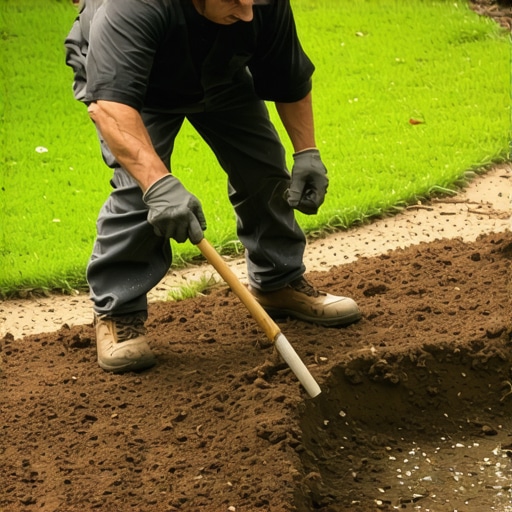
Clear all debris, weeds, and leftover construction materials before installing sod. This creates a clean slate for the roots to penetrate and establish. During my project, I spent a Saturday thoroughly cleaning and leveling the bed, which saved me weeks of troubleshooting mud issues later. For a comprehensive guide, check out yard cleanup tactics that set the stage for healthy sod growth.
While many believe that laying sod is a straightforward process, the reality is far more nuanced. One prevalent misconception is that soil quality isn’t crucial once you’ve selected healthy grass. In truth, even the best sod struggles if the underlying soil isn’t properly prepared [source](https://urbanlandscapingx.com/3-soil-leveling-fixes-to-stop-lumpy-2026-sod-installs). Ignoring soil acidity, compaction, or nutrient levels can lead to patchy growth or disease, which many overlook until it’s too late. Additionally, a frequent mistake is assuming that random watering schedules suffice; in reality, understanding soil moisture dynamics and employing smart irrigation systems drastically improves root establishment [source](https://urbanlandscapingx.com/does-your-2026-smart-irrigation-timer-need-a-calibration). While we often focus on initial setup, a hidden pitfall is neglecting soil testing, which might reveal issues like improper pH or harmful compaction that hinder sod survival. Many also overlook drainage nuances—particularly how subtle grading errors can trap water and cause long-term root rot, despite appearances of healthy grass. It’s tempting to just water more for faster growth; however, overwatering can drown roots, prolong muddy patches, and promote fungal diseases [source](https://urbanlandscapingx.com/why-your-sod-is-patchy-3-rooting-fixes-for-2026). For the advanced gardener, understanding the soil’s microstructure and water flow patterns is essential. This involves checking infiltration rates and considering organic amendments to improve soil porosity. Skipping these detailed assessments may initially seem efficient but ultimately leads to costly setbacks. Remember, a well-prepared soil foundation is the secret to vibrant, lush lawns that withstand weather challenges and foot traffic. Have you ever fallen into this trap? Let me know in the comments and share your experiences with soil and irrigation strategies.Maintaining a lush, healthy lawn requires not just knowledge but also the right equipment and ongoing care routines. One of the most valuable tools I personally recommend is a high-quality soil moisture sensor, such as the AcuRite 00613 Digital Hygrometer & Thermometer, which helps me monitor soil moisture levels accurately. This device allows me to fine-tune my irrigation schedule, ensuring I don’t overwater or underwater, both of which can lead to muddy patches or stressed grass. In the future, smart sprinkler systems integrated with weather data and soil sensors are poised to make lawn care even more efficient, reducing water waste and promoting healthier root systems.
For regular yard upkeep, a good dethatching rake combined with a leaf blower can drastically cut down cleanup time—trust me, these small investments save hours during peak seasons. When it comes to long-term results, investing in a robust aerator, like the Agri-Fab 45-0299 Compact Tow Behind Lawn Aerator, helps alleviate soil compaction that often causes poor drainage and root growth issues. Regular aeration creates space for nutrients and water to penetrate deeper, ensuring your sod remains vibrant and resilient.
Scaling your yard care operations? Consider establishing a seasonal maintenance schedule that includes soil testing, overseeding, and adjusting irrigation zones. Modern software solutions, such as Yardbook or iScape, can help streamline this process, giving you a clear action plan for each part of your property. Remember, consistent maintenance coupled with the right tools ultimately leads to a thriving lawn that can withstand seasonal challenges.
How do I maintain my irrigation system over time? Regularly inspecting and calibrating sprinkler heads, replacing faulty valves, and updating controllers ensure your watering coverage remains uniform and effective. For example, various calibration tips at this resource offer detailed guidance.
To get started, try testing your soil moisture regularly with a digital sensor—this simple step can dramatically improve your watering precision. Keep in mind that as technology advances, incorporating these smart tools into your routine will become essential for lawn success.
The Hidden Traps I Fell Into During My Lawn Journey
One of the most eye-opening lessons I learned was how little some folks realize about soil health. I once thought that nutrient-rich topsoil was enough, but ignoring soil testing led to stubborn patches and poor root development. It was a wake-up call that understanding your yard’s unique soil makeup saves time and money in the long run.
Another surprise was how drainage issues sneak up without obvious signs. I never considered subtle grading flaws, which later caused persistent mud after every rain. Investing in proper drainage solutions turned my soggy nightmare into a well-draining oasis, emphasizing that proactive assessment prevents major headaches later.
And then there’s irrigation—overwatering seemed harmless until I noticed my sod turning brown from root rot. Adjusting my watering schedules with soil moisture sensors made a world of difference. It taught me that smart watering is the backbone of a thriving lawn, especially in unpredictable weather patterns of 2026.
Tools and Resources That Transformed My Lawn Management
One invaluable tool I rely on is the AcuRite 00613 Digital Hygrometer & Thermometer. It provides real-time soil moisture readings, helping me avoid over- or underwatering. This simple device elevated my lawn care routine by giving precise data, making my efforts more effective.
For soil improvement, I turn to organic amendments like compost and aeration equipment such as the Agri-Fab Compact Tow Behind Lawn Aerator. These tools enhance soil porosity and reduce compaction, promoting healthier root systems. They’re trusted because I’ve seen firsthand how they turn a struggling yard into a lush paradise.
Additionally, I keep a close eye on my local weather forecasts and utilize apps like Yardbook to plan watering and yard maintenance tasks. These digital companions simplify complex scheduling and help me respond promptly to changing conditions, ensuring my sod’s success in 2026.
Embrace the Challenge and Grow with Confidence
Your lawn’s future is in your hands, and every mistake is a stepping stone toward mastery. With the right knowledge, tools, and persistence, you can turn your yard into a vibrant, resilient space that defies the common pitfalls of sod installation. Remember, it’s about progress, not perfection—every tweak brings you closer to a picture-perfect lawn.
If my journey has taught me anything, it’s that continuous learning and adaptation are key. So gear up, stay curious, and don’t shy away from trying new solutions. Your dream yard is just a few smart moves away!