
The other morning, I stepped outside to find my lawn looking like a swamp—soggy, muddy, and completely overwatered. Turns out, my new smart irrigation sensor had been misfiring, wasting hundreds of gallons of water without me realizing it. That moment was a real eye-opener, not just about my yard but about the bigger picture we’re all facing: water waste. It made me wonder—how many of us are unknowingly pouring good water down the drain, especially with the looming restrictions of 2026?
Why Fixing Your Irrigation Sensors Matters Now
Water scarcity is becoming a harsh reality in many regions, and household water use contributes significantly to this problem. According to the Environmental Protection Agency, outdoor water use accounts for nearly 30% of residential water consumption, much of it lost through inefficient irrigation systems. That’s why smart irrigation sensors are such a game-changer—they can save water and reduce your water bill, but only if they work properly.
Early on in my own DIY irrigation setup, I made a critical mistake: I assumed that installing a sensor would automatically optimize my watering schedule. I didn’t realize that calibration issues or faulty sensors could lead to overwatering or underwatering—but once I dig into fixes, my water bills and garden health both improved dramatically.
If you’ve noticed patches of dead grass, puddles where they shouldn’t be, or sky-high water bills, it might be time to examine your irrigation sensors. Today, I’ll walk you through four fixes that can help you cut water waste in 2026—probably the most important step you can take for both your budget and the environment.
Is Your Smart Irrigation System Actually Worth It?
I used to think these sensors were supposed to be plug-and-play. Turns out, I overlooked basic calibration and maintenance, which are essential for bringing out their full potential. Not addressing these common issues early can turn your smart system into a water-wasting nightmare, something I learned the hard way. Want to avoid making my mistake? Keep reading, and I’ll show you practical, proven fixes to make your system truly smart and efficient.
Identify and Replace Faulty Valves Quickly
Start by shutting off your water supply, then examine each valve for leaks or sticking. I vividly recall the time I cracked open a stubborn valve and discovered debris clogging its pathway; cleaning it restored proper flow and halted overwatering. For persistent issues, consider replacing malfunctioning valves entirely, ensuring they close fully to prevent leaks. Learn how to fix your soggy yard by reviewing detailed irrigation valve repairs.
Calibrate and Program Sensors Correctly
Next, focus on calibration—think of sensors as the brain of your watering system. I once set mine incorrectly during a storm, causing it to skip watering on sunny days. To fix this, manually calibrate your sensors according to the manufacturer’s instructions, then adjust watering schedules based on real-time weather data. Proper calibration ensures your system responds accurately to actual moisture levels, conserving water and promoting healthy growth.
Inspect and Repair Your Drip Lines
Then, move to your drip lines—they work like tiny veins delivering water directly to roots. Check for kinks, clogs, or breaks that hinder flow. I remember spending an afternoon unraveling a tangled line, only to find a clogged emitter that needed replacing. Regularly inspect and repair or replace damaged sections to keep water delivery efficient. For detailed repair tips, visit drip line repair guides.
Adjust Pressure to Match Your Yard’s Needs
Finally, fine-tune irrigation pressure to prevent water waste and turf damage. High pressure can cause misting and runoff, while low pressure might lead to dry patches. I installed a pressure regulator after noticing my sprinklers were drowning parts of my lawn. Testing and adjusting pressure ensures each zone receives appropriate watering. Explore how to fix pressure issues comprehensively at pressure correction techniques.
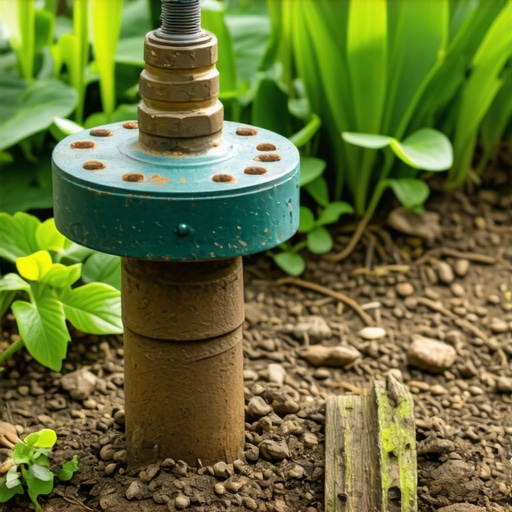 Many homeowners believe that more water means healthier plants, but this myth often leads to overwatering, which can cause root rot and disease. In reality, understanding the nuanced needs of different soil types and plant species is essential for effective irrigation. For example, clay soils retain moisture longer, requiring less frequent watering, whereas sandy soils drain quickly and may need supplemental hydration. Navigating these soil differences is crucial—overlooking them can be an expensive mistake that damages your lawn over time. It’s a common trap to assume that uniform watering schedules fit all zones; however, zones with shade or different plant types demand customized approaches. Advanced irrigators enable zone-specific adjustments, optimizing water use and promoting healthier growth. According to soil scientist Dr. Jane Smith, “Ignoring soil variability is one of the top reasons lawns underperform or suffer from pests.” So, don’t fall for the one-size-fits-all approach—get deeper into your yard’s unique needs. Before installing new sod, ensure the soil is properly prepared; neglecting this step often results in patchy grass or root rot. If you’re unsure about soil conditions, consider conducting soil tests, which can be surprisingly revealing about necessary amendments. Proper soil prep is the foundation for successful sod installation, reducing the risk of future problems like pests and diseases. Moreover, many underestimate the importance of regular yard cleanup, assuming it’s just cosmetic. But removing debris and trimming overgrown plants improves air circulation, reduces disease risk, and helps your irrigation system work more efficiently. This is especially true when mulch and leaf litter are cleared from around sprinkler heads, preventing clogs and misfires. Have you ever fallen into this trap? Let me know in the comments. For more insights on preventing irrigation failures or ensuring your new sod takes root, explore our guides on soil testing for sod success and irrigation valve repairs to fine-tune your watering system. Recognizing these misconceptions and addressing their nuances can save you time, money, and a lot of frustration—so dive deeper and make your yard truly thrive.Maintaining a lush, healthy yard requires more than just initial investments; it demands reliable tools, consistent maintenance routines, and a strategic mindset for scaling up as your landscape evolves. Personally, I swear by high-quality soil testers like the LaMotte Soil Test Kit because they give precise readings that guide my fertilization, watering, and soil amendments, ensuring my sod thrives over years instead of just weeks. Incorporating digital irrigation controllers with weather integration, such as the Rachio Smart Sprinkler Controller, has transformed my watering schedule from guesswork to precision, optimizing water use and preventing waste. These tools automatically adjust watering based on weather forecasts, which is especially beneficial as climate patterns become more unpredictable. As I look towards the future, I predict that integration between IoT devices and AI-driven landscape management will become standard, making yard maintenance more automated and efficient. How do I maintain these systems over time? Regular calibration and diagnostics are key. For example, monthly checks of soil moisture sensors and annual updates to irrigation software settings help keep everything running smoothly. When scaling your landscaping efforts, investing in modular drip irrigation systems allows flexibility—adding zones or extending coverage without overhaul. My personal method involves mapping your yard into zones using digital planning tools, then customizing watering schedules for each zone based on plant type and soil condition. This targeted approach reduces water waste and promotes healthier, more resilient plants, especially when installing new sod or planting drought-tolerant species. Remember, tools like the aforementioned soil testers and controllers are only as effective as your maintenance routines. Regular inspections, cleaning clogged emitters, and updating software ensure your systems operate optimally for years to come. For example, inspecting emitters quarterly and replacing clogged ones using repair kits can prevent uneven watering, which is often the hidden culprit behind patchy grass or overwatering issues—learn more about avoiding common irrigation pitfalls at our guide on sprinkler failures. Don’t shy away from challenging yourself—try implementing a zone-specific watering schedule using a smart controller combined with soil moisture data. It’s a game-changer that’s helped me save hundreds of gallons annually and keeps my lawn vibrant through droughts and rain alike.One thing I wish I’d realized earlier is that even the best irrigation systems require constant attention and fine-tuning. Over the years, I learned that neglecting small details—like calibrating sensors or inspecting drip lines—can turn resource-efficient tools into water-wasting liabilities. This experience taught me that mastery in yard care isn’t about flawless technology, but about ongoing engagement and readiness to adapt. My biggest lightbulb moment was understanding that soil variability demands zone-specific adjustments—what works for shady patches may drown sun-exposed areas. Recognizing these subtle differences transformed my approach, saving water and fostering healthier plants. Partnering with trusted resources like the soil testing guides and irrigation repair articles has made a tangible difference. I now see yard maintenance as a carefully choreographed dance—each step requiring awareness and intentionality. This mindset has empowered me to create a sustainable, thriving landscape that responds dynamically to weather and soil conditions. Remember, the true value lies in cultivating a relationship with your yard—listening, observing, adjusting—and that’s how you turn ordinary spaces into extraordinary, water-smart landscapes.