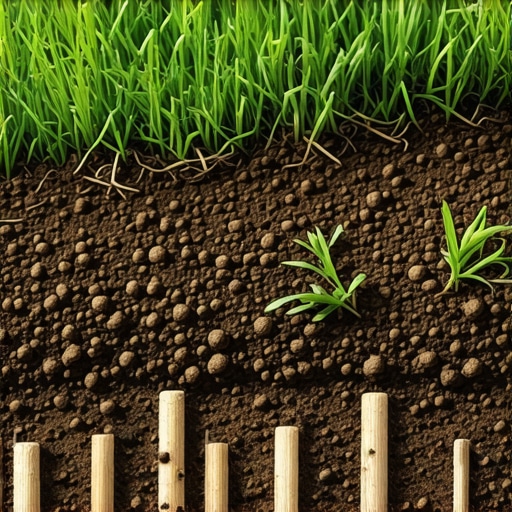
Last spring, I stared in frustration at my freshly laid sod, only to notice small brown patches that stubbornly refused to green up. It hit me—was I overlooking something sneaky, like soil grubs, that was silently destroying my investment? That lightbulb moment made me realize just how crucial it is to check for these tiny pests before they wreak havoc on your new lawn. If you’re planning to install or have recently installed sod for 2026, you might be facing the same concern, and today, I want to help you tackle it head-on.
Why Soil Grubs Could Be Sabotaging Your Lawn’s Future
Soil grubs are often underestimated because they’re tiny and hidden underground. Yet, their damage is unmistakable—patchy, brown spots that grow worse over time. Early detection can mean the difference between a lush, thriving lawn and a costly redo. During my own yard cleanup, I learned that these pests can unduly stress your grass by feeding on roots, especially during hot, dry periods. Regular soil testing isn’t just for agriculture anymore; it’s a smart part of lawn care, especially with new sod that’s vulnerable to these subterranean invaders. In fact, according to the University of California, turfgrass damage from grubs can lead to 15-20% loss in turf quality—an eye-opener that underscored the importance of vigilance.
Is Soil Grub Testing Actually Worth the Hype?
At first, I dismissed soil tests as unnecessary or just another expense. I made the mistake early on of believing my lawn was tough enough to withstand minor pest activity without checking. Turns out, ignoring these signs can cost you dearly. Testing is simple, affordable, and provides concrete evidence of grub presence—allowing for timely treatment. If you ignore early signs, you risk infestations that can severely damage your sod, forcing you into costly repairs. Want to know how to detect soil grubs effectively? This guide on soil drainage and pest management offers practical tips to keep your soil healthy and your lawn thriving.
By understanding the importance of soil grub detection early on, you’re setting the stage for a healthier, more resilient lawn. Ready to get your hands dirty and learn how to test your soil? Let’s dive into the four simple soil grub tests that will keep your lawn in top shape for 2026 and beyond.
Prepare Your Tools for Soil Testing
Gather a shovel, a bucket, and a handful of soil sample containers. Clean equipment prevents cross-contamination, ensuring accurate results. I once spent a morning digging several soil piles in different yard zones, realizing that consistent tools help compare results and spot areas with pests more effectively.
Perform the Baermann Funnel Technique for Grub Detection
Take a soil sample about a quart in size from your watering zone. Fill a bucket with water and gently suspend the soil in a fine cloth or mesh. Let it sit for 24 hours. The grubs will naturally crawl out and float to the surface, making them visible. During my first test, I was surprised by the number of tiny, wriggling worms surfacing—it was a mess, but it confirmed the presence of pests needing attention.
Interpret the Results and Decide Next Steps
If you spot multiple grubs—say, more than five in a soil sample—it’s a sign infestation. Consider treatment options like beneficial nematodes or targeted insecticides. I used organic nematodes on my lawn, and within a week, I saw a dramatic decrease in grub activity. Regular testing keeps pest activity in check, preventing damage before it spreads. For more detailed methods, check out this soil pest detection guide: 4 soil drainage fixes.
Use the Paper Towels Method for Quick Monitoring
Moisten a few paper towels with water and sprinkle a thin layer of soil onto each. Cover with another damp towel and place in a warm, dark spot for 24-48 hours. Grubs and other pests will crawl out onto the towels, making them easy to spot without digging. I found this method particularly useful for quick checks in dry seasons when underground pests might be hiding deeper.
Supplement with Soil pH and Texture Checks
Healthy soil promotes natural pest resistance. Use inexpensive test kits to measure pH; ideal turf soil ranges from 6.0 to 7.0. Also, examine soil texture—clay-heavy soil can retain excess water, creating an ideal environment for grubs. I discovered my yard had dense clay, prompting me to improve drainage and reduce pest attraction. For comprehensive soil health, see yard cleanup tactics that include proactive soil management.
Schedule Regular Monitoring to Protect Your Lawn
Set a calendar reminder to perform these tests every 4-6 weeks, especially during peak grub activity seasons—late spring and early fall. Consistent surveillance prevents infestation buildup and saves time and money on repairs later. I dedicated a Saturday morning each month to soil testing, which became a quick, routine part of lawn care, leaving me confident in my soil’s health.
Many homeowners assume they can follow generic advice to achieve a lush, healthy lawn, but in my experience, this often leads to costly mistakes and missed opportunities for true excellence. One widespread misconception is that more irrigation always results in a greener lawn; however, overwatering can cause root rot and promote pest infestations, especially soil grubs, which I detailed earlier. Effective irrigation isn’t about volume but about smart timing and zone control, which is supported by research from the University of California, emphasizing water efficiency and plant health in tandem.
Why do most people overlook soil drainage and soil compaction when installing sod?
Instead of considering these critical factors, many skip directly to laying sod, expecting instant results. In reality, improper soil preparation—such as neglecting drainage issues or compaction—can trap moisture and create anaerobic conditions detrimental to root development, leading to patchy death or slow growth. It’s a trap I fell into early on; for better results, I recommend thorough soil testing and amendments before sod installation, and you can learn more about this process in the detailed sod installation checklist, which also covers irrigation considerations.
Maintaining a lush, healthy yard over the long term requires more than just effort; it demands the right tools and a disciplined approach. Personally, I’ve found that investing in quality equipment and embracing automation has transformed my landscape management, saving me time and ensuring optimal results. In this article, I’ll share the specific tools I rely on daily and discuss how they help keep my yard in top shape. Whether you’re scaling up your landscaping efforts or just aiming for a more efficient routine, these recommendations will guide you toward a sustainable yard care strategy.
Why a Digital Soil Moisture Sensor is a Game-Changer
One of the most underrated tools in my arsenal is the digital soil moisture sensor. Unlike traditional manual testing, these sensors provide real-time, accurate data on soil hydration levels, allowing me to irrigate precisely when needed. This helps prevent overwatering—saving water and reducing my water bill—and promotes healthier root growth. I personally prefer models with app integration; they sync wirelessly, send alerts when moisture dips below optimal levels, and store historical data for trend analysis. Over time, I’ve noticed a significant improvement in my lawn’s resilience, especially during dry spells.
Powerful Leak Detectors for Irrigation System Integrity
To keep my irrigation system running efficiently, I utilize high-quality leak detection gadgets, such as electronic sound detectors and ultrasonic locators. Early detection of leaks prevents water waste and avoids watering zones that are no longer functional. I recommend choosing devices that can pinpoint leaks down to a few inches, enabling swift repairs. For a detailed approach on how to inspect your irrigation setup, you can refer to this guide on leak detection tricks. Regular checks with these tools have helped me avoid costly issues and maintain consistent moisture distribution across my yard.
Automated Controllers with Smart Scheduling
Manual watering is a thing of the past for me, thanks to smart irrigation controllers. These devices learn your yard’s needs, adapt to weather forecasts, and adjust watering schedules automatically. I use programs that can be integrated with weather APIs, so my system reduces watering during rain or adjusts cycle durations based on soil moisture levels. This not only conserves water but also ensures my grass receives consistent hydration, promoting sturdy growth. As technology evolves, I predict these systems will become even more sophisticated, incorporating AI to optimize water use on a granular level—an exciting prospect for future landscaping.
How do I maintain yard tools and systems over time?
Proper maintenance extends the life of your equipment and keeps your yard healthy. Regularly inspecting and cleaning your tools, such as pruning shears, sprayers, and hoses, prevents breakdowns and ensures effective performance. Lubricate moving parts quarterly, store tools in a dry, sheltered area, and replace worn components promptly. For irrigation systems, seasonal flushing of lines and replacing worn-out emitters can prevent clogs and uneven watering. According to professional landscapers, consistent upkeep of your tools and systems is pivotal to long-term yard success. For advanced maintenance routines, check out these expert tips on irrigation upkeep.
Prediction for Future Yard Maintenance
As technology continues to evolve, I foresee smart systems integrating AI-driven analytics, predictive maintenance alerts, and even robotic mowing and trimming. These innovations will make yard care more efficient, reduce water and resource waste, and allow homeowners to enjoy their outdoor spaces with less effort. Staying ahead involves embracing these tools now—consider upgrading your system to include remote monitoring or sensor-based irrigation control.
Ready to elevate your yard care? I recommend starting with a high-quality soil moisture sensor and a smart controller. These tools solidify your maintenance routine and set your yard up for ongoing success. For a comprehensive overview of efficient irrigation strategies, visit this guide on irrigation system design. Incorporate these tools, and you’ll be amazed at how much easier and more effective your yard maintenance becomes.
What Surprised Me Most About Soil and Pest Control
The biggest lightbulb moment came when I realized that ignoring tiny subterranean pests like soil grubs could undo months of hard work on my lawn. I used to think soil was just dirt, but now I see it as a living ecosystem that demands attention and care. Overlooking soil health and pest activity almost cost me my investment in sod—an experience that taught me to inspect and test regularly, rather than assuming everything’s fine until signs of damage appear.
How Personal Experience Changed My Approach to Yard Maintenance
Initially, I believed that cheap solutions were enough to combat pests and maintain lush grass. That mindset led to wasted money and time. It wasn’t until I invested in proper soil testing and learned effective tools like beneficial nematodes that I saw real results. This change in approach made me realize that patience, education, and quality resources are vital—factors that no quick fix can supply.
Why Overcoming the Fear of Complex Tests Made All the Difference
I used to shy away from soil testing, thinking it was complicated or unnecessary. But once I embraced the simple methods like the Baermann funnel technique, I gained invaluable insights into what my yard actually needed. Testing demystifies soil issues, enabling targeted treatments that are more effective and eco-friendly. The confidence I gained from understanding my lawn’s specific needs elevated my yard care to a whole new level.
Resources That Helped Shape My Lawn Success
Some tools and guides truly transformed my approach. The soil moisture sensors I trust provide real-time data, allowing me to water smarter rather than just more. The leak detection gadgets saved my irrigation system from costly leaks, ensuring consistent watering. And the comprehensive [irrigation system design guide](https://urbanlandscapingx.com/effective-irrigation-system-design-for-a-lush-lawn-in-2025) became my go-to resource for creating an efficient watering routine. Investing in these tools proved invaluable for a thriving lawn.
My Call for Action You Don’t Want to Miss
Don’t let common mistakes sabotage your yard’s potential. Embrace soil testing, invest in quality tools, and stay vigilant with regular maintenance. Remember, a healthy lawn isn’t just about aesthetics but about understanding and nurturing your soil ecosystem. Start today—your future self will thank you for the lush, resilient yard that’s waiting to thrive.
Reading through this post really opened my eyes about the importance of soil health, especially with regard to pests like soil grubs that can silently sabotage a new lawn. I had a similar experience last year when I noticed some irregular patches on my recently installed sod, and I honestly didn’t think much of it initially. It was only after testing the soil that I discovered a grub infestation that was damaging the roots. Since then, I’ve made it a routine to perform soil testing and use simple detection methods like the paper towels technique to keep pests in check.
What I find particularly interesting is how accessible these tests are and how they can save homeowners from costly repairs down the line. Have others found organic methods like beneficial nematodes to be effective, or do you prefer chemical solutions for quick results? I’d love to hear about different approaches and what’s worked best for different soil types.